Eng
The story of Instituto C begins before its official founding, in a restlessness that accompanied Vera Oliveira in her daily work. With a degree in Public Relations, within Social Communication, she spent five years in market research, helping brands plan the launch of new products — for example, estimating how many units a new version of mayonnaise would sell in its first year.
The work had method, logic and process, and Vera liked the company and the people. Even so, something didn’t fit. “I’d go to work asking myself: ‘What am I doing with my life?’” she recalls. “Deep down, I thought: maybe the world doesn’t need another soda flavor or laundry detergent.”
Volunteering had been part of her life since adolescence, through campaigns, charity competitions, food basket drives and church-related activities. Her view of the third sector, however, was limited: she saw NGOs as small, charity-based initiatives, with no room for careers, methodology, management or expansion. She would tell her friends that one day she would have a great idea and start a social business.
-
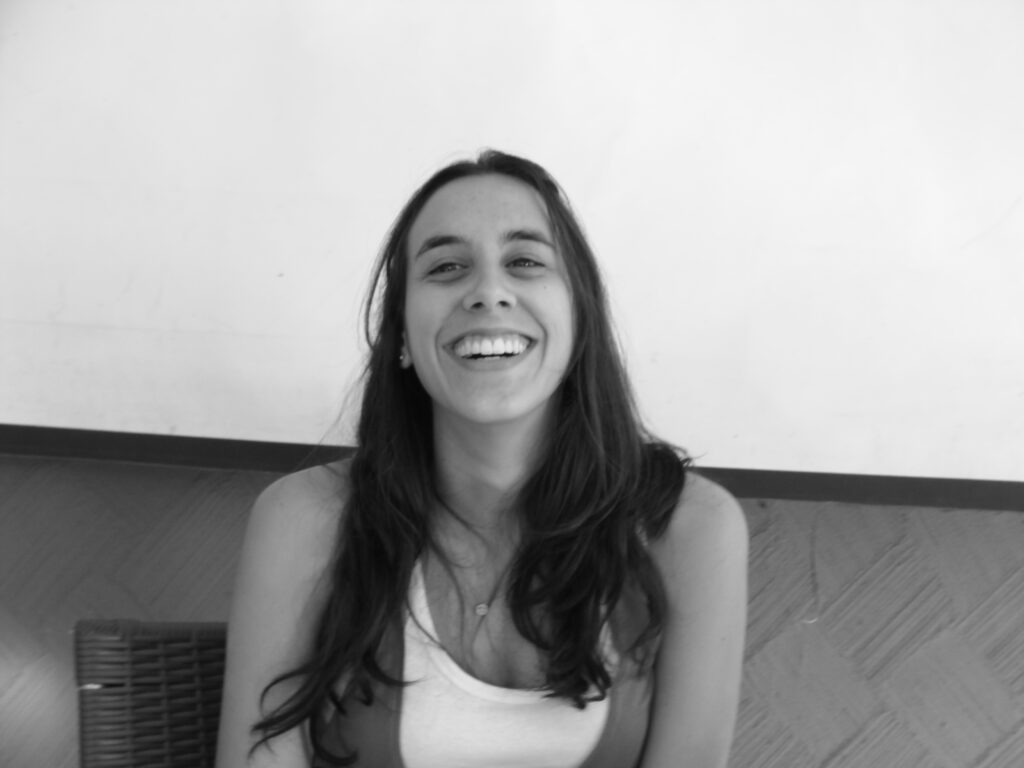
- Vera Oliveira, em 2010
Meeting Saúde Criança
It was in this context that Maristela Correa, a friend of Vera’s who was then working in advertising, introduced her to another Vera, Dr. Vera Cordeiro, founder of Saúde Criança (now Instituto Dara), in Rio de Janeiro. The organization already operated in several cities across the country, but not in São Paulo, focusing on supporting families with children in vulnerable situations and with health issues.
What caught Vera’s attention most about Saúde Criança was its multidisciplinary view of poverty. They understood that a child’s illness was often also related to social conditions: lack of income, inadequate housing, food insecurity, difficulty accessing rights and weakened family bonds. “And all of that made a lot of sense to me,” she says.
So she took a day off and went to Rio to see the project. As soon as she arrived, Dr. Vera Cordeiro introduced her to the team as the founder of Saúde Criança São Paulo. “I was completely speechless. I said: ‘No, Dr. Vera, I think you’re mistaken. I just came to visit.’”
The introduction was repeated throughout the day. Vera Cordeiro called on families to tell their stories and showed the services, areas and methodology. In the afternoon, she gathered the heads of different departments to explain what would be needed to open a social franchise, such as a board, a partnership with a public hospital, a minimum structure and a support network. “I thought: ‘She really didn’t understand. Tomorrow I’m going back to my job!’”
Vera returned to São Paulo with a pile of manuals and materials, wondering whether it would all just become more paper stored away in her bedroom.
The decision
The next day, Vera’s boss called to tell her that he had resigned and was leaving the company. Facing the prospect of starting a relationship with a new leader and explaining, once again, that she dreamed of a different path, she answered without planning to: “Me too!” He wanted to know whether she was going to another research institute or was going to pursue her dream. “I’m going to pursue my dream,” she said.
Right then, she wrote to Dr. Vera Cordeiro accepting the challenge of starting the project in São Paulo and called Maristela, the friend who had introduced them. At the end of the day, the two talked and agreed to work together on a minimum structure. The agency would look for clients to raise funds for the Rio organization and would take the opportunity to ask for support for São Paulo as well.
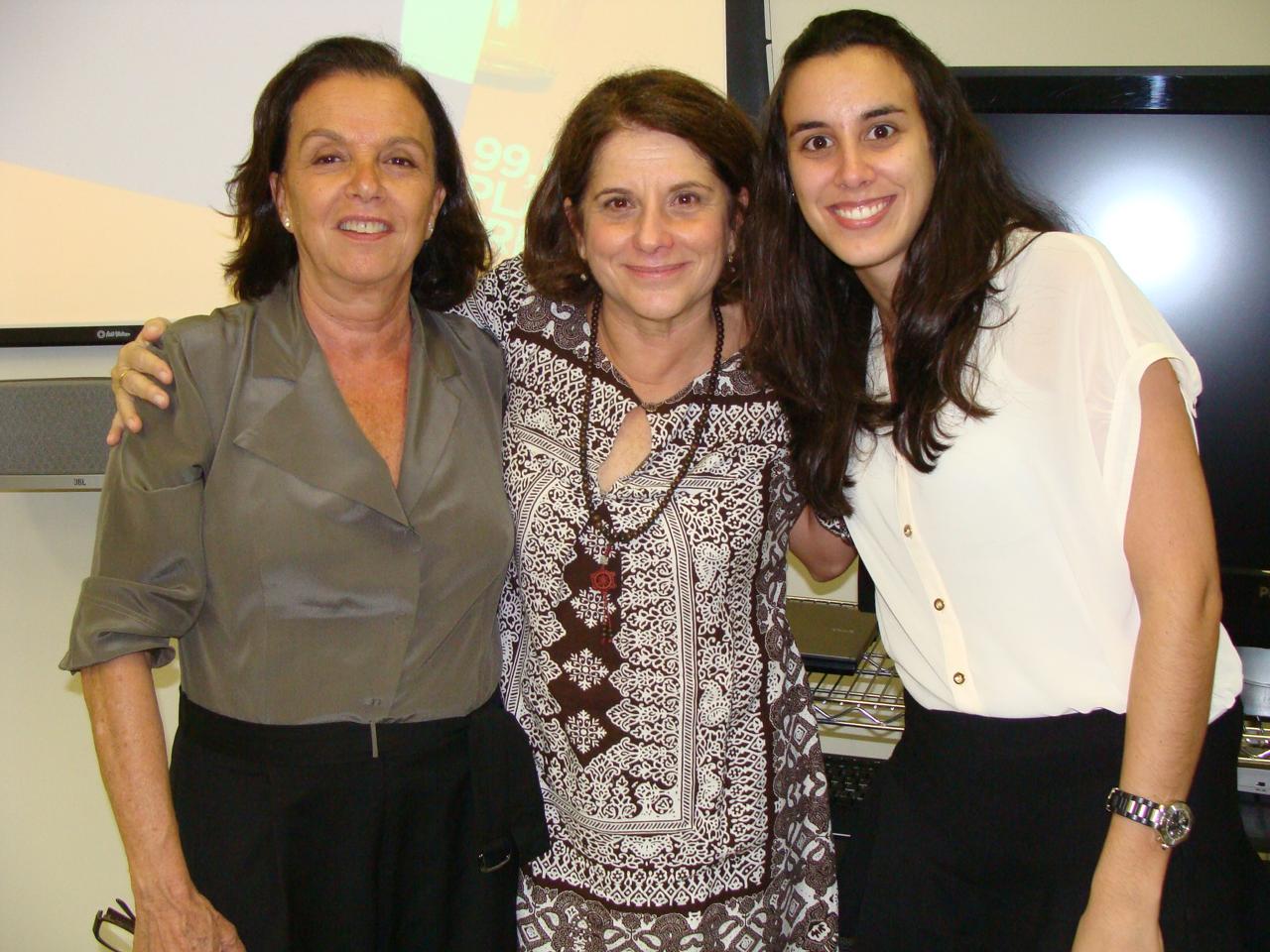
From left to right: Maristela Correa, Dr. Vera Cordeiro and Vera Oliveira
With the support of a pro bono consultancy, the initial plan was born, based on the Rio methodology: serving 50 families by the end of the first year, with five new families joining each month. For that, they would need a social worker, a space, resources to support the families and a partnership with a public hospital responsible for referrals.
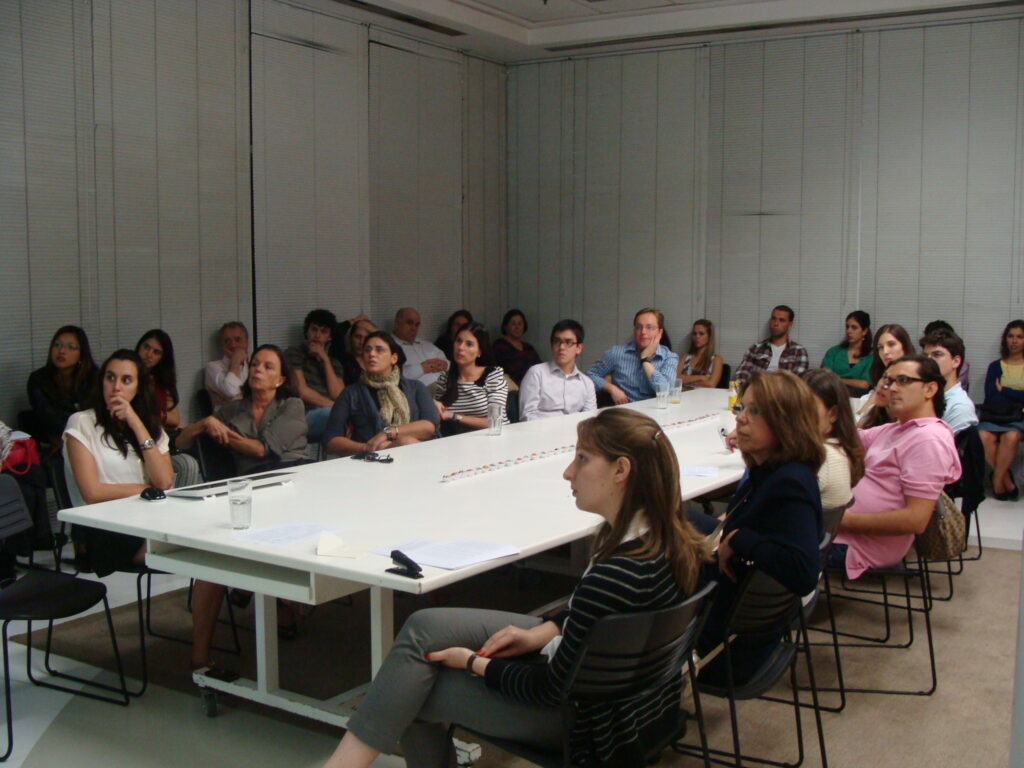
The partnership with Santa Casa and the founding
The next step was to seek a partnership with Santa Casa, one of the most challenging stages at the start. “I was a young woman of 24, 25, with no contacts at any hospital, trying to open doors,” Vera recalls. The process went through the pediatrics department, the ethics committee and the hospital’s board, with great care regarding the use of Santa Casa’s name as an NGO partner. After six months, the answer was yes.
Our founding assembly took place in a space lent by the agency, attended by Dr. Vera, who came from Rio, and by around 40 to 50 people, including friends, family and those close to us.
-
- Assembleia de fundação, em 12 de outubro de 2011
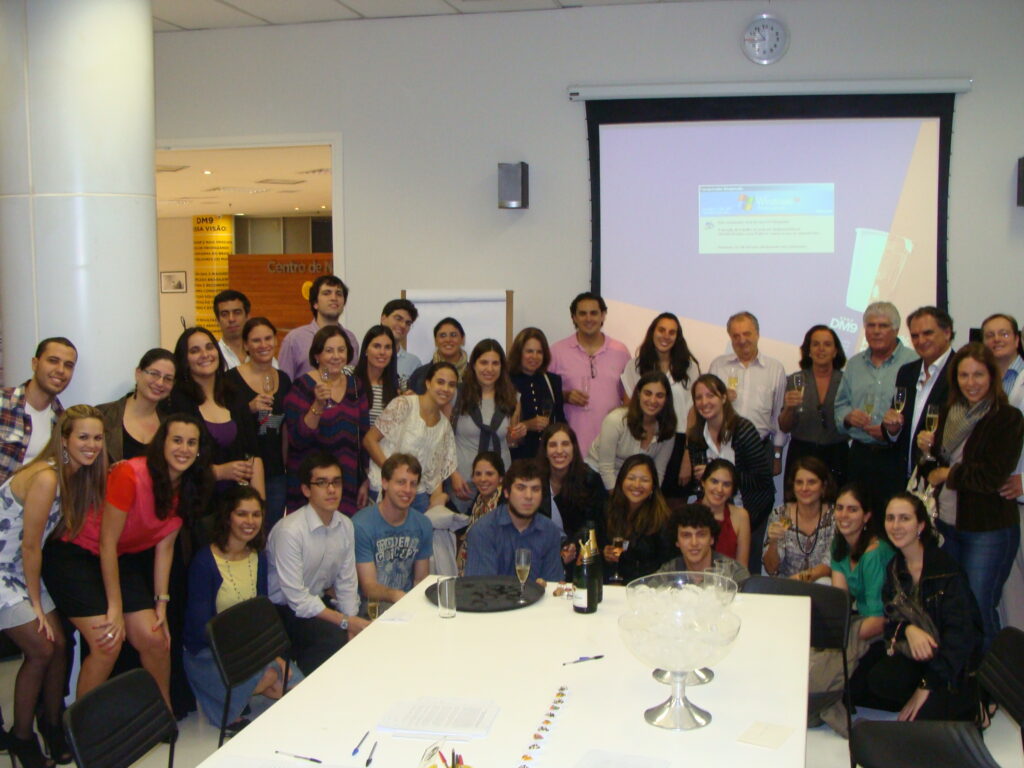
That is how Saúde Criança São Paulo was born, on October 12, 2011, in partnership with Santa Casa. That day, Dr. Vera told the story of the organization in Rio, and Vera Oliveira shared her dream and her hope of building in São Paulo work capable of transforming families’ lives.
Activities began the following year, serving families with children with chronic or serious illnesses referred by public hospitals in São Paulo. The foundation of the work was the Family Action Plan (PAF), a social technology developed by Saúde Criança.
The first resources
After the founding, they needed to rent a space, hire a social worker, buy items for the families and structure the services, all with no money in the bank. Saúde Criança offered initial support for six months, which was important but not enough for everything that needed to be done. “That’s when I began to understand, in practice, what fundraising meant.”
Vera registered the Institute with an organization that connected philanthropic families with social projects, without much expectation. A few weeks later, she learned that the Jereissati family was interested in the proposal. The first conversation brought a surprise: the family wanted to support the initiative financially. “It was a turning point.”
At that point, the organization didn’t even have a bank account. While renting its first house, in the Santa Cecília area, near Santa Casa, Vera sent emails to friends asking for help with the renovation and tried to open an account.
-
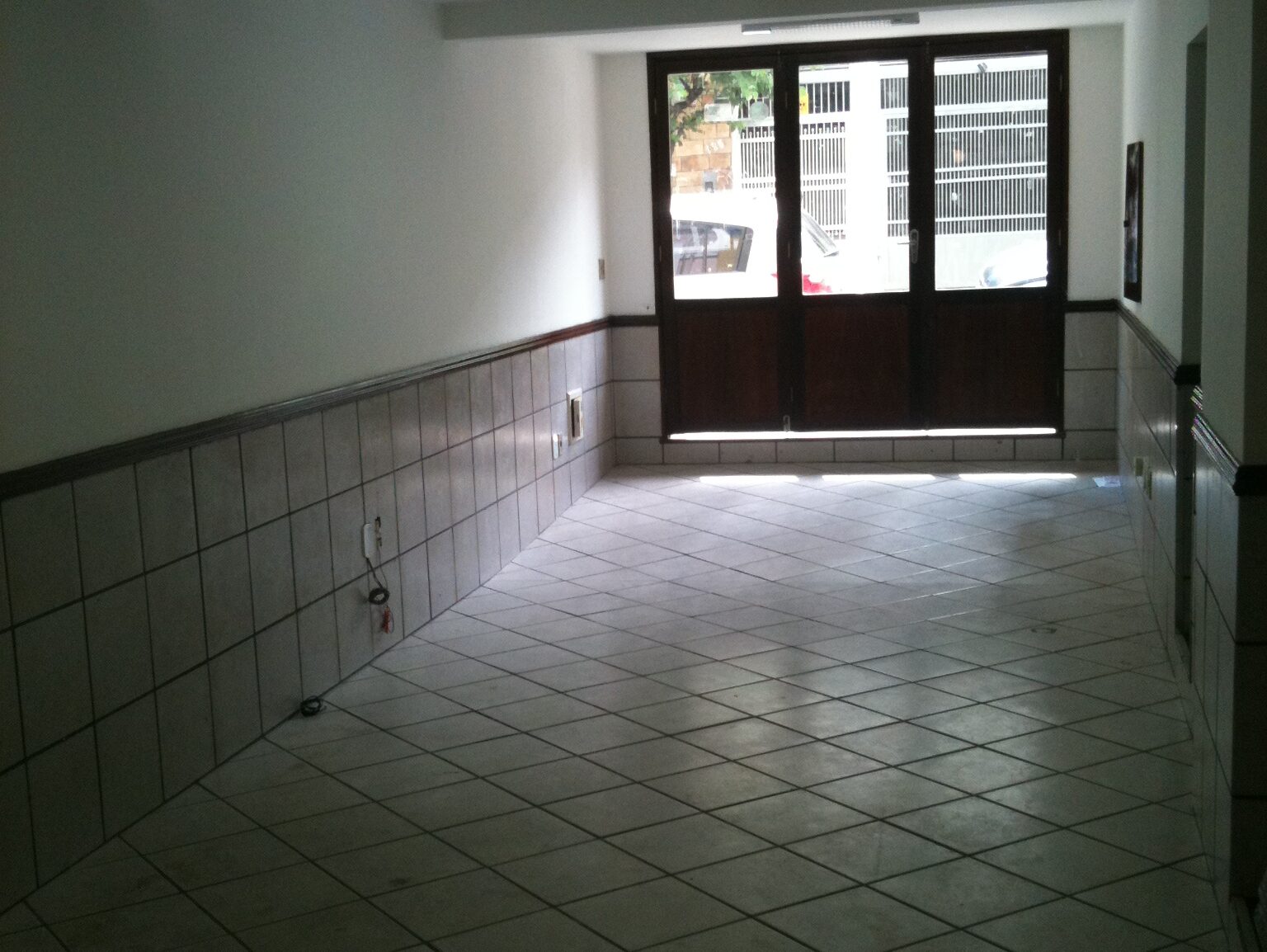
- Primeira sede, antes e depois da reforma
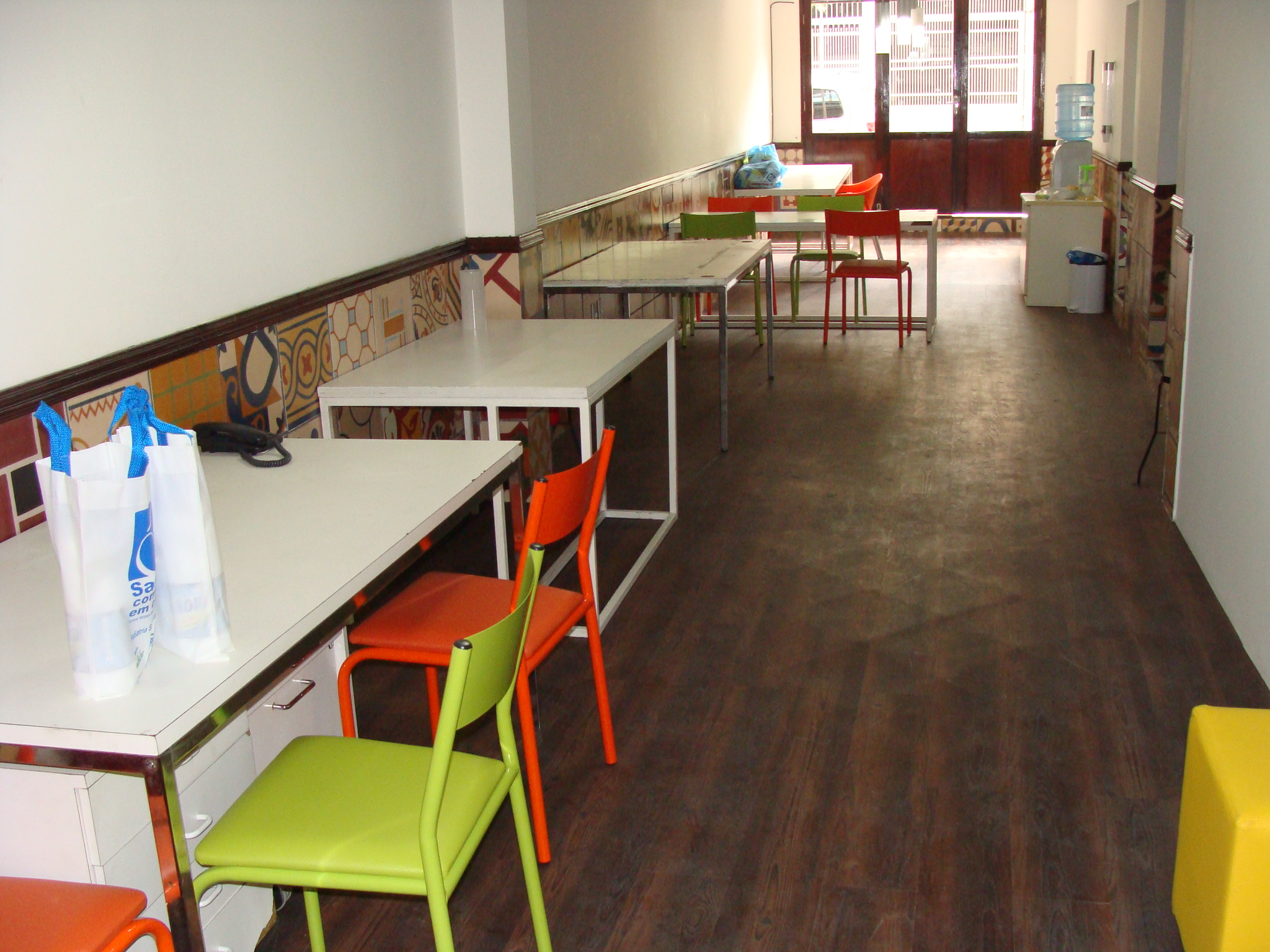
For a newly created organization, it was an enormous challenge: banks asked for a donor history that did not yet exist, and without an account it was impossible to receive donations. Little by little, everything fell into place, and that first donor family still supports Instituto C to this day.
I’m fully aware that none of this would exist without a few pillars: the methodology brought by Dr. Vera, this family’s support at the beginning and all the people who have passed through the institute and helped build our way of doing things,” says Vera.
Growth and adapting to the territory
In its very first year, the São Paulo unit became Saúde Criança’s largest franchise. The network brought together units from different cities in twice-yearly meetings to exchange experiences and lessons, and through this interaction São Paulo’s particular characteristics became increasingly clear.
-
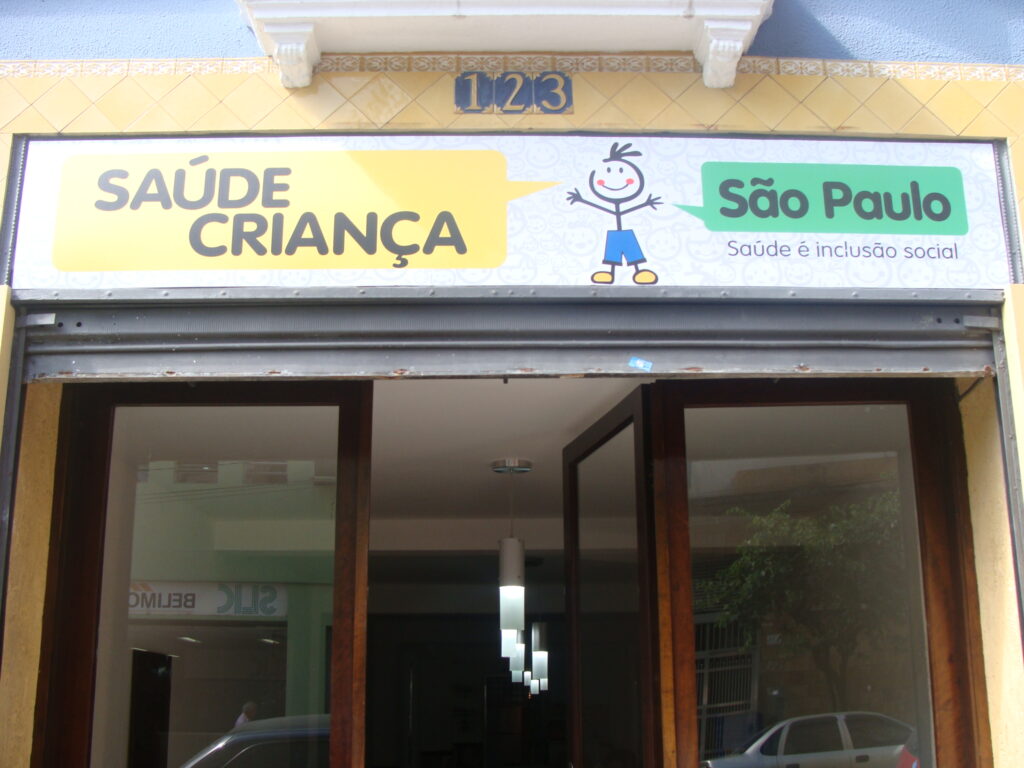
- Sede do Saúde Criança São Paulo, na Santa Cecília
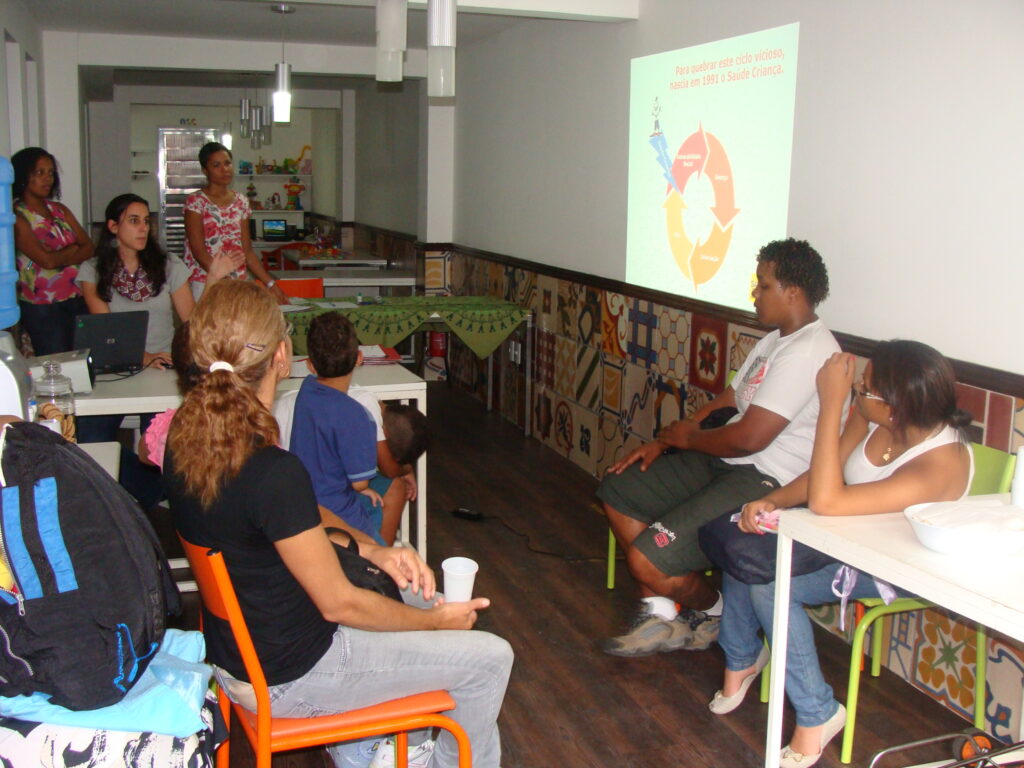
The methodology was gradually adapted to the reality of the city’s public policies. The team understood that the best path was to build more comprehensive solutions for families together with public policies, coordinating with the government and other organizations in the social assistance network. The approach to productive inclusion also changed: before offering vocational courses, it became essential to understand each family’s financial reality, such as how much they earn, how much they spend, and what their possibilities, challenges and aspirations are.
This phase also saw the first projects beyond the PAF. In 2014, Atelier C was created, focused on income generation for the mothers served, with training in sewing and crafts, product creation and sales at bazaars. That same year, the PAF gained a service station dedicated to early childhood, to prevent risks to children’s development.
From Saúde Criança São Paulo to Instituto C
For this new phase, the board began to include people with more experience in the third sector, fundraising and strategic planning. From these conversations, the need to discuss the social franchise model and the best path for the future became clear.
In 2016, a reflection process with the network put three options on the table: keeping the format while reviewing governance; breaking away completely; or continuing with the methodology under a new brand, with the autonomy to develop other projects and expand according to the local reality. The third path was chosen.
“We didn’t want to break with our history,” Vera explains. The intention was to honor what had been learned with Saúde Criança while recognizing that the work in São Paulo had gained new audiences, new fronts and a methodology with its own contours.
-
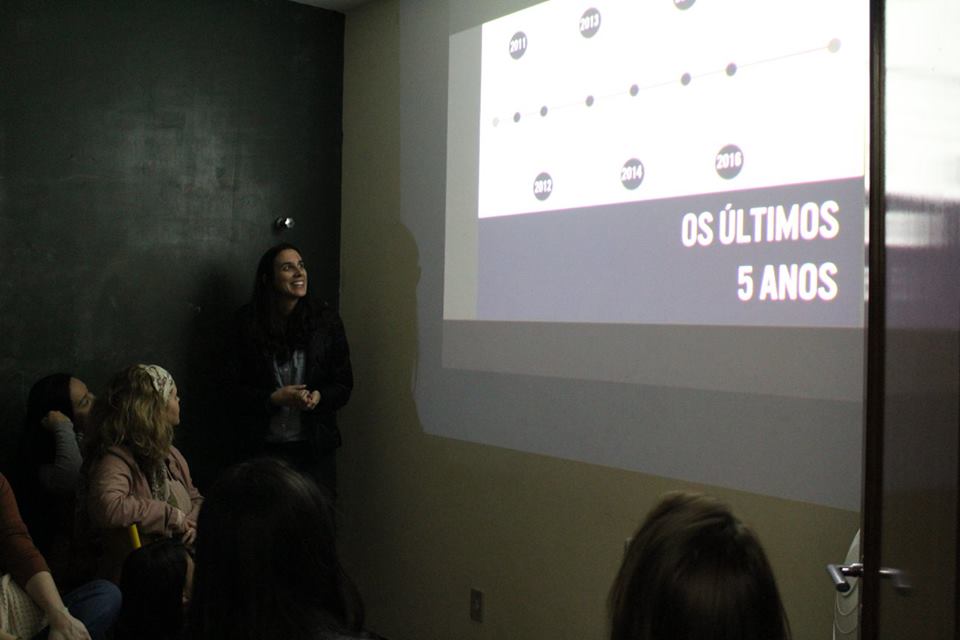
- Lançamento do Instituto C
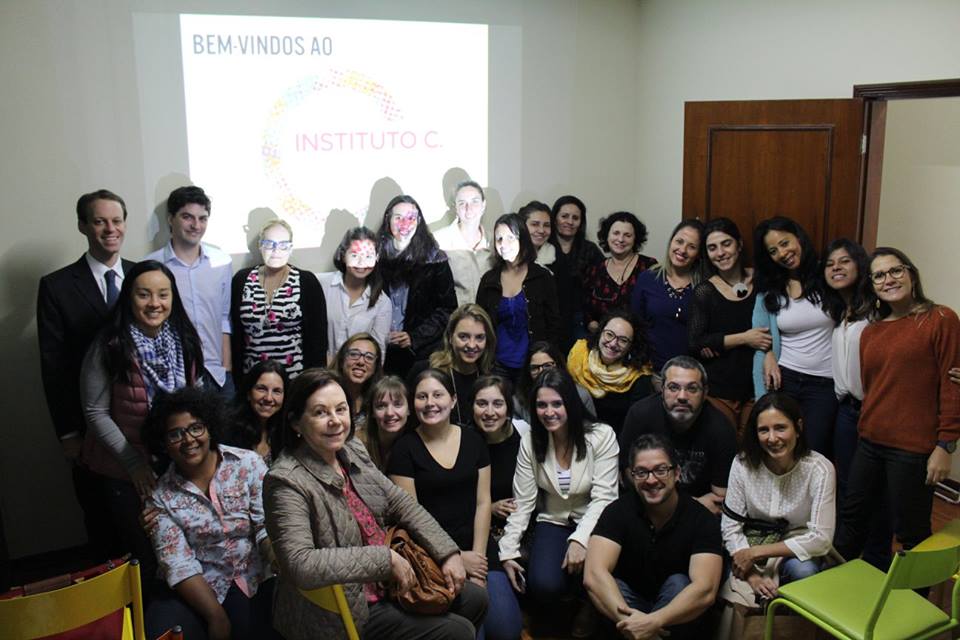
The transition was carried out carefully and built collectively, through conversations with Dr. Vera, the board, the team and volunteers. Deadlines, governance changes and updates to systems, website, logo and communications were defined. On October 12, 2016, exactly five years after its founding, the organization was renamed Instituto C.
The name was also born with the team. Among the ideas were Instituto Criança (Child), Instituto Cuidado (Care) and Instituto Coração (Heart). At one point, only the letter C remained, and from it came the whole concept: Criança, Cuidado, Cidadão (Child, Care, Citizen). A place that, through care, guarantees children their rights as citizens. The new brand represented an institutional turning point, from which the institute began to look at its methodology, identity and future with greater autonomy. With the new identity, the scope of its work expanded: the institute began serving families with children at social risk, no longer limiting its services to health issues.
A new headquarters
In 2017, the house on Rua Fortunato could no longer accommodate the work. The organization, which first rented only the ground floor and later the upper floor as well, faced overcrowding on service days and flooding in the toy library on rainy days. There was also a growing sense of vulnerability, as it was a street-front house with an open door and little security for the team and the families.
The search for a new space had one premise: everything on a single floor, to help bring the team together during a period of many changes. Properties like this, however, were expensive and in high demand from stores, supermarkets and large companies.
One Monday, the team arrived to find the house had been robbed. All the computers were taken. The server was disconnected but left behind; had it been taken, much of the organization’s history would have been lost.
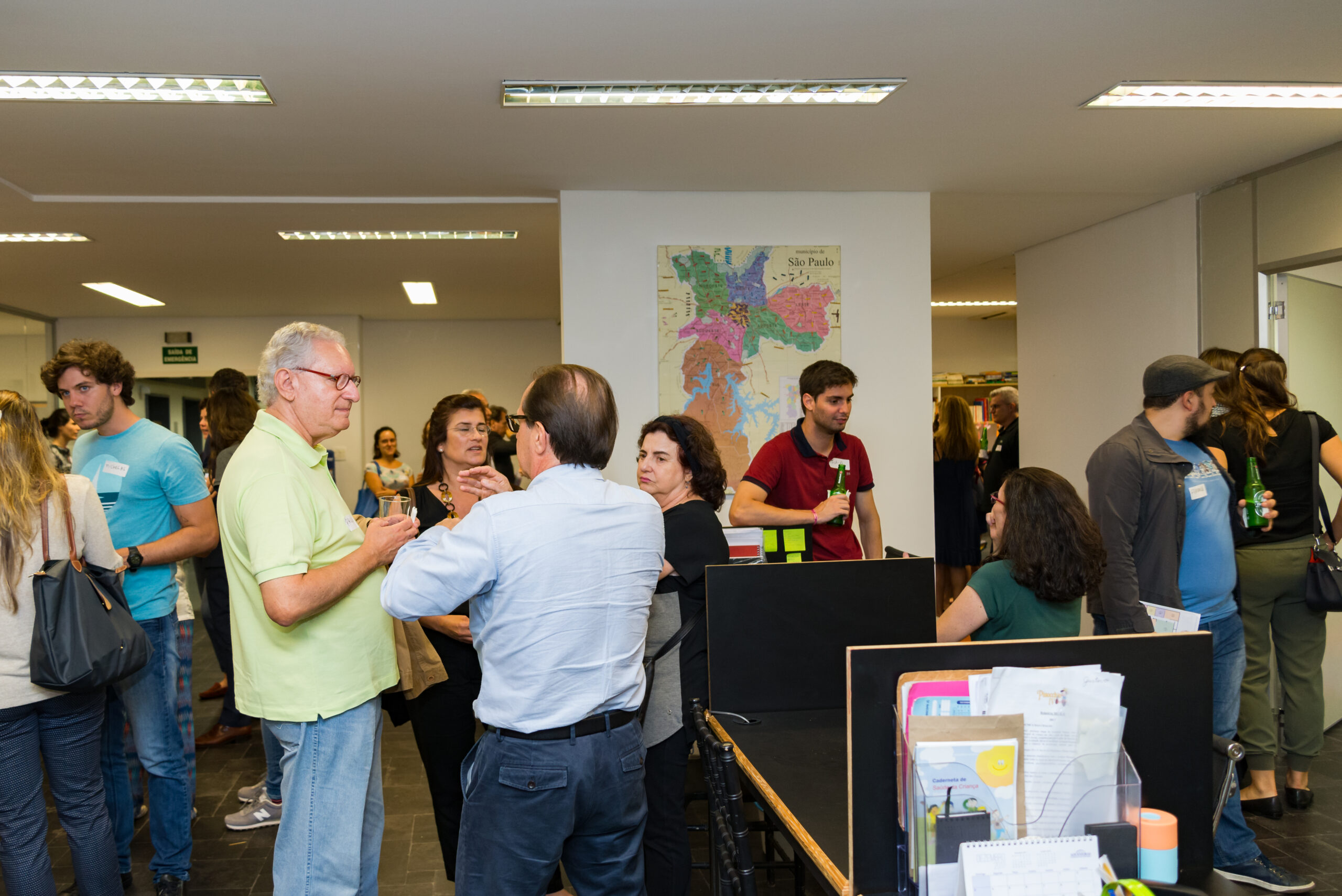
That day, the decision was made: it was time to move to a commercial building. The team knew the move could create an initial barrier for families, but understood that everyone’s safety came first and that closeness could be built through communication, welcoming and bonds. That is how Instituto C arrived at its current headquarters in the city center.
-
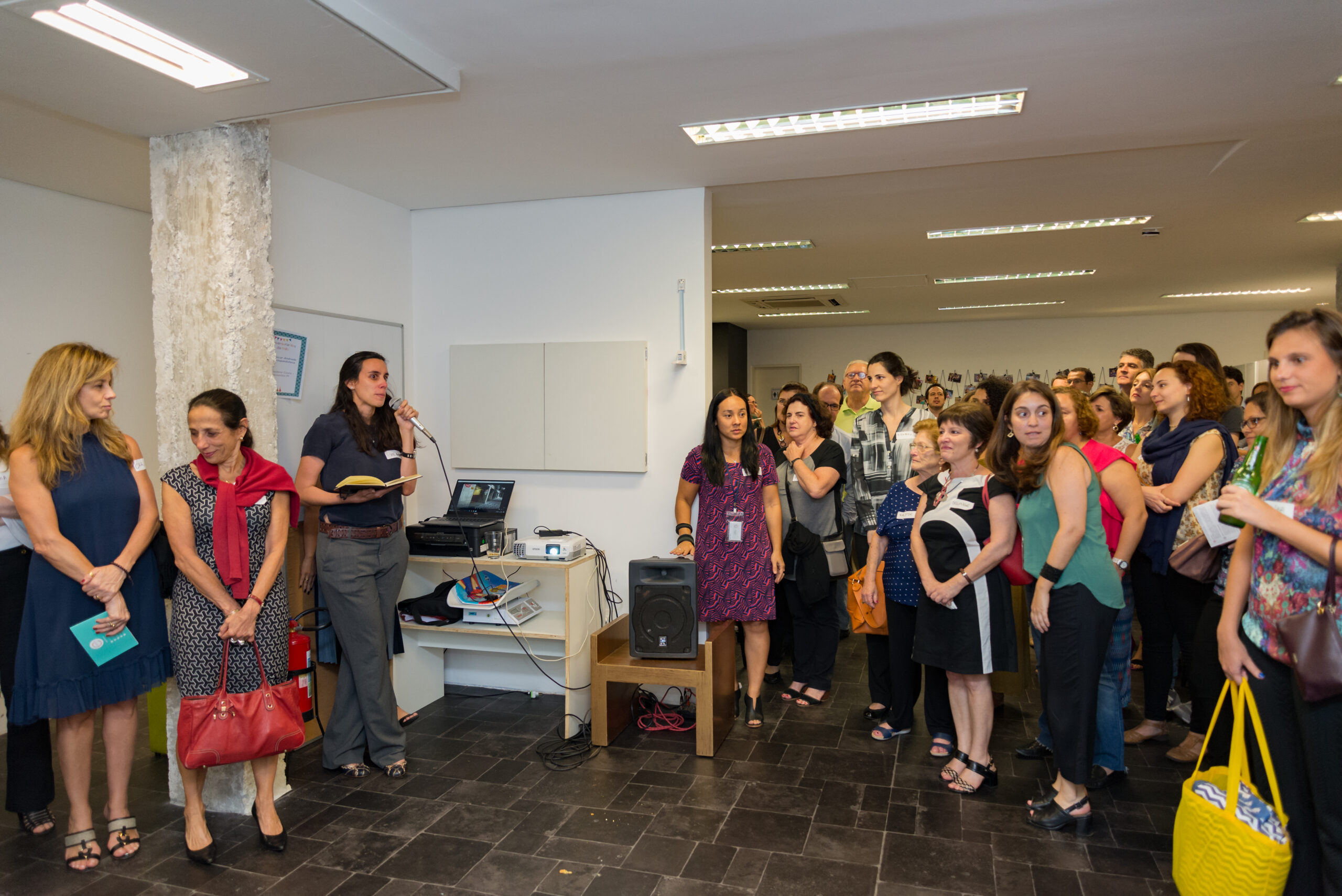
- Inauguração da nova sede
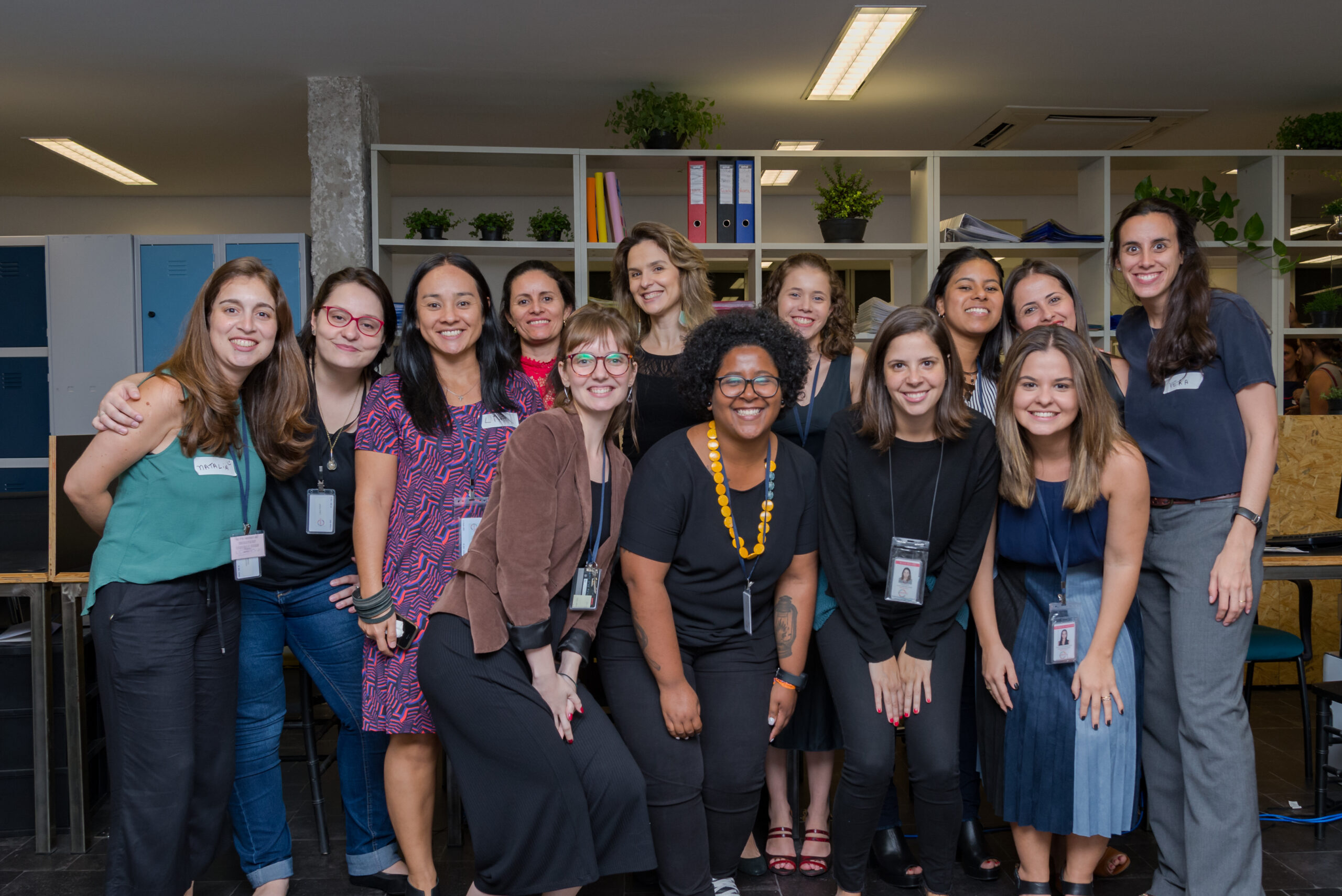
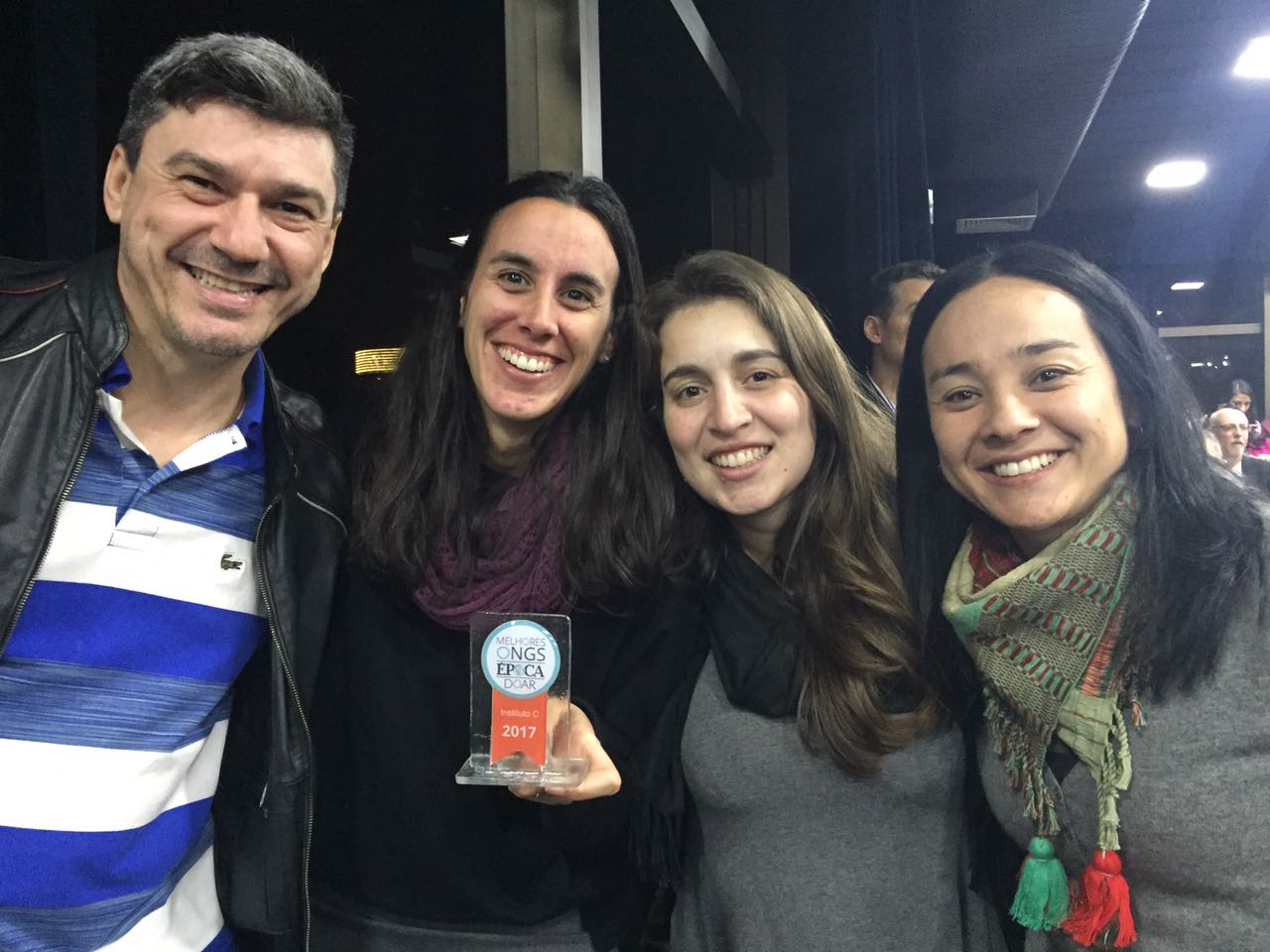
In the same period, Instituto C was recognized (the first of nine times) by the Best NGOs Award (Prêmio Melhores ONGs), from Instituto Doar, a benchmark of recognition in the third sector. This strengthened the change in brand, governance and audience. By then, the Institute already had different fronts: the PAF, focused on families with children with health issues; Early Childhood; and Educação em Rede (Networked Education), launched in 2017, with school partnerships and a focus on children and young people with difficulties in their school development.
-
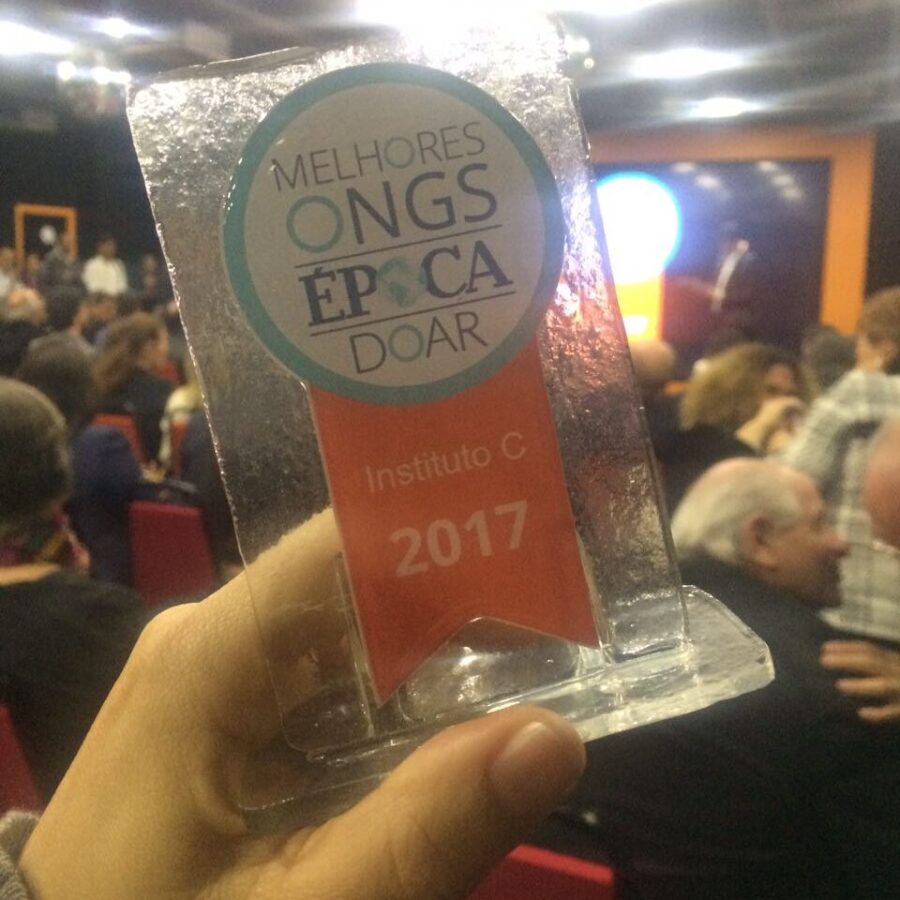
- Prêmio Melhores ONGs, 2017
Open doors
Strategic planning, carried out every three years with the participation of the team, the board and partners, continued to transform the institute. In 2019, a major shift came: the decision to operate with open doors, welcoming families who came on their own initiative and through referrals from other families, in addition to referrals from hospitals and partner institutions.
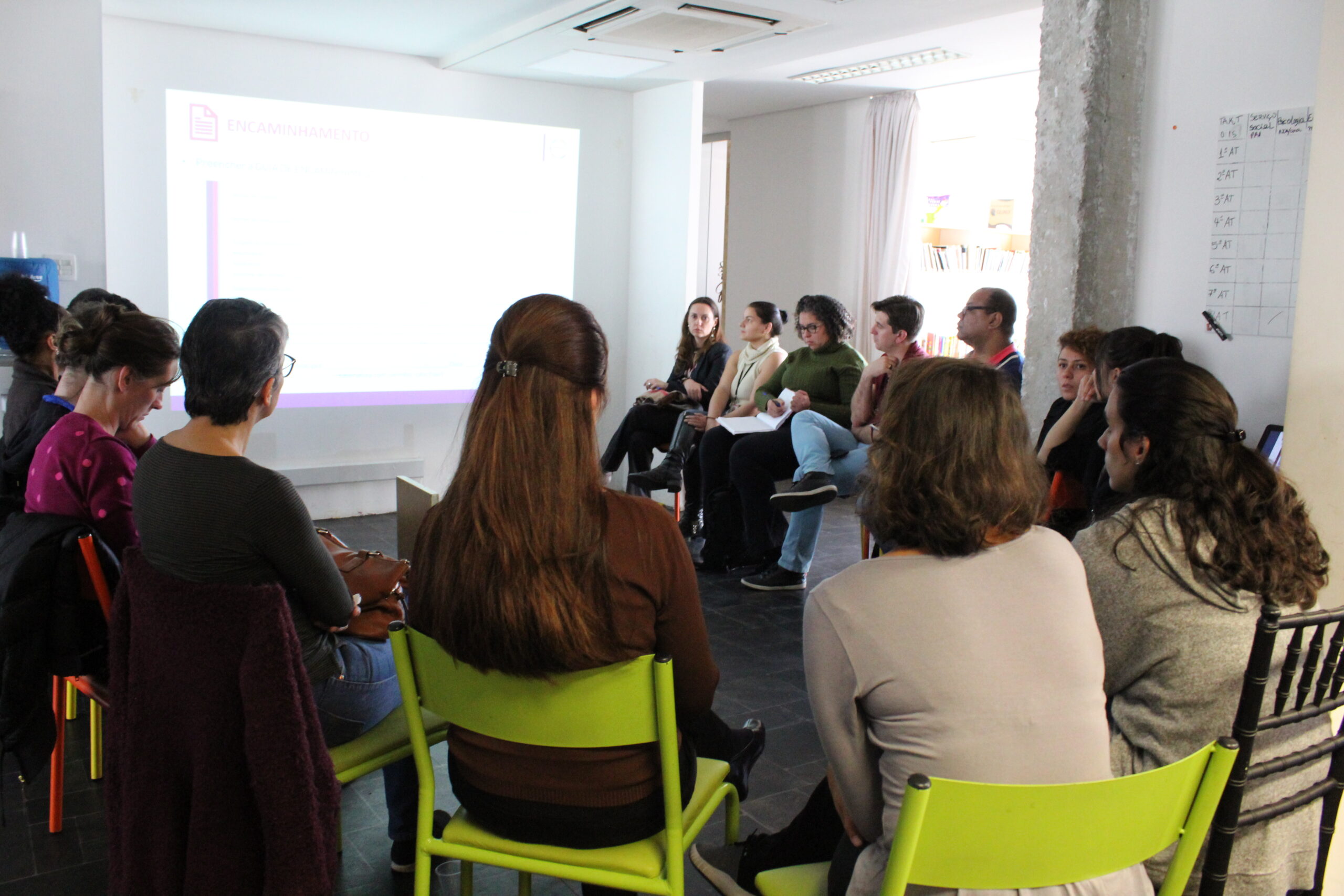
For years, the number of families served fluctuated with the volume of referrals, sometimes many, sometimes few. With this opening, that instability disappeared, especially at the Central Hub.
A collective construction
Throughout its history, Instituto C has continually transformed itself. It was born from a powerful methodology and grew through listening, adaptation, innovation and the people who passed through it. Every member of the team, every family, volunteer, partner and territory helped build what the organization is today.
According to Vera, the goal remains the same: offering families a better quality of life, autonomy and access to rights. And that begins within the organization itself. “There is no care for others if we don’t care for those who provide care,” she says.
Care needs to be in the methodology, but also in the way we work, the way we relate to one another, the way we make decisions and the way we build the future,” she adds.
This is the first in a series of special articles for Instituto C’s 15th anniversary campaign. In the next article, we will talk more about the evolution and replication of our methodology, based on direct experience with families.