15 years of IC: a methodology focused on care
In October, we are celebrating 15 years of Instituto C (IC). When we look back, we are proud of much of what we have built in partnership with many people and organizations. One of these achievements is, without a doubt, our own methodology, designed to meet the specific needs of the families who come through our hubs.
That is because, to guarantee access to rights for families with children and adolescents at social risk, IC needs to offer systematic care, built on a well-planned methodological foundation and delivered by a qualified team that takes into account the conditions and needs of each territory where it works. After all, to achieve its intended impact, any social action must be accompanied by good organization and planning.
What does methodology mean?
Methodology is the combination of methods and paths needed to achieve a goal. In academic research, for example, methodology refers to everything the researcher had to do to reach the results (such as interviews, questionnaires and data analysis).
In our context, it is simply the way we carry out our work. In other words, it is the set of processes, techniques and tools we use every day to achieve the social impact we seek. Some examples that are part of a third-sector organization’s methodology are:
-
- Which days it carries out its routine activities;
- How it calculates the indicators of its work;
- For how long it supports each person served.
The origins of IC’s methodology
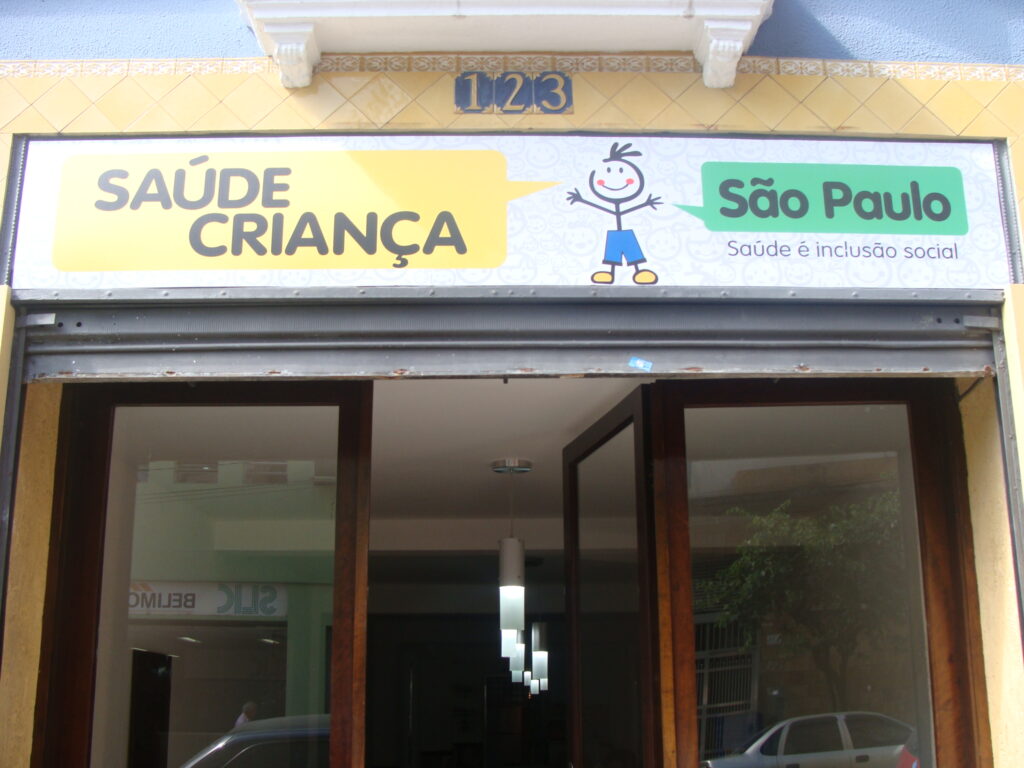
Fifteen years ago, Instituto C was born as the São Paulo unit of Instituto Dara (an organization from Rio de Janeiro that, at the time, was called Associação Saúde Criança, ASC). For this reason, our methodology was the same one Dara had built to serve families in the other states where it operated: the Family Action Plan (PAF)*. This plan was built together with each family, so that the child with a diagnosis could overcome immediate difficulties and develop in the medium and long term.
*Instituto Dara’s methodology has since evolved and is now called the Dara Method.
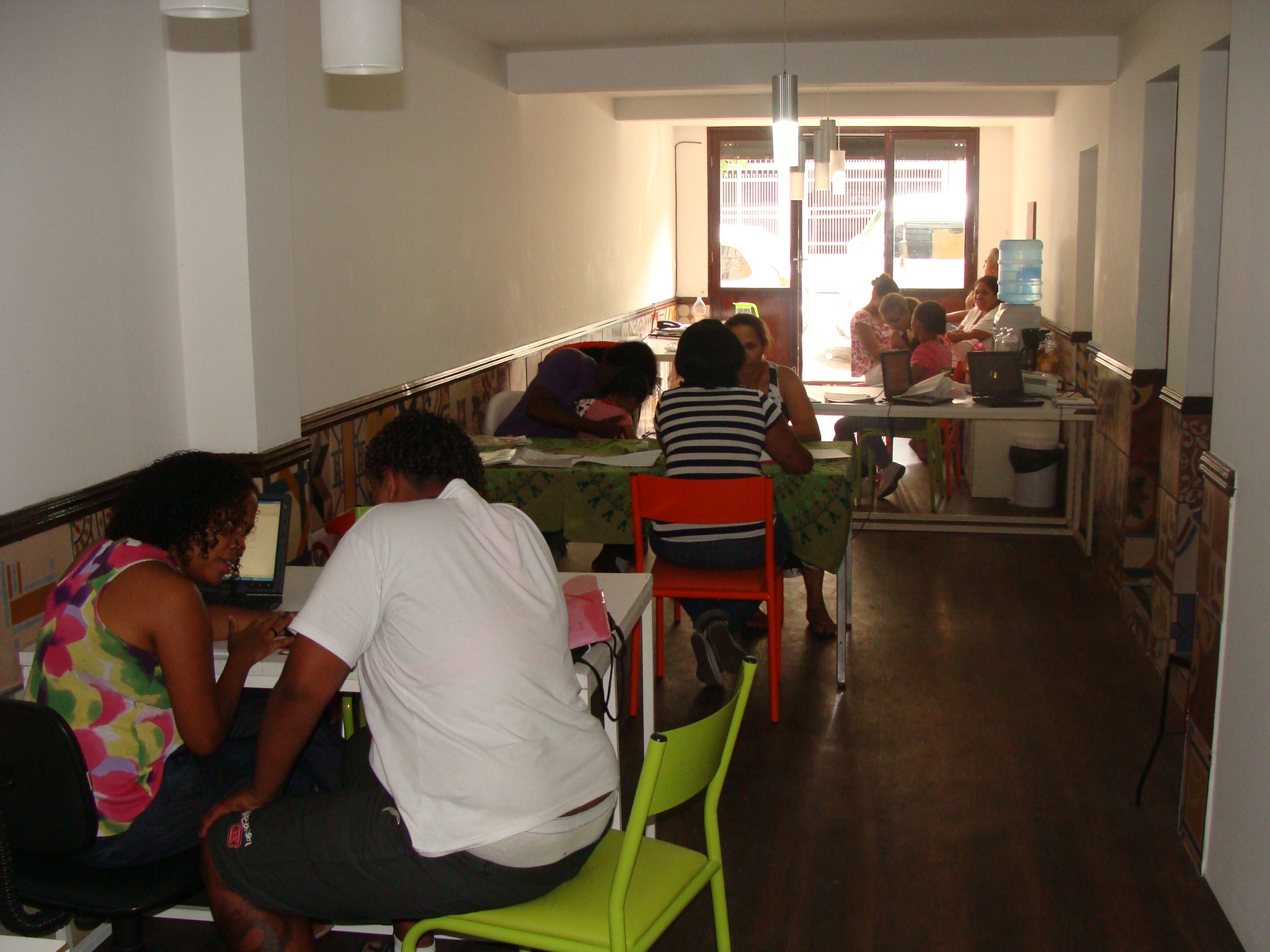
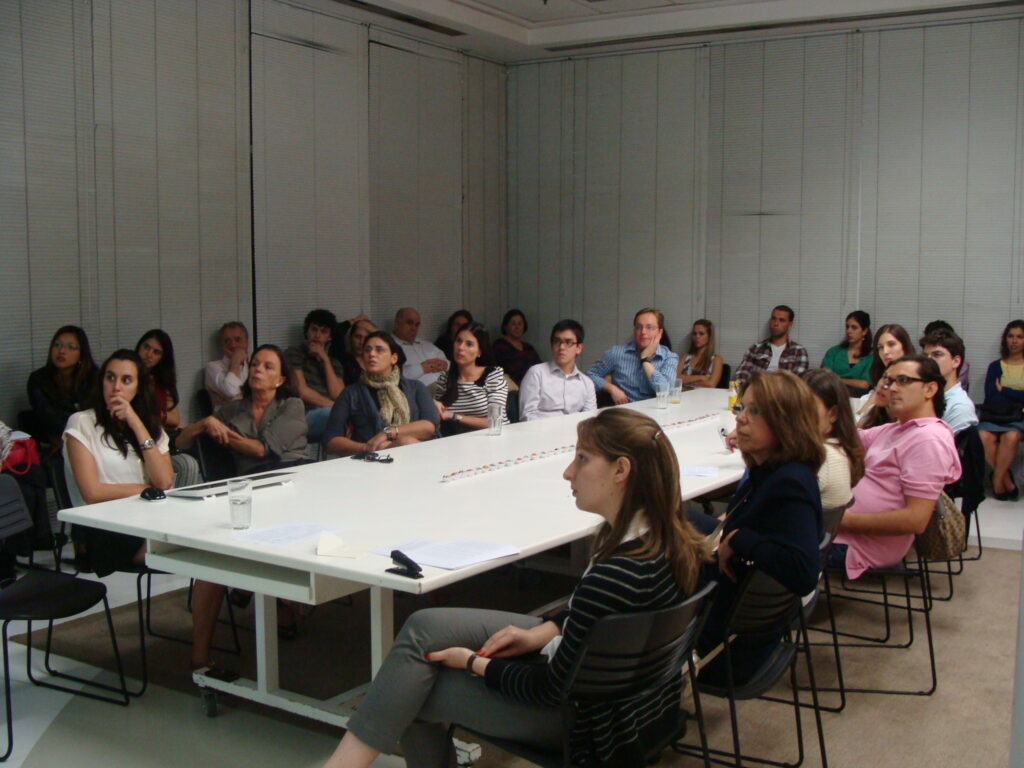
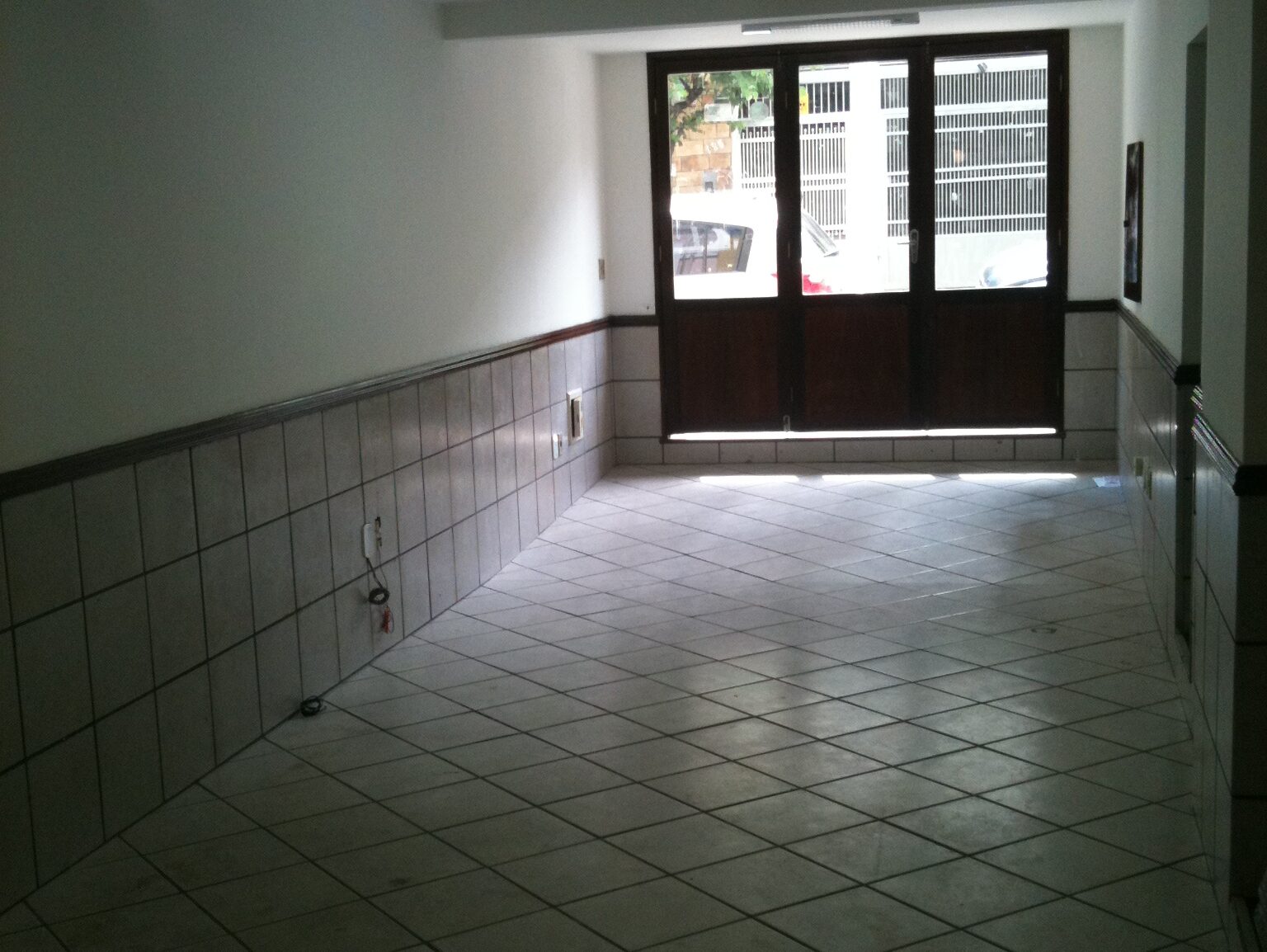
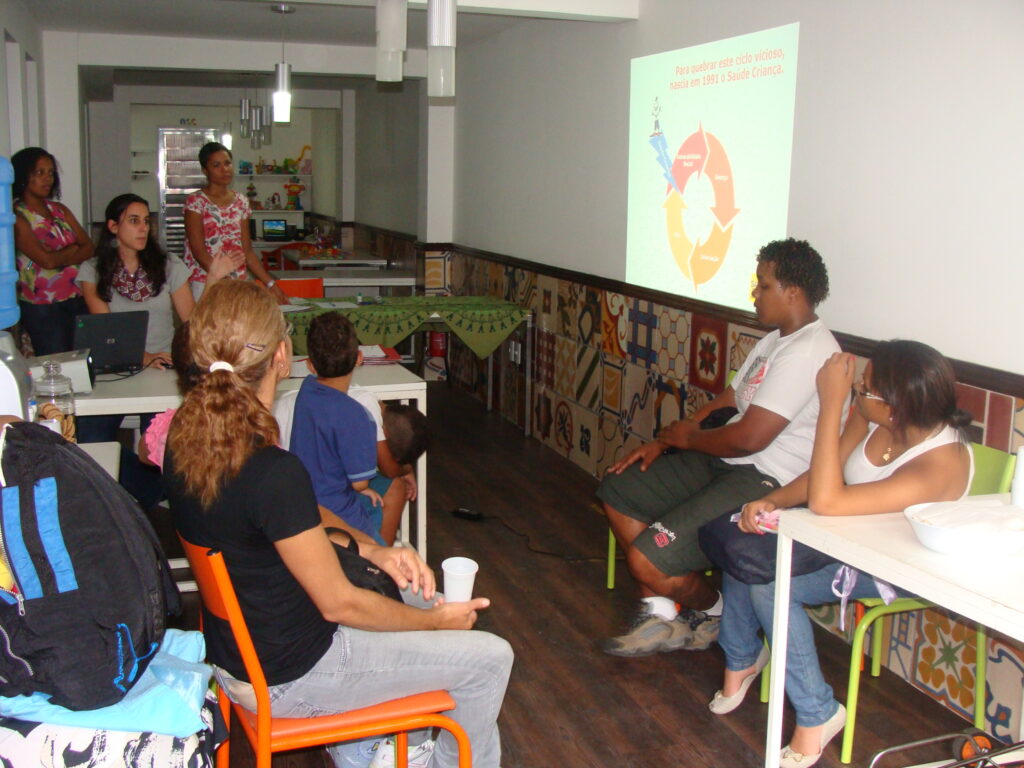
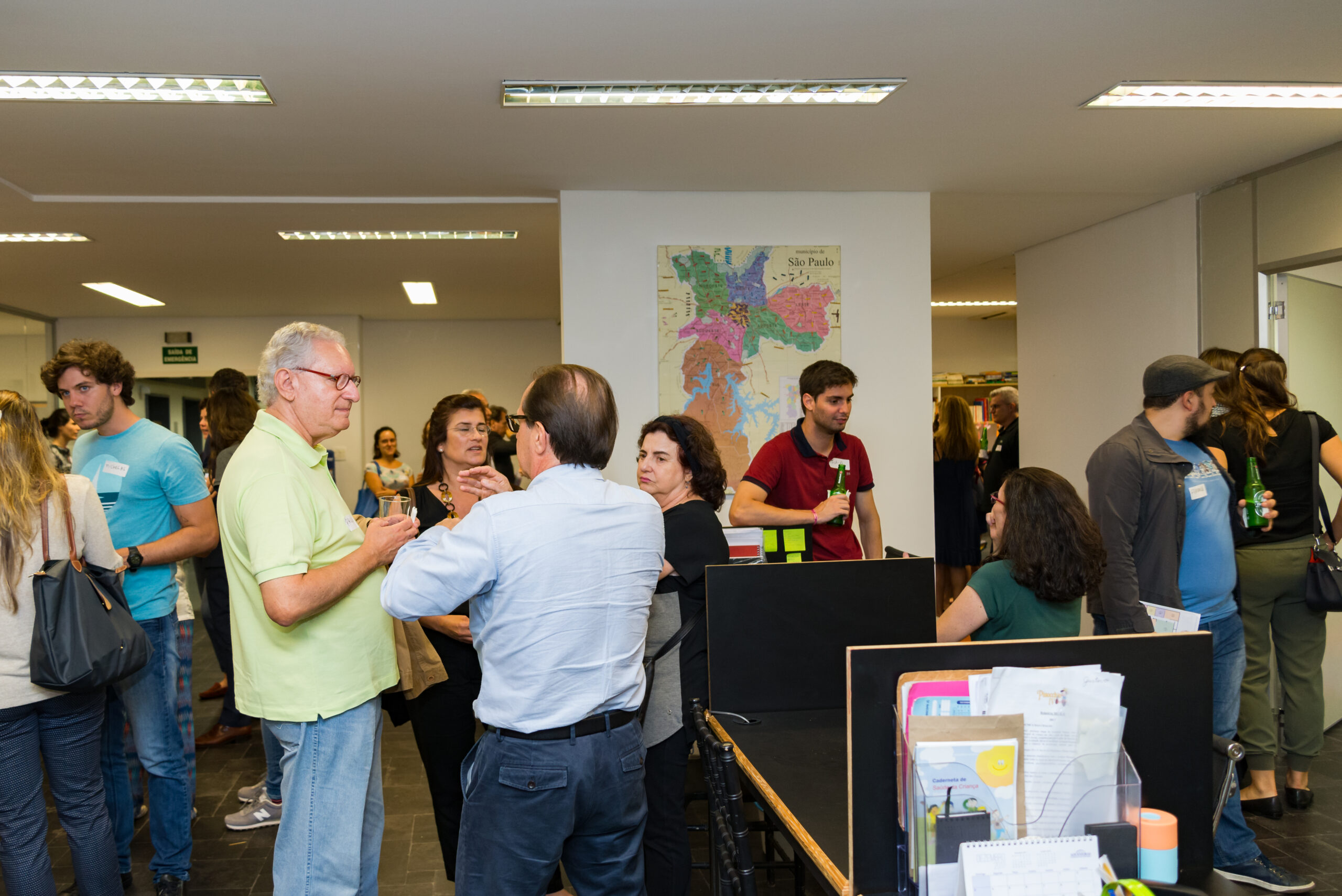
Round of services at Instituto C’s first headquarters, in 2012
Many elements of our methodology were therefore different from what we have today. For example:
- Our services were aimed at families with children with serious or rare diagnoses, in situations of social risk.
- These families were referred by partner hospitals, especially Santa Casa, near our headquarters.
- Volunteers played a very strong role in providing services to families.
- Each day, there were two group sessions (one for the morning families and another for those who came in the afternoon). Afterwards, each family sat down at each of the service areas and was required to spend 15 minutes at each table. At the end, they collected benefits (such as a food basket) and left, returning the following month.
What began as support for families facing a child’s or adolescent’s illness came to include other dimensions of family life, such as income generation, early childhood development, education, strengthening bonds and access to rights,” says Nayara Oliveira, Institutional Development Coordinator at Instituto C.
Methodological changes
The multidisciplinary and holistic care for the families who come to us, which already existed back then, remains alive today. But over the years, our methods have changed to respond to emerging needs.
The technical team, for example, began to point out that the length of the sessions was no longer enough to welcome families and give them the guidance they needed. Volunteer-based services also proved unsustainable in the long term, requiring more professionals to be hired for the technical team. The requirement to serve children with complex diagnoses was also reconsidered, and today we also welcome families with children who have no diagnosis.
Another change involved welcoming new families. At a certain point, IC realized that we could receive families beyond referrals from partner hospitals, for example through word of mouth. The way we serve families also changed, with the aim of providing more quality time, continuous follow-up, qualified listening and autonomy for each of them.
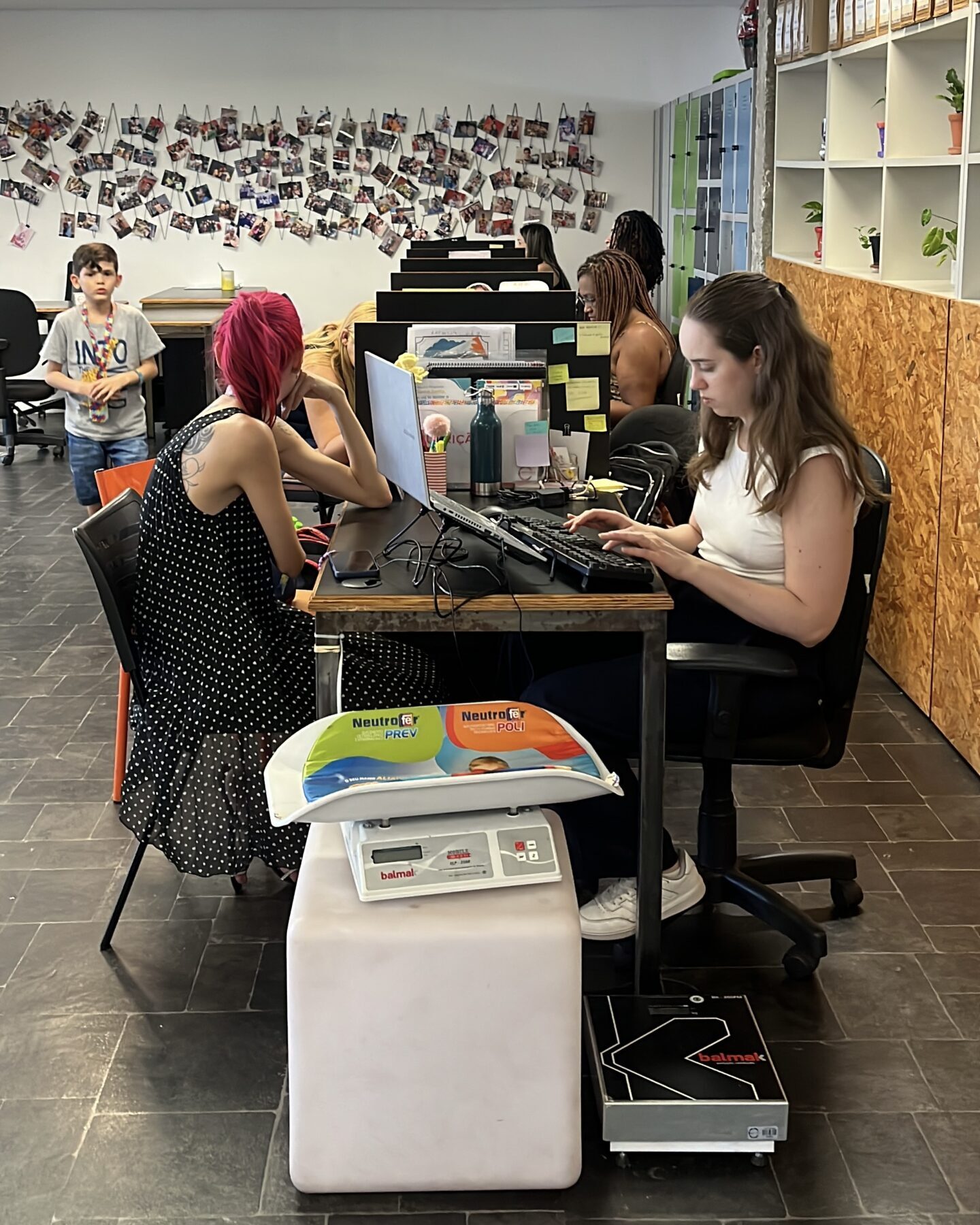
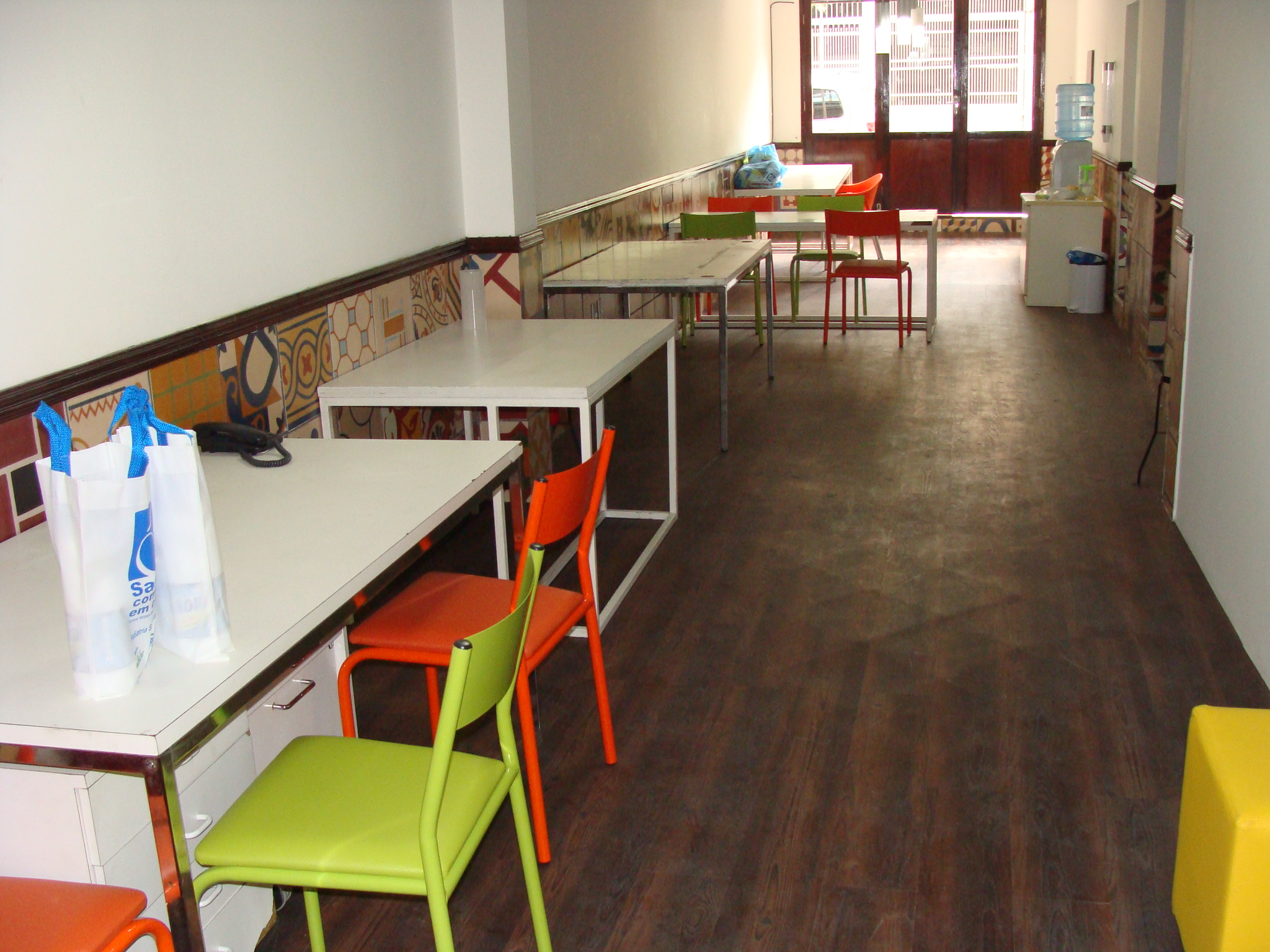
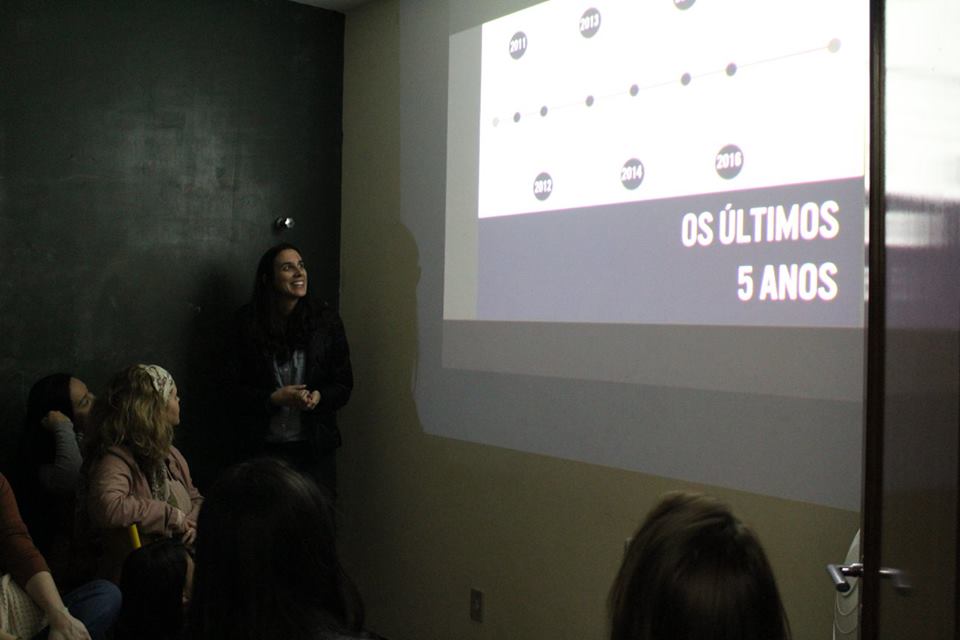
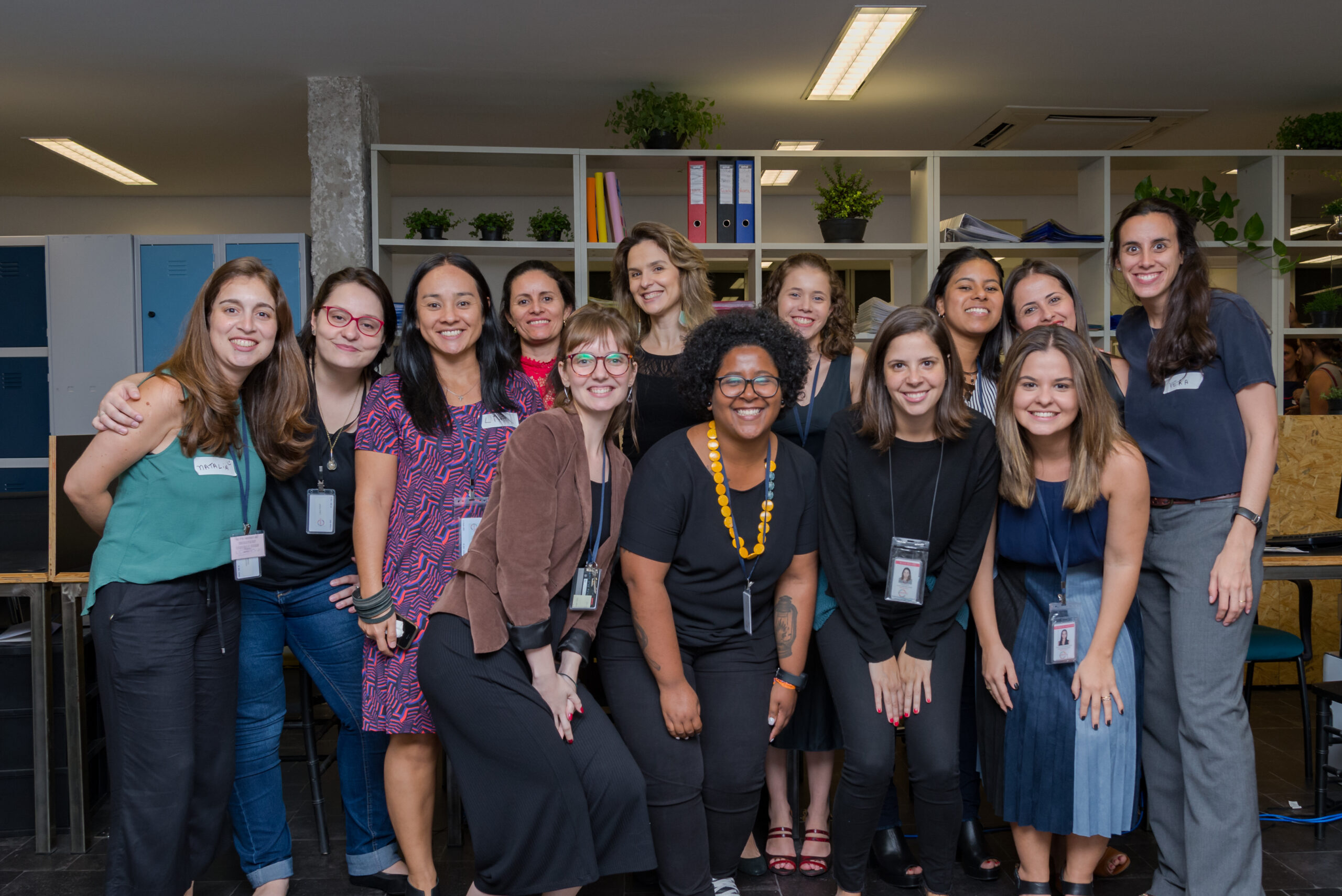
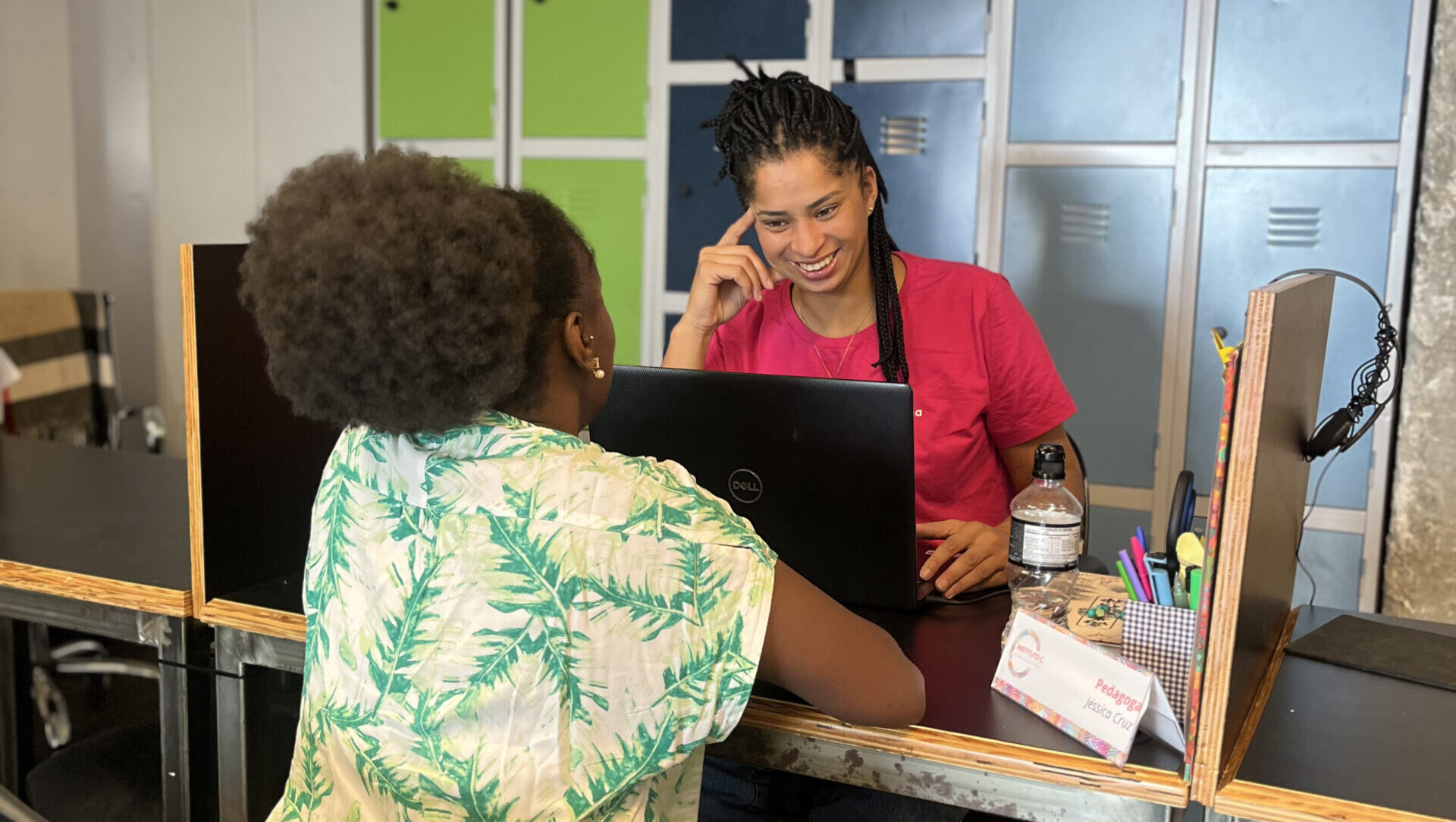
Individual sessions at Instituto C’s current headquarters
A methodology focused on care
Today, Instituto C has its own family support methodology, built on the experience of these 15 years and grounded in the National Social Assistance Policy and the National Care Policy, which was published in 2024 and reinforced the work we were already doing.
To fulfill our mission of ensuring the full development of children at social risk, we identified caring for those who care for them as our main method — and this is one of the most distinctive features of our methodology. We seek to strengthen families (often women overburdened by the invisible work of care), expanding access to rights and holding the State co-responsible for the care of these children.
What is invisible care work?
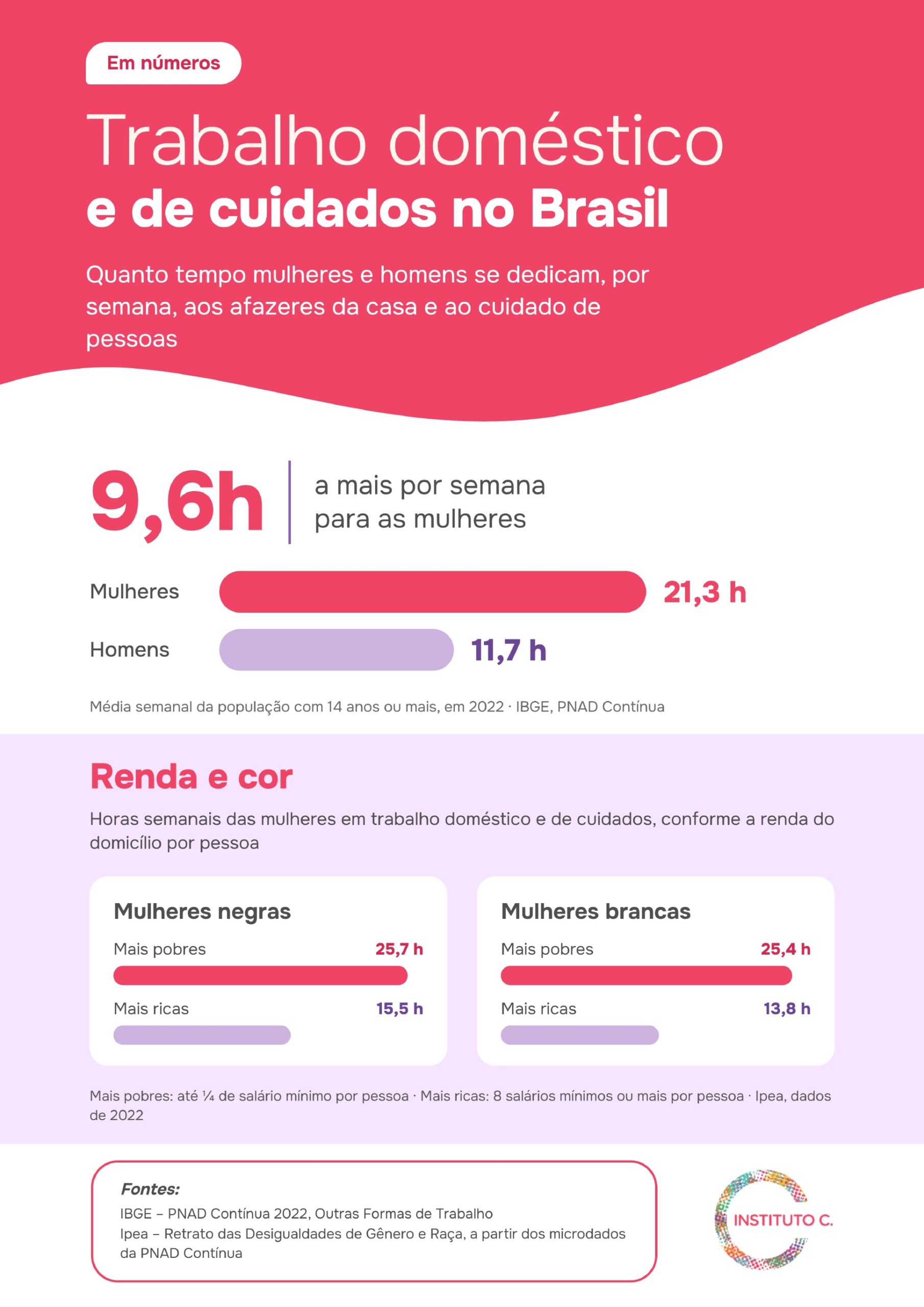
For each person to work and live a dignified life, someone needs to care for them. This care can be paid and come from companies and professionals (such as doctors, cooks and nurses), but it also happens unpaid at home. Society, in general, holds women responsible for these tasks: cleaning the house, cooking, caring for sick relatives, doing the laundry, and so on. All this work happens every day, but it is not very recognized. When, for example, someone looks at a renowned company director, few people ask: “Who cares for this professional, so that he could get where he is?”
And how do we expand access to rights? When we begin supporting a family, we first understand their needs and then, together with them, seek the necessary paths across different government departments, bringing together in one place information about the various public policies these people are entitled to. This way, families are able to access places in daycare, housing rights, health services and more. This is because, to reduce economic inequalities, we understand that we must consider every aspect of the lives of people living in poverty, not just their income.
How does it work in practice?
Many families come on their own, through recommendations from other families or through referrals from network services, such as CRAS, UBS, schools and other partners. To take part, a family just needs to have at least one child or adolescent, be in a situation of social vulnerability and be interested in the project.
As soon as they arrive at IC, families go through screening, in which a socioeconomic analysis of their vulnerabilities is carried out. Each family is then referred either to the welcome group or to our waiting list.
A turning point in our methodology came when we understood that the key to offering holistic family support was to assign each family a reference professional from our team. This strategy emerged as we refined our methodology to replicate it in a partnership with Instituto Alimentando o Bem (IAB; learn more at the end of this article). This professional (whether a social worker, psychologist, nutritionist or educator) is responsible for following the family’s various needs, seeing it as a whole. Each family may go through different areas in a complementary way, but it is their reference professional who follows them closely and builds, together with them, the Individual Care Plan (PIA, its acronym in Portuguese).
This plan defines which areas of expertise will support the family (social work, psychology, nutrition, pedagogy or productive inclusion) and how often. The PIA is reviewed every three months, always in partnership with the family, to strengthen their role as protagonists.
Since bonds have always been a priority for IC, we extended the length of individual and group sessions and, in addition, adopted comprehensive follow-up by reference professionals,” highlights Nayara.
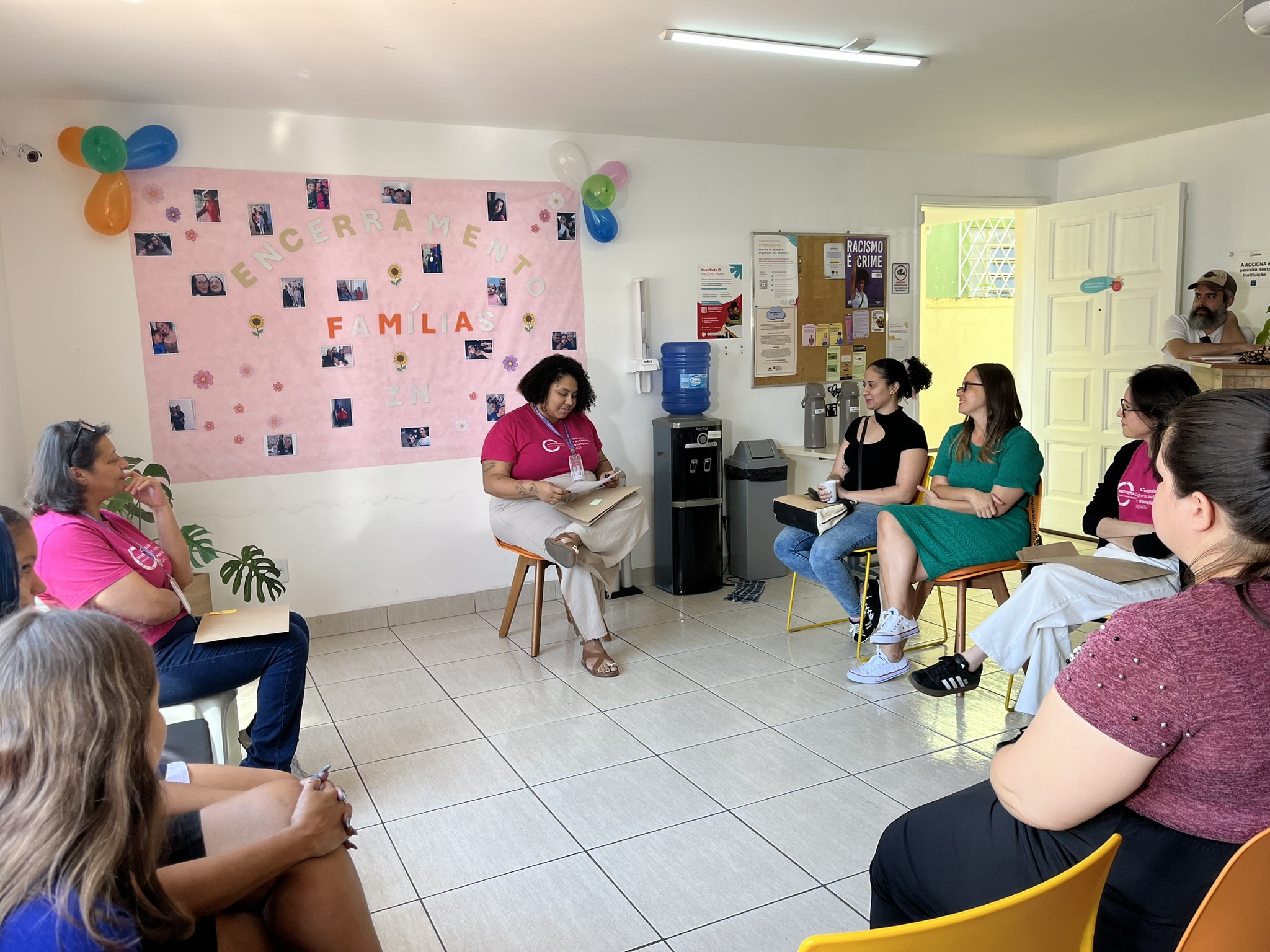
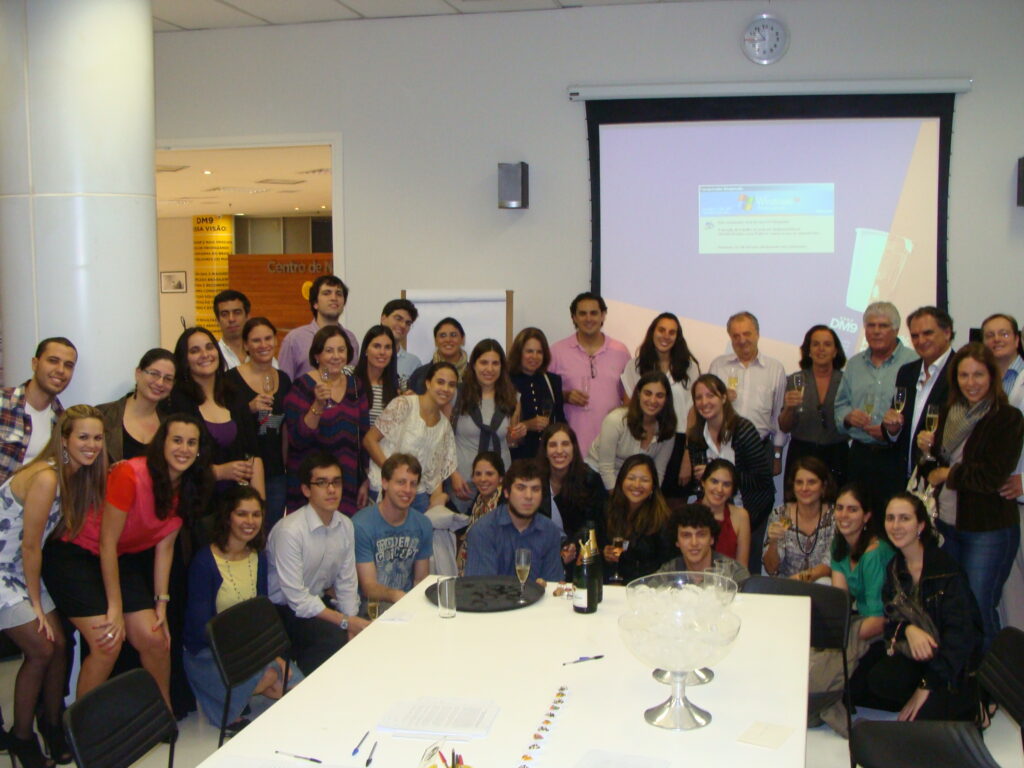
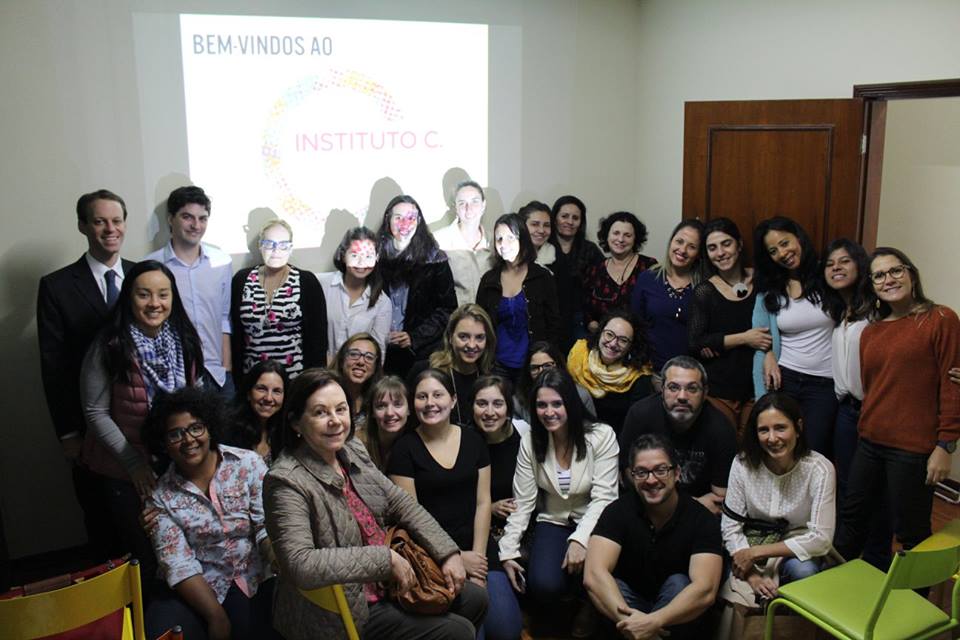
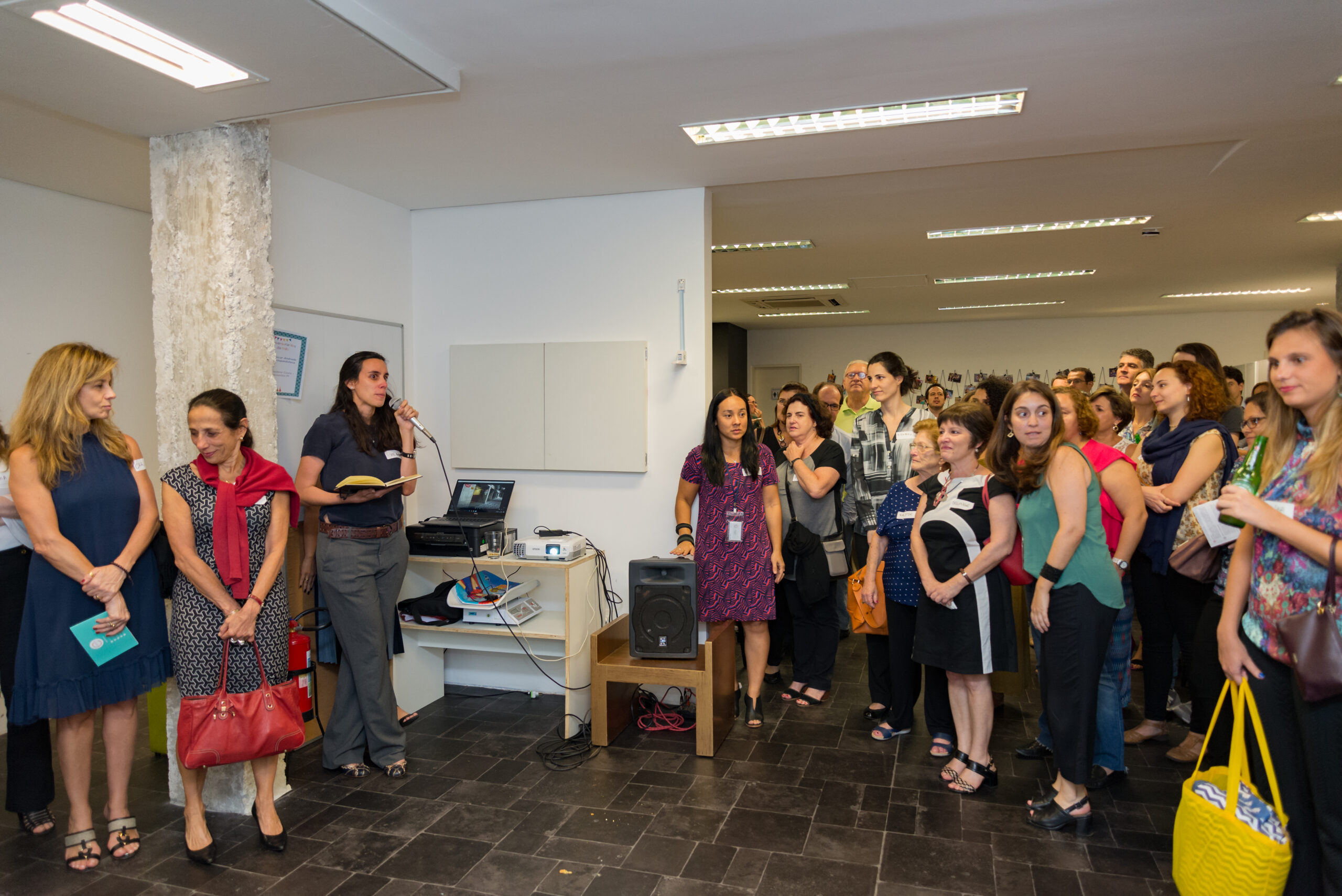
Closing group at the North Zone Hub in the city of São Paulo
In addition to individual sessions, families take part in workshops and conversation circles, as we have done since the beginning, and, at some hubs, children and adolescents have group activities of their own. Benefits such as food baskets are still provided to families who need this support.
Today we offer welcoming and listening attentive to these families’ needs, vulnerabilities and strengths, to co-create strategies for confronting and breaking cycles of social exclusion,” explains Nayara.
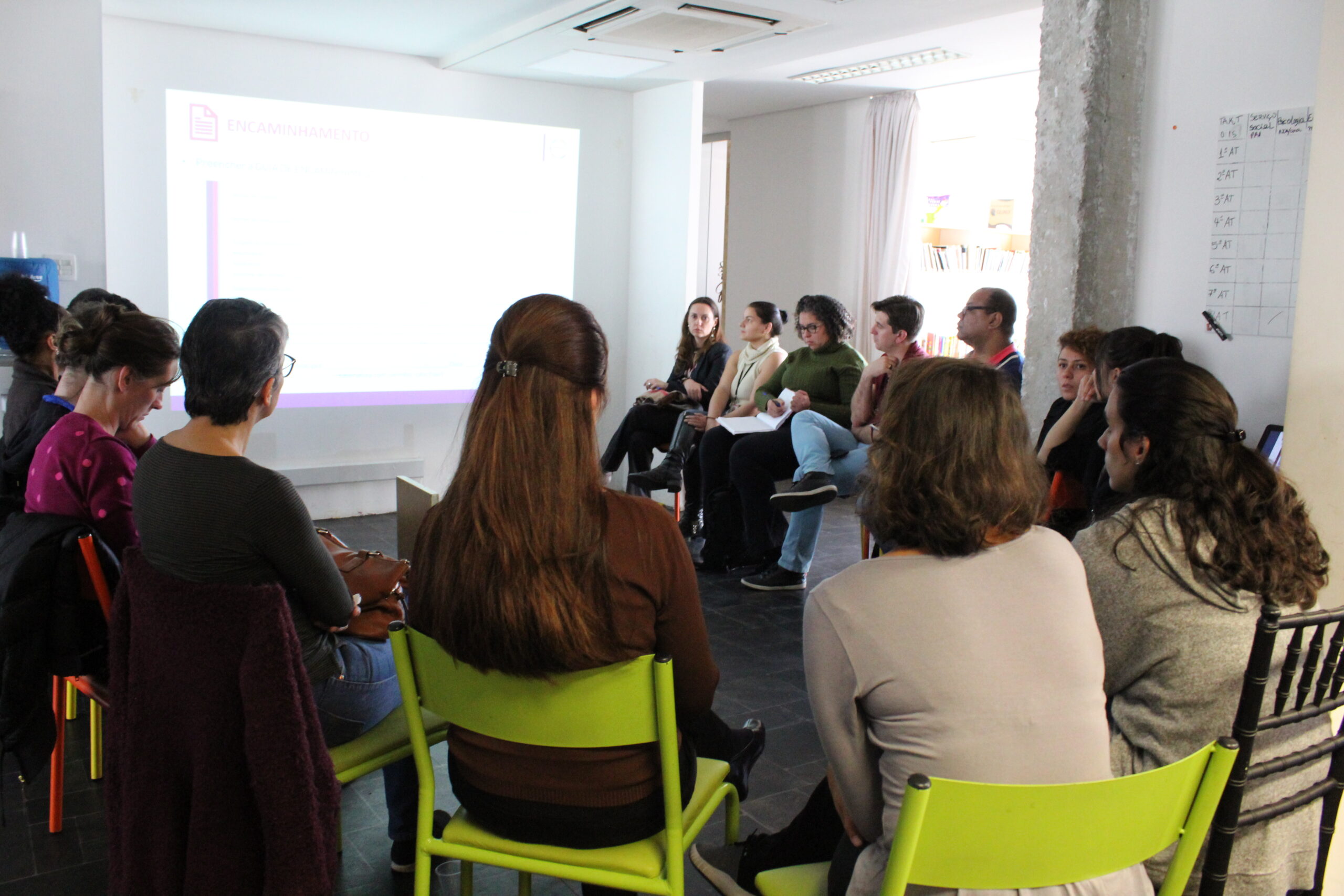
Every week, the team meets to discuss cases and think of new strategies, always in coordination with the territory’s service network. Another important tool is our own monitoring system, where each family’s entire journey at Instituto C is recorded. It is there that we carry out screening, build the PIA and record the progress of each session, group meetings, home visits and referrals to the network.
With this information gathered in one place, the reference professional and the other areas can follow each family’s journey together. The system also stores the indicators assessed by the team, such as self-esteem, autonomy and income, which help us understand families’ achievements and adjust care whenever necessary.
Expanding our methodology
In recent years, Instituto C’s expansion has allowed us to take our methodology beyond our headquarters in the city center, where it was first developed. We created other service hubs and learned to adapt the methodology to meet the specific needs of each territory. At the North Zone Hub in São Paulo (created in 2022), our routine includes vocational courses offered by local partners, which complement our services. At the Taubaté Hub (2025), we do not have our own space for group sessions: they take place at our partners’ units. At the Porto Alegre Hub (2025), we are located within a community space funded by Instituto Mari Johannpeter (IMJ), and our services complement IMJ’s home renovation work, as well as including home visits to every family.
-
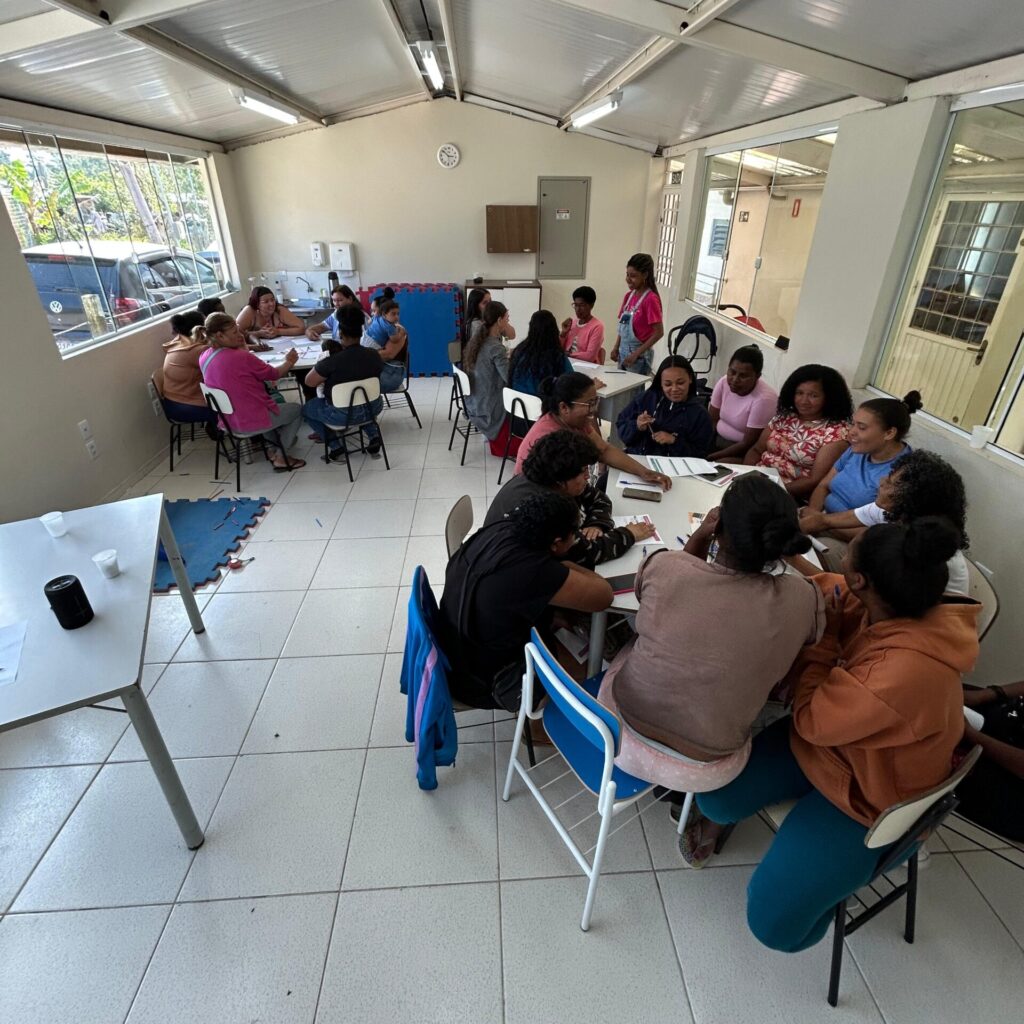
- Rodas de conversa em POA e Taubaté
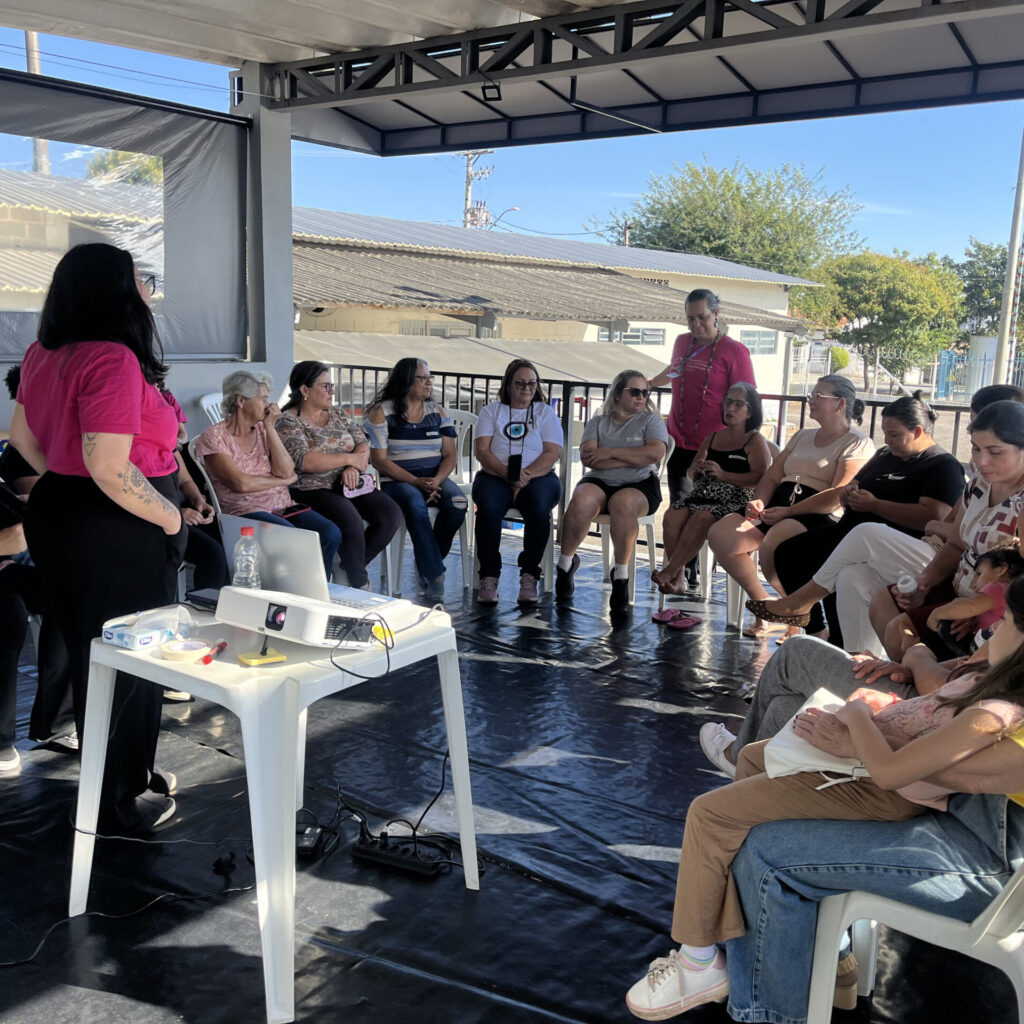
Between 2023 and 2026, we established a partnership that allowed us to replicate our methodology beyond our service hubs. Instituto Alimentando o Bem works on the territorial development of mangrove communities in Guarujá, on the coast of São Paulo state. It began its activities in 2020 with an emergency response in the Perequê neighborhood during the pandemic, distributing meals and other donations to residents of stilt houses affected by flooding. However, the organization soon realized that the service it could offer was not complete. It began offering a wider variety of services, until it met Instituto C and realized that our methodology’s holistic care would be essential for these families’ full development.
Thus, what began as guidance offered by Instituto C to IAB soon became a true experience of replicating our methodology. Alimentando o Bem initially hired a social worker to listen to families and get to know the territory and its needs, and soon complemented social work services with psychology and pedagogy, launching the Rede Cidadã (Citizen Network) program.
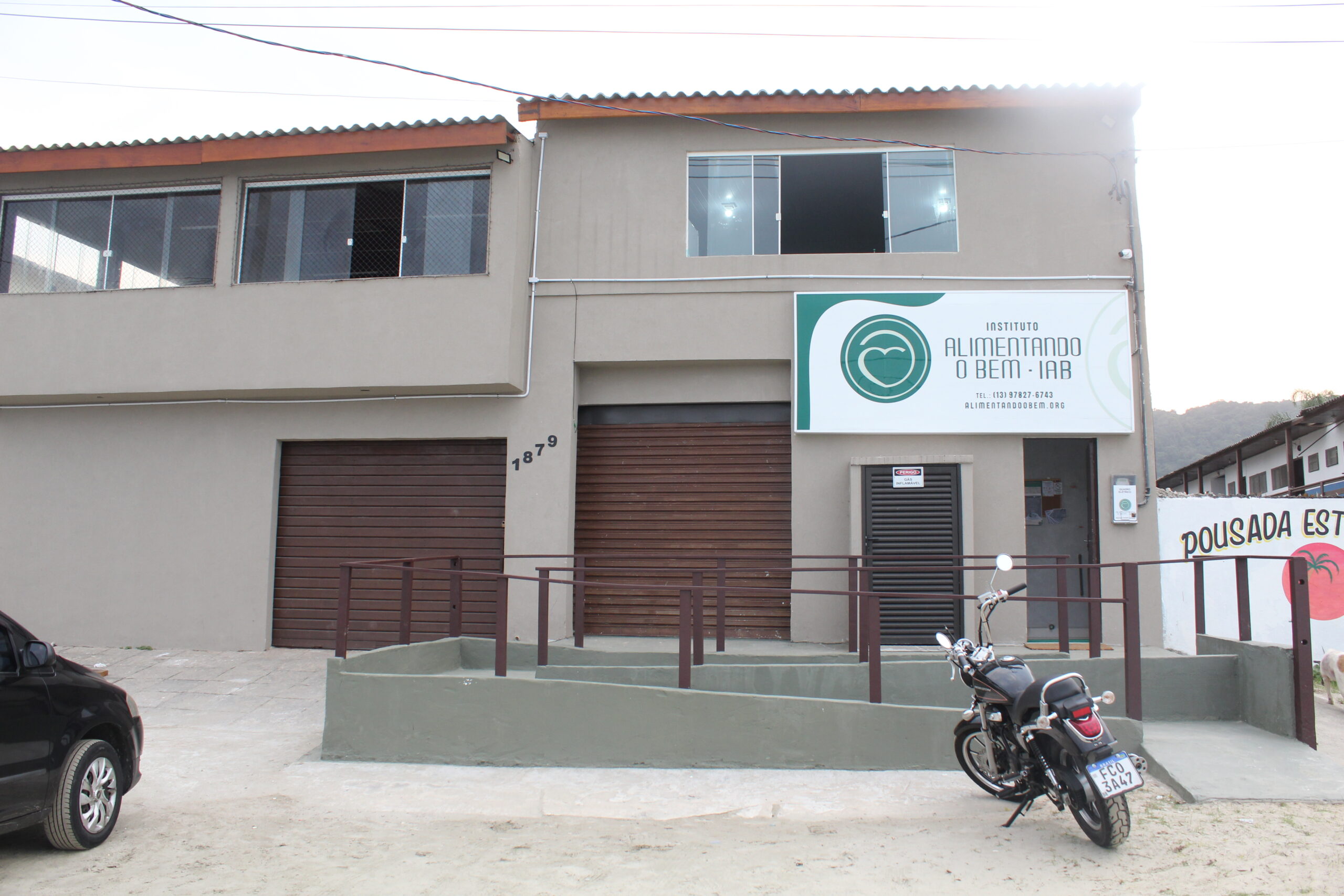
Instituto Alimentando o Bem, in Guarujá (SP)
As soon as the partnership began, the two institutes realized that some adaptations to the methodology would be needed for it to work effectively in Guarujá. There, families from different projects (some with no planned end to their cycle) began taking part in Rede Cidadã. And since they had no expected date for leaving the Institute’s services, these cases made it harder to interpret the indicators collected by the system. For this and other reasons, IC developed a new version of the system so that it could efficiently monitor the services in Guarujá. Another relevant difference was that Alimentando o Bem was open to all families in the region (especially women), not only those with children and adolescents.
The experience in Guarujá was a great learning experience for Instituto C. By adapting our methodology to another territory, we also started to look more closely at our own way of doing things,” says Nayara. “The reference professional is a good example. There, each family had a professional who followed its entire journey, and I soon realized that this approach would also strengthen bonds and continuity of care for families in São Paulo. That’s how we brought this practice to our hubs.”
Rede Cidadã left important results for Alimentando o Bem. It was through the program that the Institute recognized itself as a basic social protection organization and obtained municipal and, later, state social assistance certification. It began taking part in network meetings, hosted meetings of the Municipal Social Assistance Council and, since early 2025, has hosted the CRAS once a week at its facilities, since the nearest center is far from the community. Between 2023 and 2025, the indicators tracked in the system showed an increase in families’ access to social assistance services and the health network.
Instituto C also learned a great deal from this experience. In fact, it was from it that we created a new area of work dedicated to multiplying our methodology and training partner organizations.
Each territory has its own needs, and Guarujá showed us that taking our methodology to other places requires listening and adaptation. Today, before starting a new partnership, we carry out a socio-territorial assessment and seek to understand what forms the foundation of our work and what can change in the way we do it. That way, we can share what we’ve learned and ensure that more families, in different territories, receive holistic, high-quality care,” adds Nayara.