Category: Eng

Eng

Culture of Giving: Brazilians Are Synonymous with Generosity, but We Can Go Even Further

The culture of giving is a collective construction that brings together values and practices encouraging individuals and companies to contribute voluntarily to social, environmental, cultural, and other causes. Social awareness and collective engagement awaken giving as a natural behavior, making this gesture part of our responsibility as a society.

We are among the most generous countries in the world, reflecting how Brazilians are always willing to help one another. A 2024 survey by the Institute for the Development of Social Investment (IDIS) found that individual donations in Brazil reached R$24.3 billion last year. The survey analyzed institutional monetary donations made to NGOs, campaigns, or socio-environmental projects.

João Paulo Vergueiro, Director for Latin America and the Caribbean at Giving Tuesday, notes that Latin Americans have a cultural inclination toward generosity: “In general, our Latin American and Caribbean populations are very generous. We have a culture of solidarity within families, communities, churches, clubs, neighborhood associations, and samba schools.”

Other data from the survey help us understand the donation landscape in Brazil. For example, the average annual individual donation increased from R$300 in 2022 to R$480 in 2024. Many donors adopt a strategic approach: 83% seek information before contributing, and 86% carefully choose the causes they support.

Barriers to Giving

For social organizations that rely on donations to operate, there is still potential to attract more contributors. João Paulo explains that people tend to donate to causes close to their lives, such as health, education, and childhood. This “closeness” helps to sensitize donors.

The IDIS survey also shows that people donate more in emergencies, like the tragedy in Rio Grande do Sul in 2024. Extreme events mobilized half of Brazil’s population to give last year, but also raised concerns about fraud. With so many collection points, it became hard to distinguish between scams and legitimate causes—a constant concern for donors.

Paloma Costa, Institutional Relationship Manager at Instituto C, observes how distrust still affects donations: “This generalized distrust creates an emotional and rational barrier when donating. Transparency, accountability, and clear communication are essential to rebuild trust.”

Another challenge is fostering a sense of collective responsibility, encouraging people to contribute to societal development. Organizations like Instituto C address this through content that informs and demonstrates how the nonprofit sector positively impacts families.

Encouraging Generosity

Promoting giving as a continuous action is challenging but achievable through initiatives that show its impact on beneficiaries’ lives. Donating also shares a privilege one once received, helping reduce inequalities.

Ideally, donations should become part of a person’s life, like a monthly priority, reflecting causes that impact social well-being. Paloma emphasizes, “It’s crucial to show people that by contributing, they are not only helping temporarily but expanding access to rights that many lack, transforming solidarity into active citizenship.”

One way to integrate giving into daily life is through tax incentive laws, like donating part of income tax to sports, social, and cultural projects, or programs like Nota Fiscal Paulista, which allow contributions to registered organizations. Raising awareness about such initiatives encourages donations.

Giving Benefits Everyone

Donating has many benefits, including for the donor. João Paulo reflects, “The act of giving fulfills the donor because they know they are sharing the responsibility to make a difference in society.”

In English, the phrase “give back” captures this sentiment. In Portuguese, it reflects gratitude for the chance to positively impact the lives of people and institutions in need. Overall, donating creates a sense of satisfaction and happiness, as research confirms. “Giving tends to make people feel more at peace with themselves and the society, understanding that they are doing their part for a better world,” says João.

Giving Tuesday

Giving Tuesday is a global initiative promoting generosity and the culture of giving. This year, it takes place on December 2nd, when organizations and individuals mobilize to collect donations for specific causes or NGOs working on diverse issues.

João Paulo is a pioneer of Giving Tuesday in Brazil, recognizing it as one of the countries where the movement has spread most. Campaigns operate in various ways, through organizations or community-led initiatives. The current challenge is to reach more people and “break the nonprofit bubble.”

Collective mobilization is already making a difference and will continue to do so. João emphasizes, “Giving Tuesday is about generosity, about doing good. Every form of generosity is valid on this day, and you can express it in any way as long as it does good.”

At Instituto C, we invite you to join us this Giving Tuesday to help hack inequalities and expand care for hundreds of families. At IC, we remove obstacles preventing vulnerable families from achieving full citizenship, such as lack of access to information about rights, absence of support networks, and low self-esteem. Click the button below to learn how to donate.
Eng

Women’s Empowerment: How Entrepreneurship in the Peripheries is Transforming the Lives of Mothers and Families

Entrepreneurship among women in peripheral communities is growing stronger and shows just how much this type of work has transformed families. Women are investing in different areas to create their own businesses, especially in the neighborhoods where they live, where the demand for services comes from within the community itself. In 2024 alone, women accounted for 34% of entrepreneurs in sectors such as services, commerce, and technology across the country. In favelas, women lead 60% of enterprises, according to research by Investe Favela.

For mothers, entrepreneurship provides the opportunity to manage their own work schedules, which is especially important for those caring for atypical children. At Instituto C, many entrepreneurial mothers balance caring for their children with autonomous work. Despite the obstacles, they achieve financial independence and regain self-esteem through their work at home. This also strengthens the family, as mothers gain access to new opportunities and resources.

Challenges of Entrepreneurship in Peripheral Areas

Even with the growth of entrepreneurship among women in peripheral communities, many still face barriers that hinder professional growth. According to our income analysts Carol and Giovana, one of the biggest challenges they face is limited access to financial resources, especially for entrepreneurs in the food and beauty sectors, who need to invest in order to see positive results.

Lack of access to the necessary knowledge to formalize a business is another obstacle. One of our roles is to provide information so women understand their rights as entrepreneurs, whether through registering as a MEI (Individual Microentrepreneur) or other public initiatives.

Moreover, entrepreneurship is very common in peripheral areas, which creates strong competition among entrepreneurs. This requires women to find new ways to develop their businesses to stand out and reach their audiences.

It is also important to remember that many mothers start businesses out of necessity, not always choice, which can prevent them from seeing themselves as entrepreneurs. This necessity stems from needing income while maintaining flexibility. “It’s not about an entrepreneurial mindset; it’s about vulnerability,” explains Giovana.

Income Generation at Instituto C

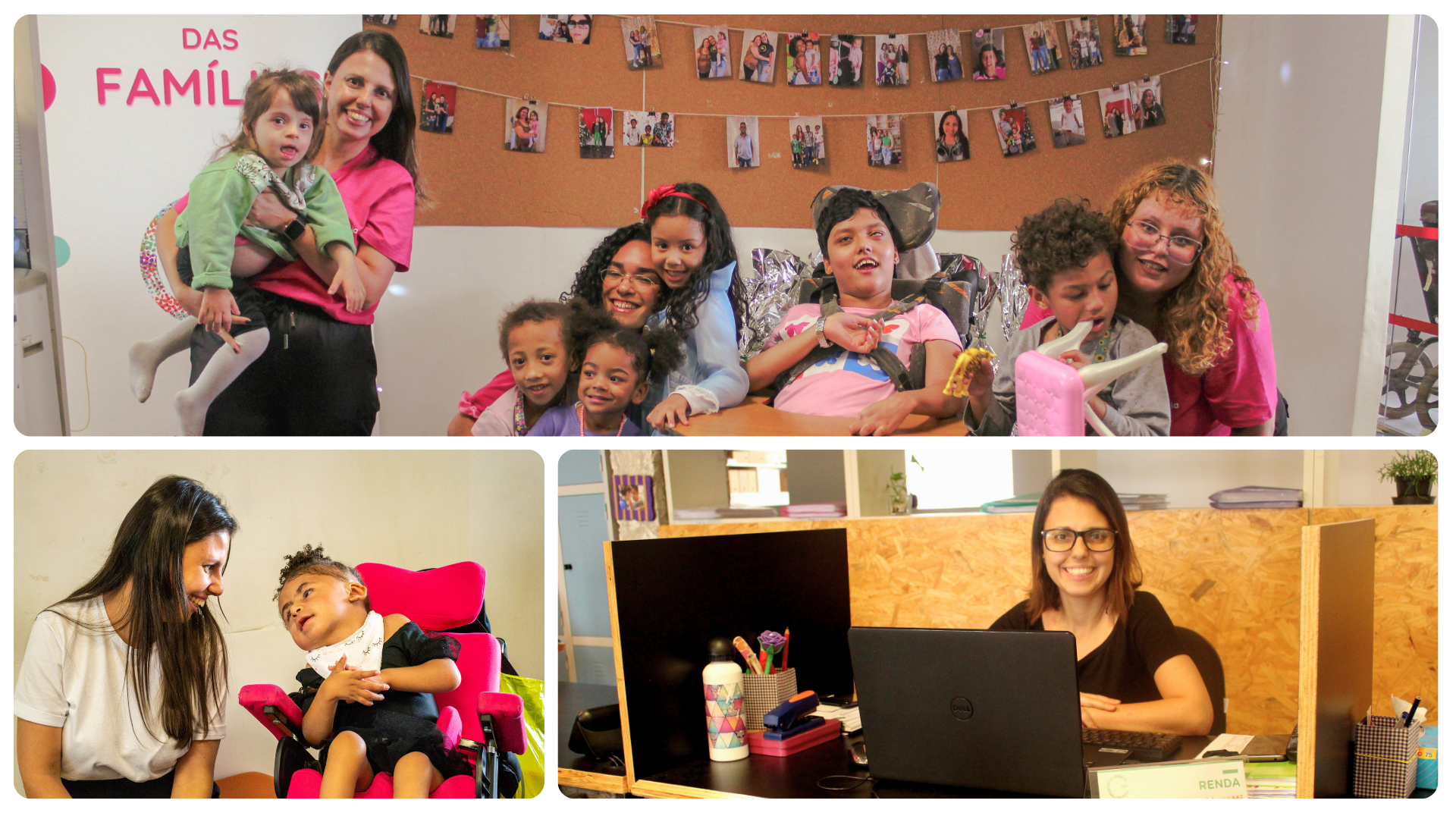
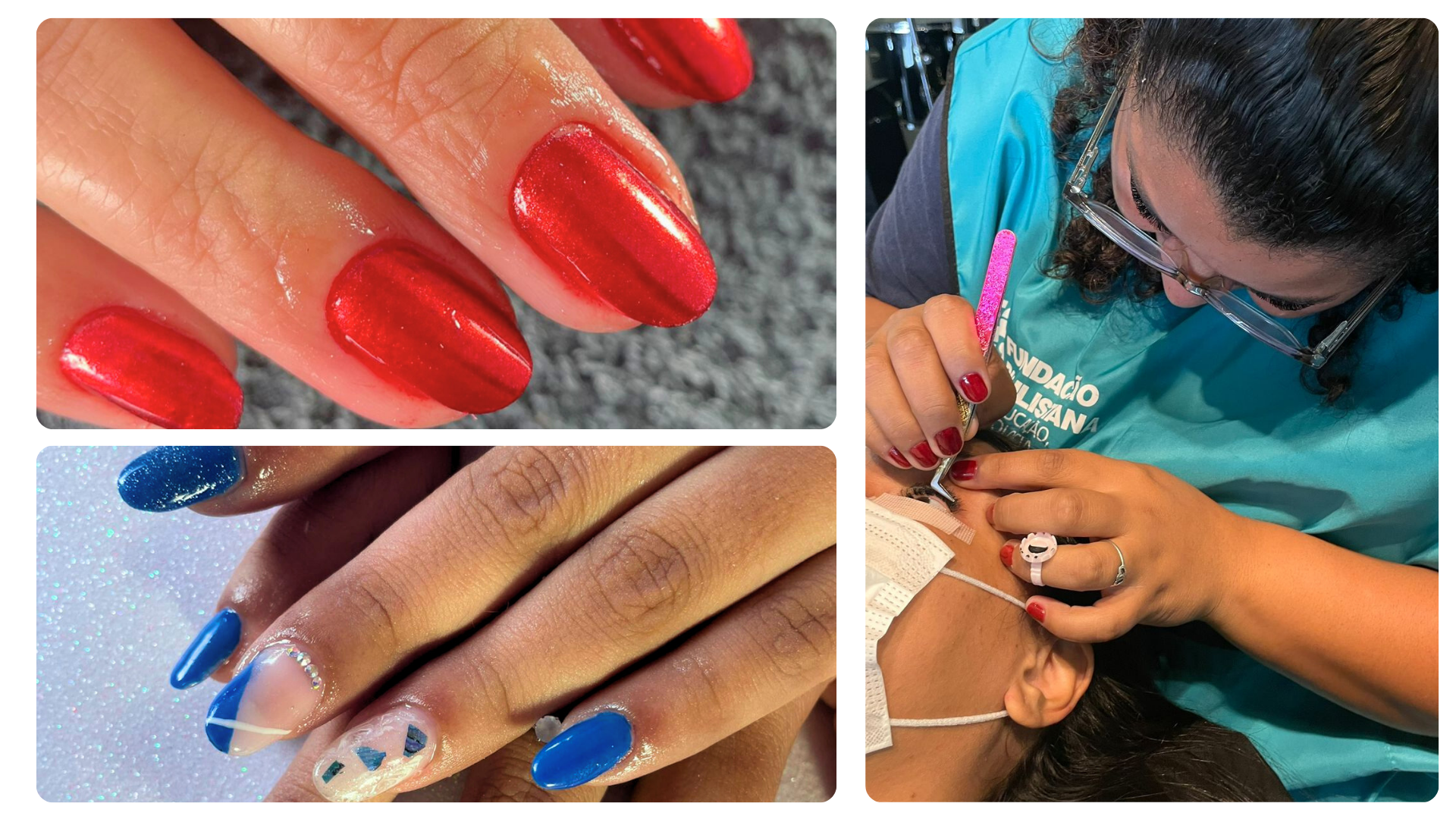
Our Income Area listens to these entrepreneurial mothers, and many inspiring stories pass through here. Businesses range from selling cakes to creating educational toys through crafts and working as nail designers. Many women turn hobbies into a source of income.

“The Income Area at Instituto C helps families identify strategies and possibilities for financial health and income growth,” explains Giovana Santos, income analyst at the Institute. With guidance from our team, mothers share experiences and receive advice on MEI registration, income transfer benefits, organization, and access to technical and higher education courses.

Carol Fontes, also an income analyst, emphasizes that women’s drive to generate their own income often comes from the responsibilities of maintaining a routine that requires flexibility, as they are often the primary caregivers in their families.

Mothers Who Saw Entrepreneurship as an Opportunity

Nathalia Stephanie, who lives with her daughter, is an example of a woman who combined a dream with work. She took a manicure course at Instituto C (in partnership with Acciona), which sparked her passion for the field and became a source of income. In a competitive market, Nathalia distinguished herself by offering home services, gradually reaching more clients in her neighborhood. Today, she works from her home studio and also teaches courses.

By boosting other women’s self-esteem, Nathalia found that the beauty industry allowed her to transform her family’s life and redefine how she sees herself as a woman. “Sometimes it’s just a nail, but it’s always more than that. My profession gave me faith and hope, and I pass that on to my clients,” she emphasizes.

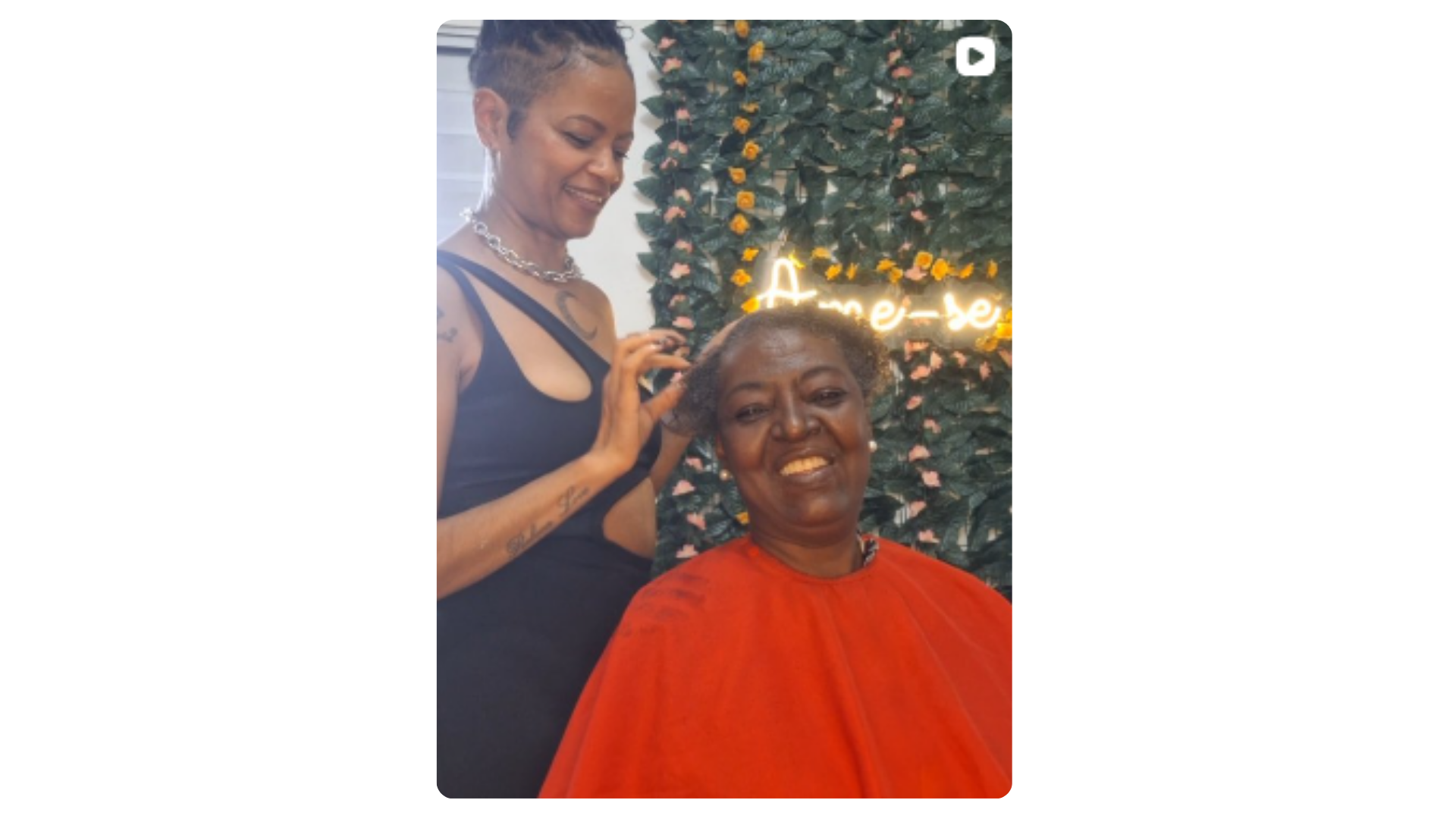
Similarly, Fátima Regina, who also lives with her daughter, found entrepreneurship through hairdressing. During the pandemic, she had to reinvent herself when salons closed, starting a new business selling books online. Passionate about reading, and inspired by her siblings who also sell books, Fátima now has a collection of around 2,000 donated books and views her business as a way to expand her knowledge.

New Perspectives in Entrepreneurship

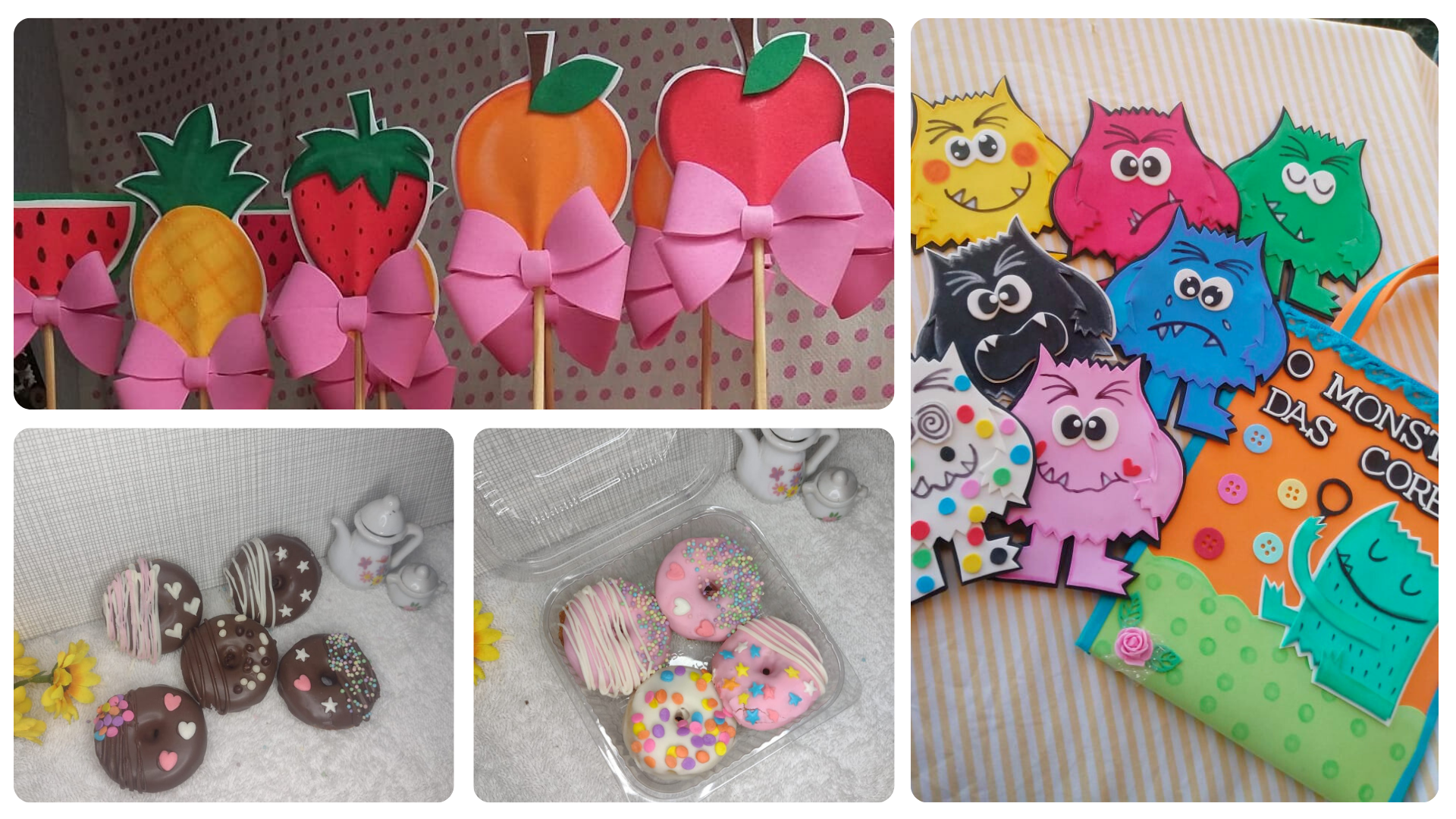
Vanessa Ferreira, a mother of two, turned her love of crafts into income. She creates everything from decorative cakes to educational toys and works from her home studio. Vanessa also sells mini donuts for extra income, finding that her craft work helps her occupy her mind, express creativity, and take care of herself. “While I’m working, I’m not just Vanessa, the mother; I’m myself, useful and able to express ideas,” she explains.

Natália Alves, mother of two daughters, runs a family business with her husband, selling clothing and baked goods. She appreciates the flexibility entrepreneurship provides, allowing her to care for her children, even bringing them along when needed. For atypical mothers, work must adapt to the routines of both them and their children.

“A Sense of Empowerment”

Entrepreneurship strengthens these mothers and fosters a sense of community beyond business. At Instituto C, many mothers navigate caregiving challenges while caring for their children’s health. Having their own business gives them a new perspective, helping them see themselves not just as caregivers but as women deserving of care and opportunity. “Many atypical mothers don’t have partners, so they need to believe in their potential and that they can live fully,” reinforces Natalia.

Despite the challenges, entrepreneurial women feel fulfilled and believe this path is possible for many mothers. Fátima adds, “Entrepreneurship is a leap, but for me, it’s more important to have freedom with my time and to do things when I want. It’s not easy, but it’s worth it.”

Eng

14 Years of Instituto C: A Story of Transformation Written by Many Hands

This October, Instituto C celebrates 14 years of a journey born from the desire to transform lives through social impact. In 2011, the project took shape with the resources available at the time, and the following year, services began—inside a garage in the Santa Cecília neighborhood. Today, Instituto C has supported more than 6,000 families through comprehensive care provided by services in nutrition, psychology, income generation, pedagogy, and rights advocacy.

Over the years, the Institute has undergone many transformations—expanding projects, strengthening partnerships, facing challenges, and reinventing itself every day to continue working with impact and responsibility. And during this entire time, more than 24,000 people have had their lives transformed by the work of our team. Likewise, every person who works here has also been impacted by the daily contact with families.

Those who have been here long enough have followed this trajectory closely, and they have much to share. That’s why we invited some of them to talk about this impact and share meaningful moments they have experienced with Instituto C and how their stories intertwine with its own.

From a personal dream to a collective cause

Looking back at everything Instituto C has built sparks deep pride—especially for those who planted the first seed. Vera Oliveira, founder and executive director of IC, recalls with emotion the day she opened the doors of the garage and took the first step toward turning her dream into reality.

She remembers having her family and close friends by her side—people who had listened to her doubts throughout the process:
“It was very special to see so many important people gathered there, believing in a dream, and I was genuinely happy about the start of a new path that represented the fulfillment of a project that came from the heart… I had no idea where it would lead, but it was enough to know I was contributing to a better world,” she says.

Today, she reflects on how this journey has also transformed her own life:
“I was just a girl when Instituto C began, and today I have my own family, a new perspective on the Institute, and it truly feels like a dream that becomes more possible every day,” Vera reflects.

For her, choosing a single meaningful moment from these 14 years is nearly impossible. Among the milestones she holds dearly are the move to the headquarters in Vila Buarque, the first time Instituto C received the Best NGOs award, and the expansion to the North Zone of São Paulo. Each of these achievements strengthened the IC mission and expanded access to care in territories that still struggle to access public policies.

A path built by those who practice comprehensive care

Many of the transformations over the years are reflected in Instituto C’s methodology. For those who work daily in direct service, there is something that has never changed: the focus on development, the commitment to network collaboration, and the approach centered on active listening. These pillars placed IC among the 100 best NGOs in Brazil for eight consecutive years.

Kátia Moretti is an example of someone who grew professionally within the Institute. She joined as a psychology intern in the income generation program and today is the project manager, leading the technical teams across the centers. For her, many moments have impacted her over nine years at IC, but the closing group sessions—when families complete their program—are always the most emotional:
“Those moments show the real impact of our work on the lives of each person who spent time with us,” she says.

Instituto C has a multidisciplinary team dedicated to welcoming each family’s story uniquely, as it should be, so that they can reach autonomy. Kátia says this individualized care is what touches her the most—whether in interactions with families or within the technical team. It’s no coincidence that the “C” in our name also stands for care.

Stories that intertwine with Instituto C

Flávia Almeida, administrative coordinator, is another person whose growth mirrors the Institute’s own evolution. For her, Instituto C is a transformative and fulfilling place to work. Having been part of the team since her internship, she says the experience has allowed her to better understand the vulnerabilities present in society—especially in the lives of children living with chronic illnesses and of neurodivergent mothers.

After so many years observing the organization’s development, Flávia’s eyes still light up when she talks about her journey. “I joined as a girl and today I’m a woman with many responsibilities, leading a team of very different people. Every day I learn more, I mature more, and I become more aware of the space I occupy at IC,” she says.

She notes that the impact of this journey extends far beyond her professional life. The work she does and the relationships she builds daily have deeply shaped her personal life as well. Without realizing it, Instituto C became intertwined with her story. During her years here, she got married, bought a home, bought a car, and became a mother—able now to provide her daughter with a better life. Each of these achievements carries the mark of a place that has become so meaningful.

Paloma Costa, institutional relations manager, also highlights many personal milestones since joining the Institute, where she found stability and growth. She shares that the expansion to the North Zone was an especially happy and symbolic moment. Raised in Brasilândia—the region where our center is located—by a single mother who worked tirelessly to raise three children with dignity, Paloma felt this moment deeply.

“Being part of Instituto C’s arrival in Brasilândia meant so much. It felt like giving back to my community the kind of care my mother and so many other women never had access to,” she recalls.

She reflects on how essential a support network like IC is for so many families—and how the absence of such a network shaped her mother’s life when she and her siblings were children. “There was no space like Instituto C, a place that welcomes, guides, and supports women in their many journeys. Watching my mother face everything almost alone left deep marks on me and shaped what I believe social transformation truly is,” she shares.

The future we continue dreaming together

Much has changed—and much will continue to change—but on anniversaries like this, our hopes are renewed and a path full of possibilities becomes visible. For Vera, the wish for the coming years is that Instituto C continues to strengthen its role within the social assistance field, becoming a leading reference in intersectoral work and in a holistic, person-centered approach as a real strategy to fight poverty.

Kátia hopes the Institute can reach even more families and impact more lives, by strengthening existing centers and expanding into new territories. Her wish is that we continue supporting families toward long-term autonomy, transforming realities in a sustainable way. Flávia shares the same hope, wishing for continuous growth and improvement of IC’s practices to generate more social impact.

Paloma adds:
“My greatest wish is for this work to reach many more families, with a financially sustainable model, and that, just like me, many people may have the chance to achieve their dreams.”

As it completes 14 years, Instituto C reaffirms its commitment to comprehensive care, family strengthening, and building sustainable pathways out of poverty.

We continue to believe that care transforms—and that, together, we can transform even more stories.

Eng

The barriers of inequality still prevent a happy childhood, but we can change that

October is Children’s Month, and although we would love to talk about the joys of childhood during development, the reality is still far from ideal. Even though conditions have improved in recent years, in Brazil, 28.8 million children and adolescents still live in multidimensional poverty. This is the result of inequalities in different areas—such as health, education, and access to leisure—that directly affect their lives.

It is within this context that we work with hundreds of families so that this number decreases and more children can grow up in a healthy way. Nayara Oliveira, institutional psychologist at Instituto C, emphasizes that the organization is committed to caring for children as a whole, which also includes the well-being of their caregivers: “Addressing childhood inequalities means providing comprehensive care—for children, families, and especially for those who care for them. Our work begins with attentive listening and the strengthening of primary caregivers, who are mostly single mothers and grandmothers responsible for daily care,” she explains.

Just like Instituto C, ChildFund Brasil also works with the purpose of empowering lives and reducing inequalities. Mauricio Cunha, CEO of the organization, reflects on how deeply poverty shapes children’s lives: “Childhood is a decisive period for physical, emotional, and cognitive development, and poverty compromises this process in profound and lasting ways.”

Professionals who work with children daily have an even clearer view of how inequalities affect different areas of their lives. Renata Souza, a psychologist at Instituto C, explains how a lack of resources can affect cognitive development. “Often, when we talk about poverty, we’re talking about children who don’t even have access to school or to adequate food… Which means they won’t be able to concentrate in the spaces they attend,” she explains.

It is essential to listen to what children have to say

One of the most sensitive aspects of working with children in vulnerable situations is addressing topics that affect their lives without diminishing their pain. This is part of Renata’s work, and she explains that she always tries to adapt themes to a child-friendly language so that they can understand and ask questions.

According to Renata, adults tend to normalize many things and stop questioning them, while children remain curious and sensitive. They understand what is fair and unfair, and they grasp the meaning of rights and responsibilities. When discussing topics such as social inequality, the psychologist says it is important to open a dialogue and listen to the stories children share—whether about themselves or their peers.

Education is also undoubtedly one of the most powerful tools for transforming realities. ChildFund understands that education—together with protection and family support—expands horizons and prepares children to break cycles of exclusion and vulnerability. “Education is present in our methodologies not as tutoring or formal instruction, but through activities related to financial education, life skills, play, and the encouragement and practice of reading,” says Mauricio.

Everything begins with public policies

Despite advancements in public policies for families in situations of social vulnerability—such as Bolsa Família and the Continuous Cash Benefit (BPC) for people with disabilities—we are still taking slow steps toward eradicating poverty and reducing inequality.

Instituto C understands that accessing rights is one of the key ways to reduce barriers faced by families. Nayara considers that progress has been made in designing protection and income transfer programs, such as the creation of the National Care Policy, which promotes shared social responsibility—and shared responsibility between men and women—in providing care, considering multiple inequalities. But it is still necessary to invest in sustainability and continuous funding for care and social protection policies, so that care ceases to be a private burden and becomes public infrastructure.

For ChildFund, actions such as proper funding for child-focused policies—especially in rural and peripheral areas—the strengthening of social protection networks with a focus on preventing physical, psychological, sexual, and institutional violence, and offering support to families, must be priorities when caring for children.

Furthermore, addressing the inequalities that affect childhood is only possible when public policies recognize care as both a right and a collective responsibility.

The collective responsibility to protect children

Just as Instituto C and ChildFund Brasil work in this mission, many other organizations also dedicate themselves daily to ensuring that children can develop free of barriers—but with collective effort, this mission becomes lighter. The public sector and social organizations play important roles in reducing childhood inequalities, but civil society is also an essential and indispensable ally in guaranteeing children’s rights.

During this Children’s Month, it is important to reinforce the invitation for everyone to take an active role in defending children’s rights—after all, this is a collective responsibility. This mobilization can begin with listening to and involving children and adolescents in discussions, and by valuing childhood as a priority. Only then can we ensure that future generations live in the best way possible.

Processed with VSCO with f2 preset
Eng

Social Assistance Network: coordination between public services and the third sector strengthens local territories

The guarantee of social rights begins with the information each person receives, and this is strongly connected to the territory they belong to. It is in these places where people face daily challenges, build relationships, and where they should also find the support needed to overcome situations of vulnerability. Instituto C understands that coordination among the social assistance network within the territories is what strengthens families through proper guidance and services.

It is important to understand that no service operates alone, and we need this integration to know how to guide each person according to their needs and the appropriate service that can support them. In the North Zone, where one of our centers is located, we can see in practice how this works and how it has made a difference.

In the Brasilândia region, the most populous neighborhood in the North Zone, the effects of inequality and vulnerability are strongly present. For this reason, CRAS, CREAS, UBS units, UPAs, and civil society organizations work collectively to meet some of the residents’ needs. After all, they share a common goal: ensuring social protection, health, inclusion, and dignity for all people.

Exchange of experiences and collective learning

Network meetings are moments of coordination among services and organizations, enabling important discussions and reflections on topics that influence the work of professionals. In one of the meetings, held at Instituto C in August, representatives from various services were present, including Rogério Andrade, from the LGBTI+ Citizenship Center Luana Barbosa dos Reis, which supports victims of LGBTphobia or people in situations of vulnerability.

Rogério reflected on the importance of sharing experiences from each service and how this helps the entire network handle different demands: “The struggles are very similar across the various services. It’s useful to think about which strategies can be shared so we can understand what works in my service that might help others deal with similar situations.”

Another institution in the network that works with young people is Espro. Luciano Duarte, a social coordinator, explains the value of this exchange: “The purpose of network coordination is precisely to allow us to do collective work with families. And then we are truly able to change their reality.”

The strength of the network lies precisely in how these services communicate. At Instituto C, one of our main approaches to guiding families toward autonomy is ensuring that they have access to information and understand their own rights. We also do this by referring them to services that can address the issues they bring to us.

Building a relationship of care

At Instituto C, based on our experiences, we understand that social change begins with listening and welcoming, so we can identify needs and coordinate with the network responsible for implementing public policies. This is why coordination among services is not merely a technical requirement of the Unified Social Assistance System (SUAS), but also a necessity for public policies to be integrated and effective in people’s lives.

“When we open ourselves up to listening to people, we begin to understand their stories and needs. That is why network work with the services is one of our pillars, because in the end, these connections are what allow public policies to become real paths of transformation in the lives of those who need them most,” explains Katia Moretti, Instituto C’s project manager.

In the daily work of our technical team, they observe how important it is to view the network through a collaborative lens. Suellen Claudino, a psychologist at the institute, explains that when we manage to work together—by making contact with CRAS, UBS units, schools, and other assistance services—we become a reference in the territory, and the work with families becomes much more effective.

Additionally, this collective coordination and attentive listening help break some of the fears and hesitations people may have when accessing services. “Families are not always well received when they are referred to assistance services, which can create a sort of barrier. When that happens, our role is to accompany the family, guide them, and say, ‘You can go—they will welcome you. You will be supported and strengthened, and we will be working together,’” Suellen shares.

When CRAS, CREAS, CAPS, UBS units, schools, community groups, and local leaders see themselves as part of a dynamic and collaborative network, it becomes possible to build more effective paths for protecting families in situations of social vulnerability. Real change only happens when the public sector, civil society, and the active participation of those who live in the territory work together.

Eng

35 years of SUS: a global reference, the system has brought the right to health to the entire population of Brazil

One of the public policies that brings Brazilians the most pride turns 35 today: the SUS. The Unified Health System (SUS) is one of the largest and most complex public health systems in the world, and through it, people living in Brazil have access to comprehensive healthcare, from pregnancy and throughout their entire lives.

Before SUS, health was not yet treated as a right for all, and the Brazilian healthcare system did not reach the entire population, excluding a significant portion of it. Access was mainly limited to people employed with a formal work contract, through the National Institute of Medical Assistance of Social Security (INAMPS). Those who did not contribute to social security had very restricted access to healthcare, usually through philanthropic organizations.

It was only with the beginning of Brazil’s redemocratization process and the 1988 Constitution that health began to be viewed with the importance it deserved. Article 196 of the Constitution states that “Health is the right of all and the duty of the State,” marking an important milestone that, shortly afterwards, led to the creation of a public and free healthcare system for the entire population.

Principles and functioning of SUS

SUS was officially created in 1990 through Laws No. 8.080 and 8.142, known as the Organic Health Laws, which established the system’s guidelines and structure. Currently, the system operates through three main bodies that ensure its functioning for the population.

The Ministry of Health serves as the national manager, formulating, regulating, monitoring, and evaluating policies and actions in coordination with the National Health Council. The State Health Secretariat helps develop health policies and actions, supporting municipalities in coordination with the state council, while the Municipal Health Secretariat works with the municipal council and the state level to approve and implement the municipal health plan.

Additionally, three principles form the foundation of SUS:

Universality: Health as a citizenship right for all, with the State responsible for ensuring this right. Access to services must be guaranteed to everyone, regardless of gender, race, or other personal or social characteristics.

Equity: Even though access to healthcare is guaranteed to all, people are not the same and therefore require different types of care according to their individual needs. This principle aims to reduce inequalities by properly treating people who need special care.

Comprehensiveness: The integration of actions such as health promotion, disease prevention, treatment, and rehabilitation helps the population lead healthier lives. This principle refers to the articulation of the healthcare network with other public policies across different areas to improve individuals’ quality of life.

Achievements of SUS over the years

Considered one of the best and most comprehensive health systems in the world, SUS stands out in several areas that make Brazil a reference. One example is the National Immunization Program (PNI), which offers free and large-scale vaccinations to eliminate or control diseases such as polio, measles, diphtheria, and tetanus, among many others that were once major public health concerns in the country.

Other highlights include the free distribution of several medications, including high-cost ones. Treatment for HIV/AIDS and chronic illnesses such as diabetes and hypertension is also provided to the population.

A great example of prevention and continuous care that yields results is the Family Health Strategy (ESF), which operates under the primary care model. This is also recognized by professionals who serve people using these services, such as Giovana Santos, a social worker at Instituto C, who considers the ESF a benchmark program.

“The Family Health Strategy has several functions, such as providing comprehensive and personalized care. It looks after the population’s health considering social, physical, and emotional aspects, not just the illness itself. Through health promotion and disease prevention, the Family Health Strategy aims to carry out pedagogical actions within communities,” Giovana highlights.

Beatriz Martins, a nutritionist at the Institute, also emphasizes the teamwork involved in this approach: “The teams work in an integrated way, which promotes broader access and strengthens the connection between families and health units. It is a highly successful policy.”

Little-known SUS services

Beyond the widely known services such as primary care at UBS units or urgent care at UPAs, SUS is also present in areas that are part of Brazilians’ daily lives. One of these is sanitary surveillance, carried out by the National Sanitary Surveillance System (SNVS), which inspects products, services, and environments to prevent health risks.

For those who cannot travel to a health facility, SUS offers the “Better at Home” program, which sends a team to patients’ homes. To access it, the patient must be referred by another team within the Healthcare Network (RAS), whether from a hospital, Primary Healthcare (APS), or emergency care.

Rehabilitation is also part of SUS, which provides prostheses, wheelchairs, and other resources for people with disabilities. Additionally, it maintains Specialized Rehabilitation Centers (CER), which offer multidisciplinary follow-up. To access these services, patients must seek a UBS.

Challenges of the system

Despite its well-deserved recognition, SUS still faces many challenges, mainly related to public management and the misadministration of health resources. This directly affects everyone who needs its services, who often face long waiting times or barriers to access.

For Giovana, focusing on preventive care is more effective within the public system: “If the public resources allocated to SUS focused on care, prevention, and health promotion, fewer people would become ill, require hospitalization, or need expensive exams and medications,” she reflects.

Geographic location also remains a barrier preventing people from receiving certain types of care, as many hospitals and more complex treatments are located in large cities. “Some populations living in remote or distant regions have difficulty accessing these services. And richer capitals have faster and broader access,” explains Beatriz.

In this context of limited access, social organizations are strong allies in connecting people to health services that are their right.

Social organizations as allies of SUS and the population

Instituto C and many other organizations act as tools that connect people to services. Our technical team provides support to numerous families with children receiving treatment through SUS, working to make the process more accessible through clear information.

“At the Institute, for example, we reinforce the political role of the families we serve. Considering the Institute and other NGOs I know, I believe they are all very aligned with the idea of social rights,” Giovana emphasizes. In addition to organizations working with families outside healthcare facilities, community organizing within local territories is also essential to ensure the system’s principles continue to be upheld.

One of these organizations’ key roles is working in territories that lack more active services, as Beatriz points out: “They play a very important role in expanding access, especially in regions where the Unified Health System cannot reach.”

The work we do at Instituto C—alongside many other dedicated organizations—is also a way of strengthening SUS and ensuring people can exercise their health rights.

Now, we want to take this care and this bridge between families and health services even further, and we will do so by expanding our work to a new municipality. With a contribution starting at 10 reais, you can take part in this transformation and help us reach new families. Click the image and join us in taking this next step!

Eng

Instituto C on Globo: We Participated in Domingão com Huck and Shared an Emotional Journey Together

As you may have seen on our social media, Instituto C participated this past weekend in Domingão com Huck, in an emotional and eventful moment on the segment The Wall. Our participation featured three very special people in the history of the Institute who truly represent all the work we do.

Vera Oliveira, founder and executive director of Instituto C, was in charge of releasing the green and red balls that determined our final prize. Thais Barbosa, our board member, answered the challenging questions on the wall. Cheering us on and representing the families we serve was Grazi, who was once assisted by the Institute and is now part of our team. Also present were Marcos, Vera’s husband, and Nilzete, Thais’ mother, both sending positive energy to our representatives.

Anyone who watched the show could feel the adrenaline of the battle against the wall for the prize. With lots of twists and turns, in the end our board member made the right choice, and Instituto C walked away with over R$190,000. This amount will help us reach our R$350,000 goal to expand our work to a new municipality.

From a Letter to Luciano to the Domingão Stage

Fifteen years ago, Vera wrote a letter to Luciano Huck expressing her desire to work on the show Lar Doce Lar—a segment of Caldeirão do Huck that renovated homes. When she received a reply from Luciano suggesting she work in the third sector, she found the answer somewhat unexpected and didn’t think it aligned with what she wanted to do. But in time, she realized that this path could truly make a difference in many lives—including her own. That was the seed that grew into Instituto C.

For the founder of IC, being on the stage of Domingão com Huck was a mix of emotions, since Luciano’s reply to her letter had been the push she needed to find her purpose. She says she was already very emotional before even stepping on stage, but the end of the segment made it even more special: “The moment we left the recording, we already knew the show was going to be beautiful.”

During the show, Vera also shared the story of the letter with Luciano and how it influenced her decision to create the Institute and spread care to so many families. Today, she hopes to grow that impact even further, reaching more families in different parts of the country.

“I think this is a milestone in IC’s history. It was amazing, and I truly believe this will open doors for us to be present all over Brazil,” she says.

Strong Partnerships from the Start

Some people have been part of Instituto C’s story from the beginning—and Thais is one of them. Now a board member, she was the first social worker at IC and helped implement our methodology. Her excitement at being part of another special moment was clear during the show, further highlighting how vital people like her are to our mission. “I joined IC in 2012. There were only three of us. It was challenging for someone newly graduated, but I love challenges and was determined to make it happen,” Thais says.

Since then, she has worked as a social worker and currently also works in primary healthcare, supporting many people. She believes IC’s work is essential in guiding and making public policies more effective in families’ lives. “Our mission is to care for people—with love, respect, and belief in their potential,” she emphasized during her final remarks on the show.

Families Are the Foundation of Instituto C

Among the over 6,000 families supported by IC, Grazi’s story is a powerful example of that care. She came to IC after going through a difficult time when her premature twin sons were born while she was on a trip to São Paulo. At the Institute, she found strength and learned about the rights she and her children had.

“When I started receiving support from IC, I had no hope, no future vision. I was exhausted, drained, and scared. But through the support, I grew stronger and gained knowledge about many aspects of life in the group discussions,” shares Grazi, who is now a social work intern at the Institute.

She is a great example of how access to knowledge and a listening ear can change someone’s reality. Grazi says she never imagined she would finish school, but now she’s already planning to pursue a postgraduate degree. She also shared how it felt to represent the over 6,000 families supported by IC on the Domingão stage: “It was very emotional, it was beautiful to see the reach and now the results of all of this.” We’re proud to tell her story and now have her on our team as an inspiring colleague.

Beyond the prize, The Wall also helped us see the incredible network that supports and cheers for our work. We were thrilled to see so many people watching and rooting for Instituto C!

It was wonderful to feel all the affection from those who follow Instituto C. Now, to add to the amount we won on the show and reach our goal of expanding to a new municipality, we’ve launched a donation campaign—and you can contribute starting from just R$10 by clicking the button below!

Eng

Child Development at Your Fingertips: Check Out Instituto C’s Early Childhood Guide

Early childhood is one of the most important phases in human development. For children aged 0 to 6, it’s a time of discovery and rapid skill-building, while for caregivers, it’s a daily challenge to manage the many areas that require attention. With this in mind, we developed a guide featuring over 30 tips—covering everything from the importance of play to promoting healthy eating habits.

At Instituto C, the child is not just in our name—they are our priority. Childhood is the moment to act carefully and deliberately to break cycles of poverty, reduce inequality, prevent violence, and build a healthier, fairer society. This is a message also echoed in the content by the Maria Cecilia Souto Vidigal Foundation and in our own blog article.

Katia Moretti, coordinator of the Institute’s community centers, believes the guide strongly reflects our mission:
“Instituto C has, at its core, the commitment to bring accessible information to families in socially vulnerable situations—many of whom don’t have access to the correct resources. This guide is closely aligned with our work in protecting children.”

You can’t talk about children without talking about their rights—and that’s our daily focus, both in our work and in the guide. We understand that all aspects of a child’s life are tied to the rights guaranteed to them, such as access to quality education, healthcare, the right to play, and many others outlined in the Statute of the Child and Adolescent (ECA), which continue to shape every individual’s life.

Combating Inequality for a Healthy Childhood

Much like our multidisciplinary work at the Institute, the guide also branches into many different areas, all interconnected. Our cross-sector approach is reflected in this material, which is primarily focused on guidance and support. “Instituto C works in multiple areas simultaneously, and the guide really brings this multidisciplinary aspect together,” emphasizes Katia.

Caring for children is a collective responsibility, which means this type of work must expand and reach more people. In this context, we face the daily challenge of reducing inequality through greater access to essential rights—especially in health and education—so that all children can share the same experiences and opportunities.

In our experience, socioeconomic inequality is one of the main barriers preventing children from accessing their rights during early childhood.
“Early childhood is when inequality most impacts development—but it’s also when the right interventions can be the most powerful and transformative in a child’s life,” says our project manager.

Another issue Katia highlights is the lack of support networks for families in vulnerable situations. She believes that we must view the family as the foundation for nurturing early childhood development and building social justice from birth onward.

A Guide for Everyone

We designed this guide to support both professionals working with children and caregivers who may not yet be familiar with this topic. For families, the guide is an informative tool that reinforces the importance of looking more attentively and affectionately at early childhood—since not everyone is aware of just how crucial this stage of life is.

“Because it includes information from different areas, in accessible language, and offers practical tips for interacting with children, the guide helps people realize how essential it is to care deeply for early childhood,” adds Katia.

For professionals, the guide can serve as a reference for training sessions or activity planning. It can be used directly with children or to educate other professionals and caregivers who work with early childhood.

Access to Services for Children

The guide also includes key public services that are essential to children and available to all. These services are designed specifically to protect and promote children’s rights, prevent violations, and ensure proper care. The more families and professionals know about these services, the more protected early childhood becomes—and, as a result, children can grow and thrive more healthily.

“We dream of a world where all children can develop to their full potential, starting in early childhood.”

We hope this guide becomes a valuable tool in the daily lives of families, caregivers, and institutions working with young children.

Click the banner below to download the full document and use it in the way that best suits your needs!

Eng

Green August: Early Childhood Must Be a Priority in Big Cities

Early childhood is a phase of life characterized as a crucial stage of human development. This period lasts until the age of six and is when children begin to develop many skills, such as motor abilities, language communication, and the ability to express emotions. In August, the color green symbolizes the fight for deeper discussions about early childhood and the importance of public policies during this stage.

Quality time with parents, access to healthcare, education, and nature are some of the key pillars during this phase. However, these aspects are often compromised by the lifestyle in large urban centers. In these environments, several factors can directly impact child development, as explained by Noaly Avenoso, psychologist at Instituto C:
“Excessive overstimulation, the stress of urban environments, and the lack of accessible services in health, education, and leisure for families living in more precarious conditions can hinder early childhood development.”

Despite its importance, early childhood still lacks the visibility it deserves. That’s why institutions like the Maria Cecilia Souto Vidigal Foundation, which work to promote early childhood development, are crucial allies in this conversation. “It’s a slightly better-known topic now, but we still see a need for it to be widely understood by society and public policy stakeholders so that it can be prioritized,” points out Karina Fasson, public policy manager at the foundation.

A City Designed for Childhood

During the first years of life, a child’s brain is developing and can make up to one million neural connections per second. This is the moment when the spaces children occupy must offer a safe and age-appropriate environment. In cities, this is still a work in progress—whether it’s in the form of playgrounds, play centers, or museums including children’s programming in their schedules.

“Children must be prioritized in the budget. If they are prioritized in public policy, they must be included in financial planning too,” explains Karina. She also stresses that cities should see children as individuals who require care across multiple areas—emphasizing the importance of intersectoral approaches.

In São Paulo, for instance, despite visible social inequalities, there are already initiatives aimed at strengthening early childhood development, such as the Municipal Plan for Early Childhood. This document sets goals like “making the city’s environment more welcoming for children aged 0 to 6” and “ensuring access to quality healthcare services for pregnant women and children from 0 to 6 years old,” with the objective of promoting a full, stimulating, and healthy early childhood for children in the municipality.

The plan also presents an overview of early childhood in São Paulo, showing that Brasilândia is one of the neighborhoods with the highest number of children aged 0 to 6. It is also where Instituto C’s North Zone Hub is located, where we work with families through services in education, income generation, psychosocial development, nutrition, health guidance, and rights advocacy.

It’s Important to Remember: Children Are Citizens Too

The most important point in making early childhood a priority is recognizing that children are also citizens, and many public decisions affect their lives. Despite progress over the years—especially since the creation of the Child and Adolescent Statute (ECA)—children living in socially vulnerable conditions still face challenges growing up without the necessary support.

Karina, from the Maria Cecilia Foundation, emphasizes that early childhood education must be treated as a top priority: “we need to ensure access to quality early education for all children, especially those already in vulnerable situations.”

In this context, the work of organizations like Instituto C serves as a tool to help families improve their children’s quality of life. As psychologist Noaly points out, our work strengthens the bond between families and their local communities. We prioritize access to information through guidance in health, education, psychology, and nutrition to understand each family’s unique reality and support their rights.

Support Networks in Early Childhood

In Instituto C’s day-to-day work, mothers are always present. We understand that caring for them is also essential to supporting their children’s development. That’s why we believe they need a strong support network—to care for their children and themselves at the same time. We provide this through our thematic support groups, where we address topics that are part of their daily lives and help strengthen their relationship with their children. This support network not only benefits the caregiver—it also makes a real difference in the child’s life.

When discussing early childhood in this context, we must highlight that access to daycare is essential both for children’s development and for building this support network. But it’s not just about offering a daycare spot, as Karina explains: “It’s not enough to have a spot. Early childhood education must integrate both care—which is fundamental at this life stage—and education, in an inseparable way.”

Working directly with families, our psychologist sees firsthand the impact of this support network in their lives:
“The support network is essential for early childhood in every aspect. Daycares and schools, beyond their educational role, also foster social, emotional, motor, cognitive, sensory development—and many other areas that, as the child grows, will make a significant difference in their lives,” concludes Noaly.

Eng

35 Years of the ECA: The Statute That Guides Our Care for Children and Adolescents

The rights of children and adolescents are what ensure a fairer society that promotes the growth of all people without causing them harm. In practice, we are still on the path to achieving this ideal, but many things have changed over the years to guarantee a better quality of life for the young—such as the creation of the Statute of the Child and Adolescent (ECA) in 1990, exactly 35 years ago.

The ECA is a very important tool for ensuring rights, guaranteeing that children and adolescents have access to healthcare, education, leisure, and protection from violence, among other provisions. Over the years, the statute has evolved to meet the needs of the times, which is why society must remain vigilant to ensure that these rights are respected and protected.

Among the ECA’s provisions is the collective responsibility to guarantee children’s rights. It begins within the family, with the duty to provide care, affection, protection, and development. It extends to schools and the State, which must ensure access to quality education and healthcare, and also involves society as a whole, which bears the responsibility of paying attention to and respecting children and adolescents.

The ECA is also essential in preparing future adults to be conscious citizens who understand their role in society, as emphasized by Armando Hussid, a legal advisor and president of the Municipal Council for the Rights of Children and Adolescents (CMDCA/SP): “Protection and care for our children and adolescents are essential for them to be able to fully participate in society in the future.”

What Has Changed with the ECA?

The enactment of the Statute was a major step forward in helping society view children and adolescents with a greater focus on protecting their integrity. “Before the ECA, the Code of Minors, which was in effect during the military dictatorship, saw ‘minors’ as being in an ‘irregular situation’ and focused on punishment, not protection,” explains Armando.

Since then, there have been advances such as the strengthening of the Guardianship Council, expanded access to education and early childhood services, income transfer programs, and increased engagement from civil society in defense of childhood. Yet, there is still progress to be made to ensure the statute is fully implemented.

That’s why the ECA is constantly evolving and adapting so that children’s and adolescents’ rights align with changes in society. To illustrate, here are some of the most recent and important updates for us as citizens:

Mandatory Reporting of Disappearances: In 2024, a new amendment addressed caregivers’ responsibility for children’s safety. It introduced penalties for parents or legal guardians who willfully fail to report the disappearance of a child or adolescent to authorities.

Safety in Educational Spaces: Another recent amendment concerns schools and similar institutions working with children and adolescents. These establishments must now maintain up-to-date registration files and criminal background checks for all staff members.

Support for Victims of Violence: Also in the same year, a new provision was added to the policy guidelines section, ensuring medical, psychosocial, and preventive services for victims of neglect, mistreatment, exploitation, abuse, cruelty, and oppression, as well as for children and adolescents whose parents or guardians are victims of serious violence or are incarcerated.

These changes help us act as agents of well-being for children and adolescents, with the ECA serving as the starting point and guiding framework for their protection.

A Collective Responsibility

Civil society organizations like Instituto C play a vital role in promoting the rights outlined in the ECA. Through our services and activities in the fields of welfare, education, psychosocial support, and nutrition, we take a proactive and preventive approach to guaranteeing rights, with the goal of enabling socially vulnerable children and adolescents to grow up without having their rights violated.

According to Lucas Pisciotta, a social worker at Instituto C, “The third sector is a crucial bridge between public policy and the population, especially in areas where access to rights has historically been denied or weakened. We work in a complementary role to the State, often being the first point of listening, support, and relationship-building.”

With our multidisciplinary team, we recognize the family as the foundation of healthy development, so we work with all family members to help them understand the importance of caring for childhood. This network-based collaboration is key to enabling society to monitor areas where public authorities may not be as actively present.

CMDCA President Armando Hussid also stresses that we, as a society, must not view rights only in terms of protection from violations, but also as a guarantee of the conditions necessary for children and adolescents to fully develop and eventually exercise their own rights.

The ECA in the Daily Practice of Social Assistance

The ECA was created to recognize children and adolescents as full rights-holders and to establish comprehensive protection as a fundamental principle. “At Instituto C, we hold reading and discussion sessions on the ECA with the young people themselves, helping them learn about their rights and responsibilities, expanding critical thinking and citizenship from an early age. It’s a tool for empowerment and social transformation,” explains Lucas.

“The ECA reinforces our role as network connectors, as trained listeners, and as defenders of human dignity.”

The statute guides every stage of our work—from the initial intake to coordination with service networks. Every case, home visit, conversation with schools or social service centers is rooted in this commitment. It is not just a legal document—it is a powerful tool we use in our everyday practice.