Eng

Culture of Giving: Brazilians Are Synonymous with Generosity, but We Can Go Even Further

The culture of giving is a collective construction that brings together values and practices encouraging individuals and companies to contribute voluntarily to social, environmental, cultural, and other causes. Social awareness and collective engagement awaken giving as a natural behavior, making this gesture part of our responsibility as a society.

We are among the most generous countries in the world, reflecting how Brazilians are always willing to help one another. A 2024 survey by the Institute for the Development of Social Investment (IDIS) found that individual donations in Brazil reached R$24.3 billion last year. The survey analyzed institutional monetary donations made to NGOs, campaigns, or socio-environmental projects.

João Paulo Vergueiro, Director for Latin America and the Caribbean at Giving Tuesday, notes that Latin Americans have a cultural inclination toward generosity: “In general, our Latin American and Caribbean populations are very generous. We have a culture of solidarity within families, communities, churches, clubs, neighborhood associations, and samba schools.”

Other data from the survey help us understand the donation landscape in Brazil. For example, the average annual individual donation increased from R$300 in 2022 to R$480 in 2024. Many donors adopt a strategic approach: 83% seek information before contributing, and 86% carefully choose the causes they support.

Barriers to Giving

For social organizations that rely on donations to operate, there is still potential to attract more contributors. João Paulo explains that people tend to donate to causes close to their lives, such as health, education, and childhood. This “closeness” helps to sensitize donors.

The IDIS survey also shows that people donate more in emergencies, like the tragedy in Rio Grande do Sul in 2024. Extreme events mobilized half of Brazil’s population to give last year, but also raised concerns about fraud. With so many collection points, it became hard to distinguish between scams and legitimate causes—a constant concern for donors.

Paloma Costa, Institutional Relationship Manager at Instituto C, observes how distrust still affects donations: “This generalized distrust creates an emotional and rational barrier when donating. Transparency, accountability, and clear communication are essential to rebuild trust.”

Another challenge is fostering a sense of collective responsibility, encouraging people to contribute to societal development. Organizations like Instituto C address this through content that informs and demonstrates how the nonprofit sector positively impacts families.

Encouraging Generosity

Promoting giving as a continuous action is challenging but achievable through initiatives that show its impact on beneficiaries’ lives. Donating also shares a privilege one once received, helping reduce inequalities.

Ideally, donations should become part of a person’s life, like a monthly priority, reflecting causes that impact social well-being. Paloma emphasizes, “It’s crucial to show people that by contributing, they are not only helping temporarily but expanding access to rights that many lack, transforming solidarity into active citizenship.”

One way to integrate giving into daily life is through tax incentive laws, like donating part of income tax to sports, social, and cultural projects, or programs like Nota Fiscal Paulista, which allow contributions to registered organizations. Raising awareness about such initiatives encourages donations.

Giving Benefits Everyone

Donating has many benefits, including for the donor. João Paulo reflects, “The act of giving fulfills the donor because they know they are sharing the responsibility to make a difference in society.”

In English, the phrase “give back” captures this sentiment. In Portuguese, it reflects gratitude for the chance to positively impact the lives of people and institutions in need. Overall, donating creates a sense of satisfaction and happiness, as research confirms. “Giving tends to make people feel more at peace with themselves and the society, understanding that they are doing their part for a better world,” says João.

Giving Tuesday

Giving Tuesday is a global initiative promoting generosity and the culture of giving. This year, it takes place on December 2nd, when organizations and individuals mobilize to collect donations for specific causes or NGOs working on diverse issues.

João Paulo is a pioneer of Giving Tuesday in Brazil, recognizing it as one of the countries where the movement has spread most. Campaigns operate in various ways, through organizations or community-led initiatives. The current challenge is to reach more people and “break the nonprofit bubble.”

Collective mobilization is already making a difference and will continue to do so. João emphasizes, “Giving Tuesday is about generosity, about doing good. Every form of generosity is valid on this day, and you can express it in any way as long as it does good.”

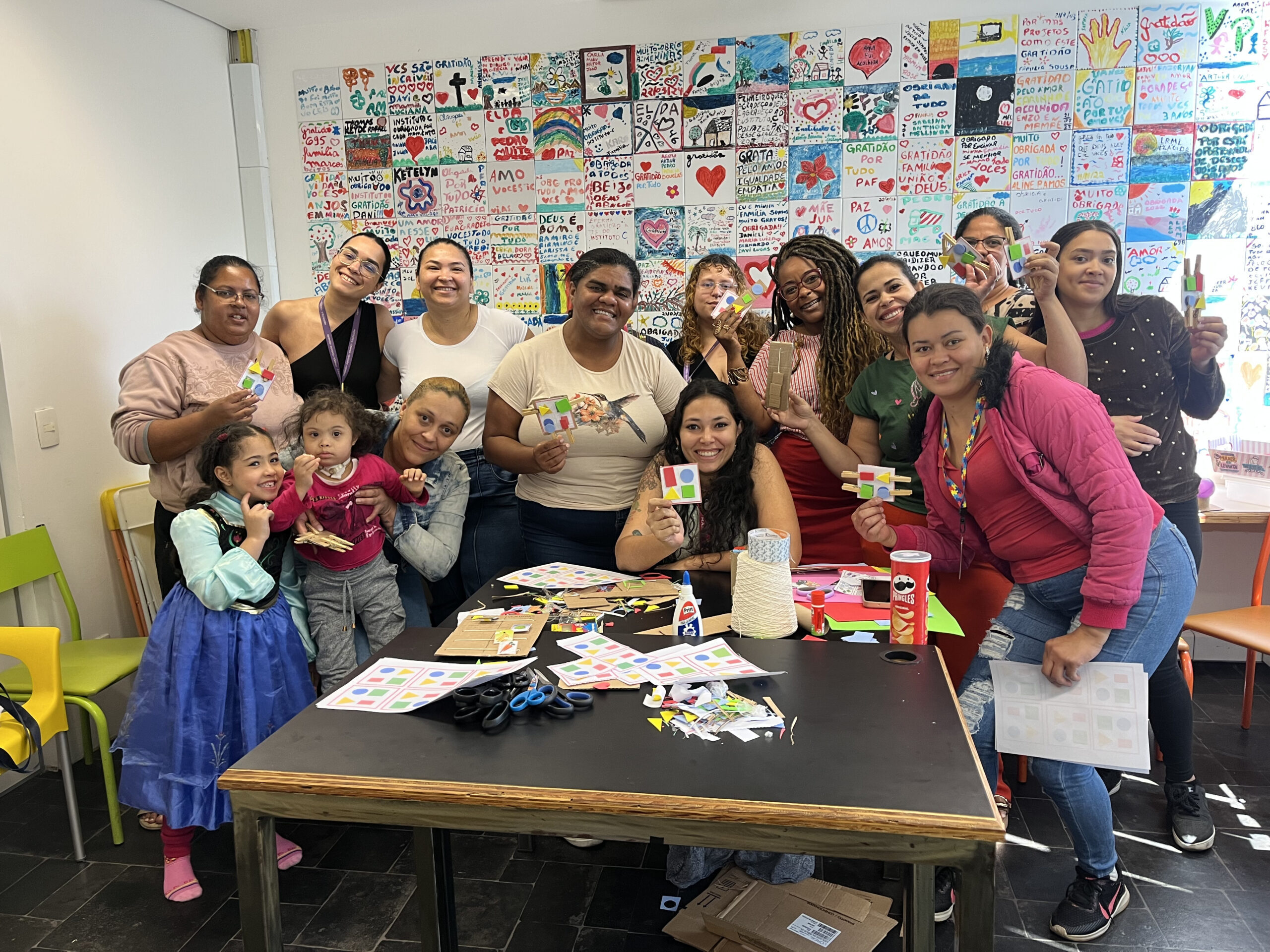
At Instituto C, we invite you to join us this Giving Tuesday to help hack inequalities and expand care for hundreds of families. At IC, we remove obstacles preventing vulnerable families from achieving full citizenship, such as lack of access to information about rights, absence of support networks, and low self-esteem. Click the button below to learn how to donate.
Eng

Women’s Empowerment: How Entrepreneurship in the Peripheries is Transforming the Lives of Mothers and Families

Entrepreneurship among women in peripheral communities is growing stronger and shows just how much this type of work has transformed families. Women are investing in different areas to create their own businesses, especially in the neighborhoods where they live, where the demand for services comes from within the community itself. In 2024 alone, women accounted for 34% of entrepreneurs in sectors such as services, commerce, and technology across the country. In favelas, women lead 60% of enterprises, according to research by Investe Favela.

For mothers, entrepreneurship provides the opportunity to manage their own work schedules, which is especially important for those caring for atypical children. At Instituto C, many entrepreneurial mothers balance caring for their children with autonomous work. Despite the obstacles, they achieve financial independence and regain self-esteem through their work at home. This also strengthens the family, as mothers gain access to new opportunities and resources.

Challenges of Entrepreneurship in Peripheral Areas

Even with the growth of entrepreneurship among women in peripheral communities, many still face barriers that hinder professional growth. According to our income analysts Carol and Giovana, one of the biggest challenges they face is limited access to financial resources, especially for entrepreneurs in the food and beauty sectors, who need to invest in order to see positive results.

Lack of access to the necessary knowledge to formalize a business is another obstacle. One of our roles is to provide information so women understand their rights as entrepreneurs, whether through registering as a MEI (Individual Microentrepreneur) or other public initiatives.

Moreover, entrepreneurship is very common in peripheral areas, which creates strong competition among entrepreneurs. This requires women to find new ways to develop their businesses to stand out and reach their audiences.

It is also important to remember that many mothers start businesses out of necessity, not always choice, which can prevent them from seeing themselves as entrepreneurs. This necessity stems from needing income while maintaining flexibility. “It’s not about an entrepreneurial mindset; it’s about vulnerability,” explains Giovana.

Income Generation at Instituto C

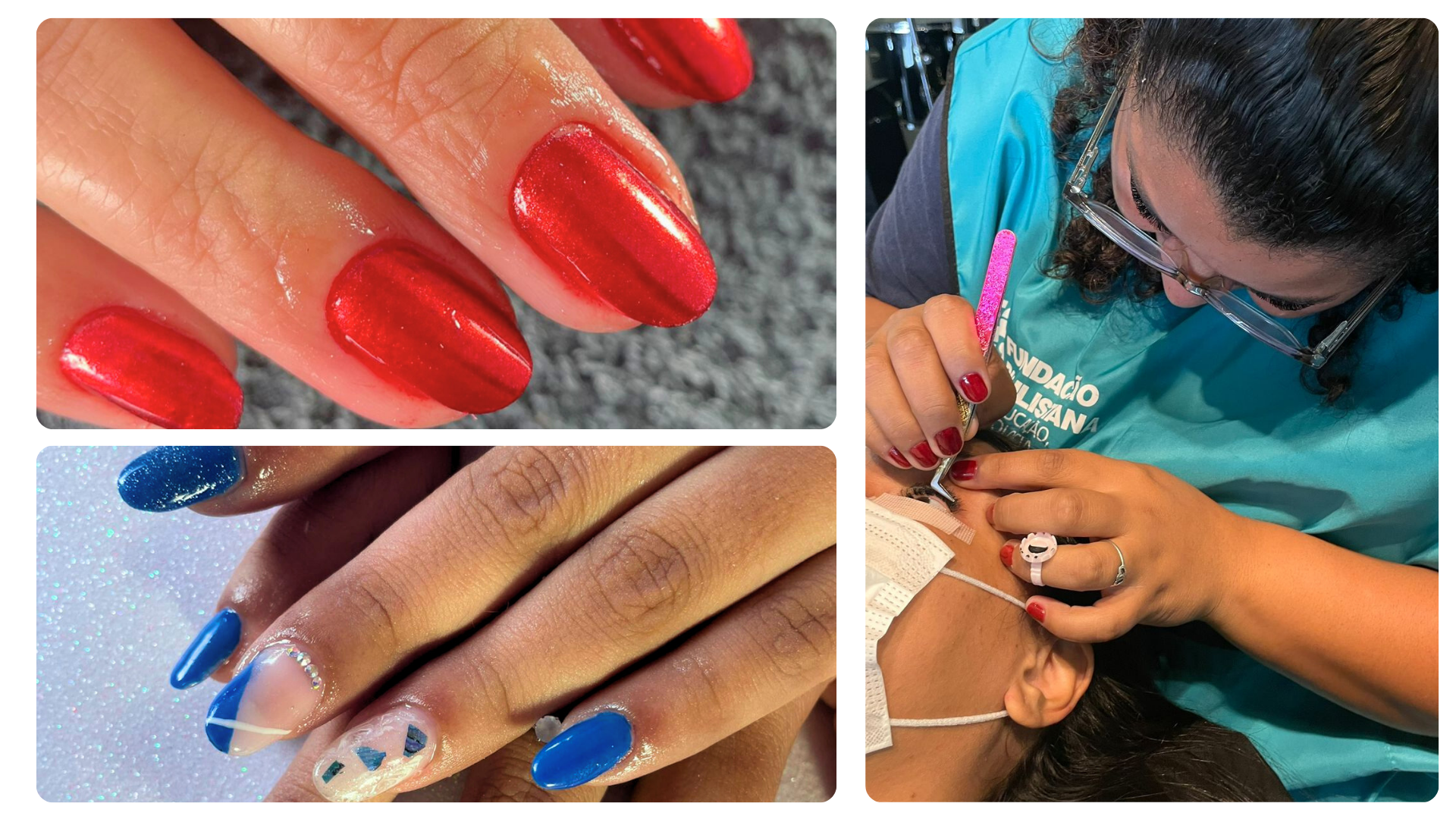
Our Income Area listens to these entrepreneurial mothers, and many inspiring stories pass through here. Businesses range from selling cakes to creating educational toys through crafts and working as nail designers. Many women turn hobbies into a source of income.

“The Income Area at Instituto C helps families identify strategies and possibilities for financial health and income growth,” explains Giovana Santos, income analyst at the Institute. With guidance from our team, mothers share experiences and receive advice on MEI registration, income transfer benefits, organization, and access to technical and higher education courses.

Carol Fontes, also an income analyst, emphasizes that women’s drive to generate their own income often comes from the responsibilities of maintaining a routine that requires flexibility, as they are often the primary caregivers in their families.

Mothers Who Saw Entrepreneurship as an Opportunity

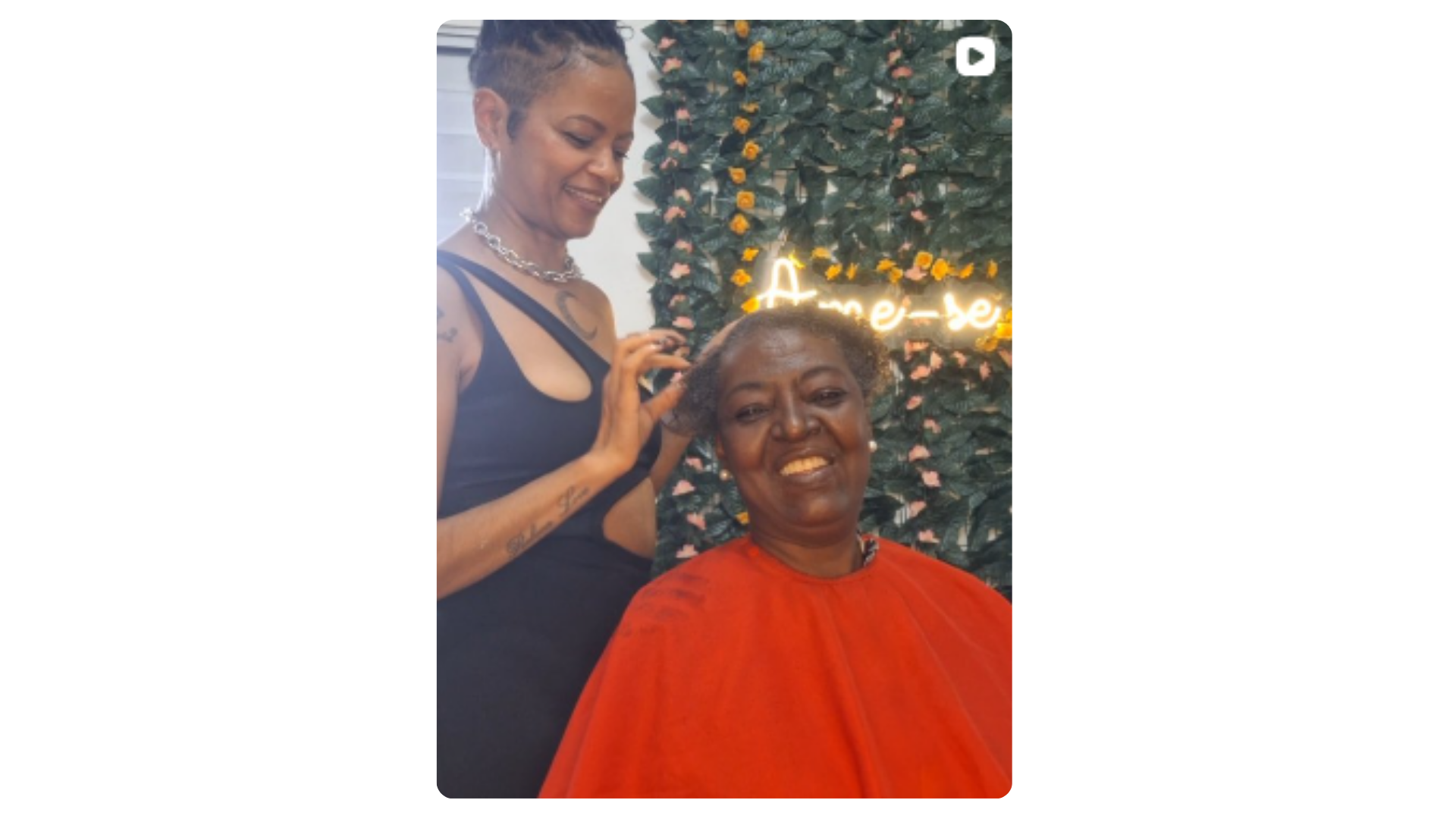
Nathalia Stephanie, who lives with her daughter, is an example of a woman who combined a dream with work. She took a manicure course at Instituto C (in partnership with Acciona), which sparked her passion for the field and became a source of income. In a competitive market, Nathalia distinguished herself by offering home services, gradually reaching more clients in her neighborhood. Today, she works from her home studio and also teaches courses.

By boosting other women’s self-esteem, Nathalia found that the beauty industry allowed her to transform her family’s life and redefine how she sees herself as a woman. “Sometimes it’s just a nail, but it’s always more than that. My profession gave me faith and hope, and I pass that on to my clients,” she emphasizes.

Similarly, Fátima Regina, who also lives with her daughter, found entrepreneurship through hairdressing. During the pandemic, she had to reinvent herself when salons closed, starting a new business selling books online. Passionate about reading, and inspired by her siblings who also sell books, Fátima now has a collection of around 2,000 donated books and views her business as a way to expand her knowledge.

New Perspectives in Entrepreneurship

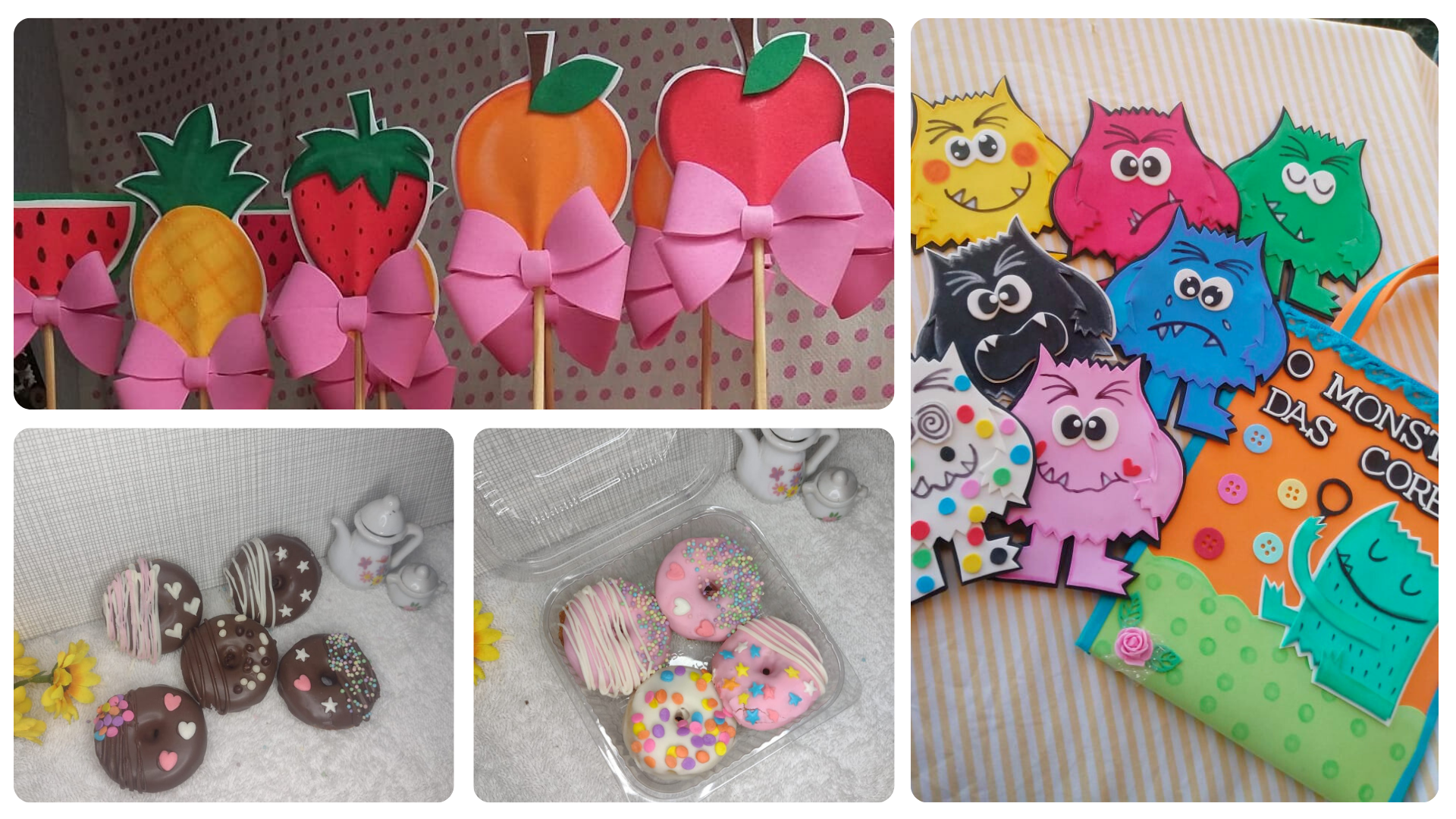
Vanessa Ferreira, a mother of two, turned her love of crafts into income. She creates everything from decorative cakes to educational toys and works from her home studio. Vanessa also sells mini donuts for extra income, finding that her craft work helps her occupy her mind, express creativity, and take care of herself. “While I’m working, I’m not just Vanessa, the mother; I’m myself, useful and able to express ideas,” she explains.

Natália Alves, mother of two daughters, runs a family business with her husband, selling clothing and baked goods. She appreciates the flexibility entrepreneurship provides, allowing her to care for her children, even bringing them along when needed. For atypical mothers, work must adapt to the routines of both them and their children.

“A Sense of Empowerment”

Entrepreneurship strengthens these mothers and fosters a sense of community beyond business. At Instituto C, many mothers navigate caregiving challenges while caring for their children’s health. Having their own business gives them a new perspective, helping them see themselves not just as caregivers but as women deserving of care and opportunity. “Many atypical mothers don’t have partners, so they need to believe in their potential and that they can live fully,” reinforces Natalia.

Despite the challenges, entrepreneurial women feel fulfilled and believe this path is possible for many mothers. Fátima adds, “Entrepreneurship is a leap, but for me, it’s more important to have freedom with my time and to do things when I want. It’s not easy, but it’s worth it.”