
14 Years of Instituto C: A Story of Transformation Written by Many Hands
This October, Instituto C celebrates 14 years of a journey born from the desire to transform lives through social impact. In 2011, the project took shape with the resources available at the time, and the following year, services began—inside a garage in the Santa Cecília neighborhood. Today, Instituto C has supported more than 6,000 families through comprehensive care provided by services in nutrition, psychology, income generation, pedagogy, and rights advocacy.
Over the years, the Institute has undergone many transformations—expanding projects, strengthening partnerships, facing challenges, and reinventing itself every day to continue working with impact and responsibility. And during this entire time, more than 24,000 people have had their lives transformed by the work of our team. Likewise, every person who works here has also been impacted by the daily contact with families.
Those who have been here long enough have followed this trajectory closely, and they have much to share. That’s why we invited some of them to talk about this impact and share meaningful moments they have experienced with Instituto C and how their stories intertwine with its own.
From a personal dream to a collective cause
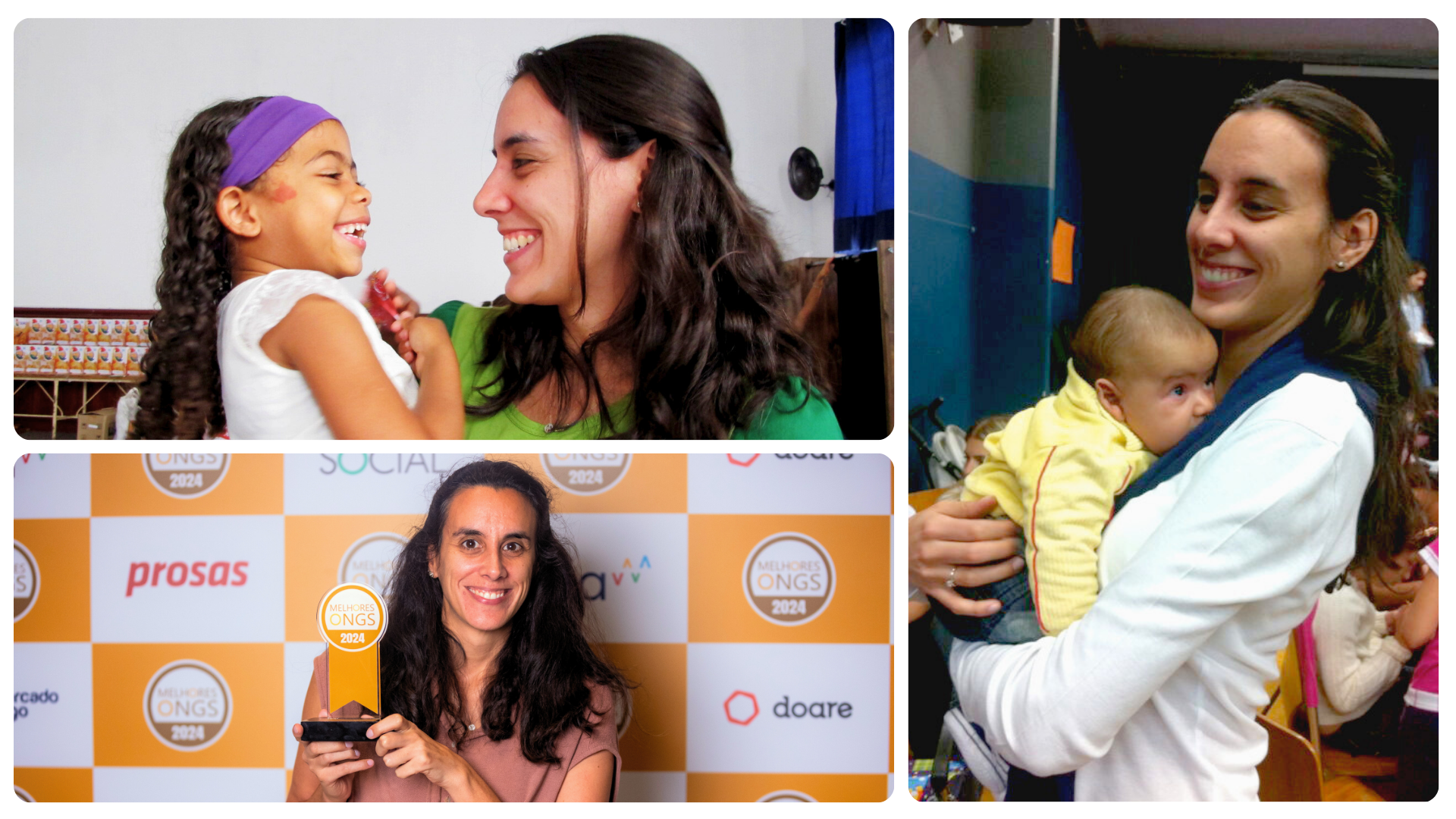
Looking back at everything Instituto C has built sparks deep pride—especially for those who planted the first seed. Vera Oliveira, founder and executive director of IC, recalls with emotion the day she opened the doors of the garage and took the first step toward turning her dream into reality.
She remembers having her family and close friends by her side—people who had listened to her doubts throughout the process:
“It was very special to see so many important people gathered there, believing in a dream, and I was genuinely happy about the start of a new path that represented the fulfillment of a project that came from the heart… I had no idea where it would lead, but it was enough to know I was contributing to a better world,” she says.
Today, she reflects on how this journey has also transformed her own life:
“I was just a girl when Instituto C began, and today I have my own family, a new perspective on the Institute, and it truly feels like a dream that becomes more possible every day,” Vera reflects.
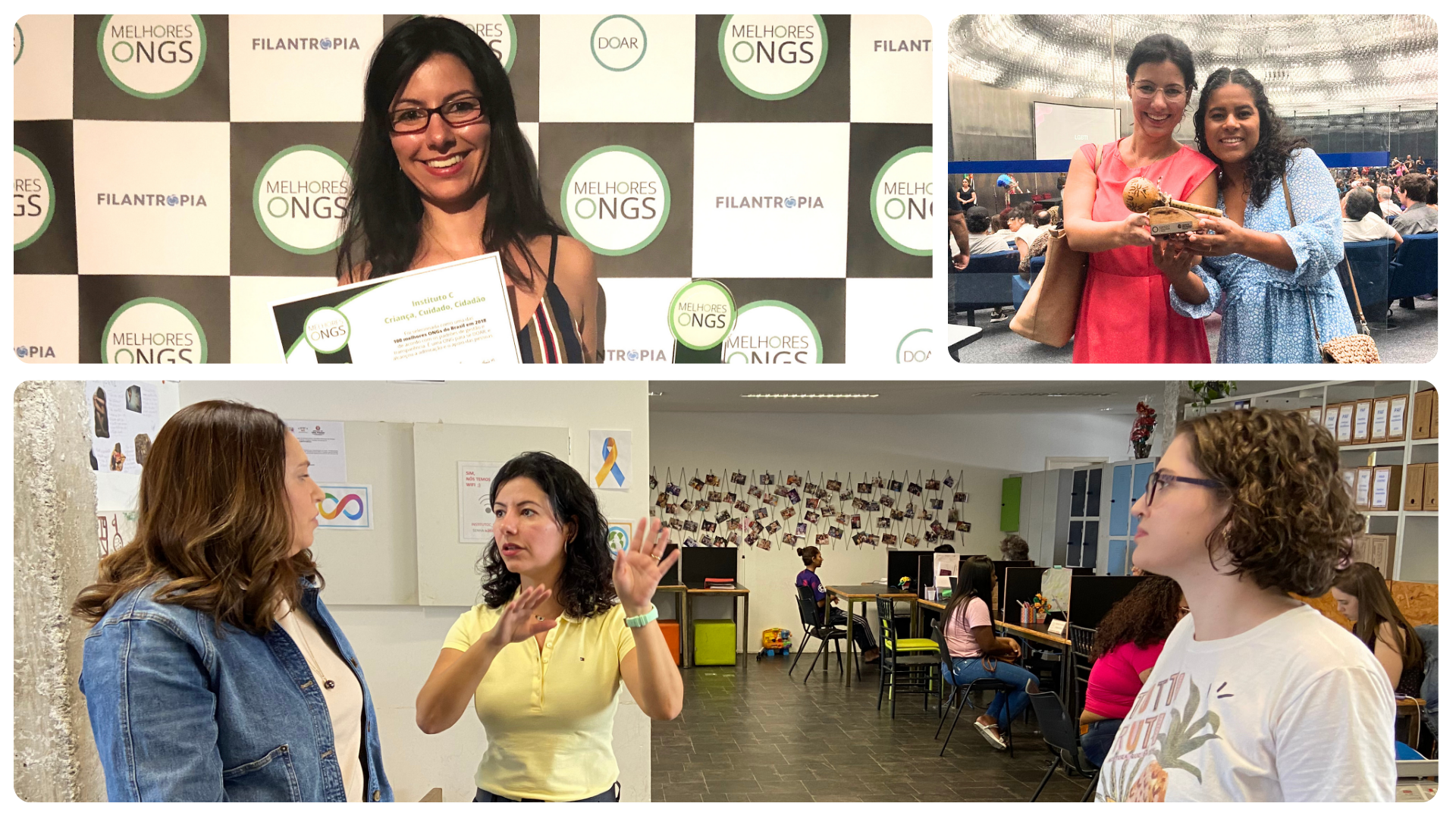
For her, choosing a single meaningful moment from these 14 years is nearly impossible. Among the milestones she holds dearly are the move to the headquarters in Vila Buarque, the first time Instituto C received the Best NGOs award, and the expansion to the North Zone of São Paulo. Each of these achievements strengthened the IC mission and expanded access to care in territories that still struggle to access public policies.
A path built by those who practice comprehensive care
Many of the transformations over the years are reflected in Instituto C’s methodology. For those who work daily in direct service, there is something that has never changed: the focus on development, the commitment to network collaboration, and the approach centered on active listening. These pillars placed IC among the 100 best NGOs in Brazil for eight consecutive years.
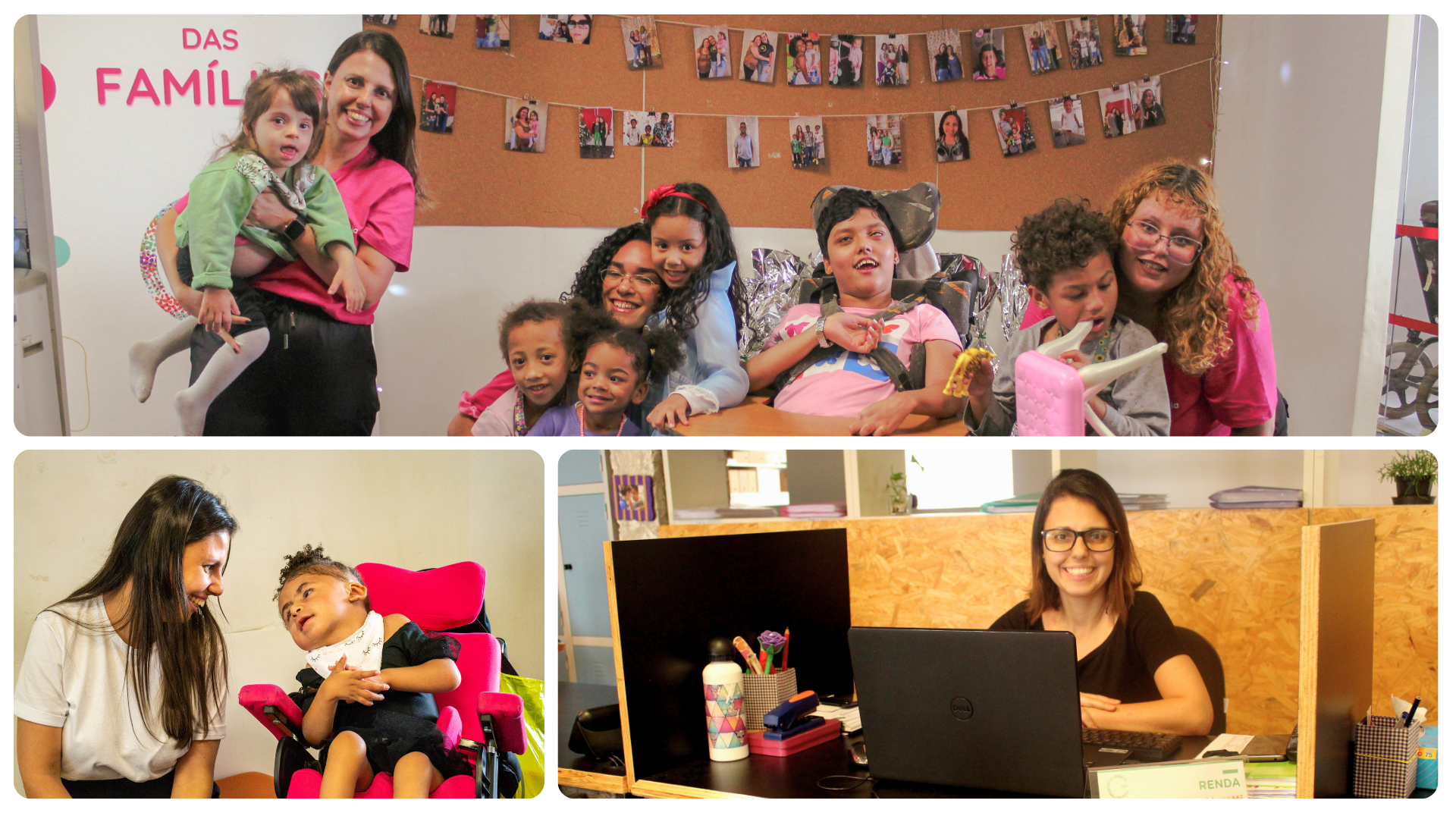
Kátia Moretti is an example of someone who grew professionally within the Institute. She joined as a psychology intern in the income generation program and today is the project manager, leading the technical teams across the centers. For her, many moments have impacted her over nine years at IC, but the closing group sessions—when families complete their program—are always the most emotional:
“Those moments show the real impact of our work on the lives of each person who spent time with us,” she says.
Instituto C has a multidisciplinary team dedicated to welcoming each family’s story uniquely, as it should be, so that they can reach autonomy. Kátia says this individualized care is what touches her the most—whether in interactions with families or within the technical team. It’s no coincidence that the “C” in our name also stands for care.
Stories that intertwine with Instituto C
Flávia Almeida, administrative coordinator, is another person whose growth mirrors the Institute’s own evolution. For her, Instituto C is a transformative and fulfilling place to work. Having been part of the team since her internship, she says the experience has allowed her to better understand the vulnerabilities present in society—especially in the lives of children living with chronic illnesses and of neurodivergent mothers.
After so many years observing the organization’s development, Flávia’s eyes still light up when she talks about her journey. “I joined as a girl and today I’m a woman with many responsibilities, leading a team of very different people. Every day I learn more, I mature more, and I become more aware of the space I occupy at IC,” she says.
She notes that the impact of this journey extends far beyond her professional life. The work she does and the relationships she builds daily have deeply shaped her personal life as well. Without realizing it, Instituto C became intertwined with her story. During her years here, she got married, bought a home, bought a car, and became a mother—able now to provide her daughter with a better life. Each of these achievements carries the mark of a place that has become so meaningful.
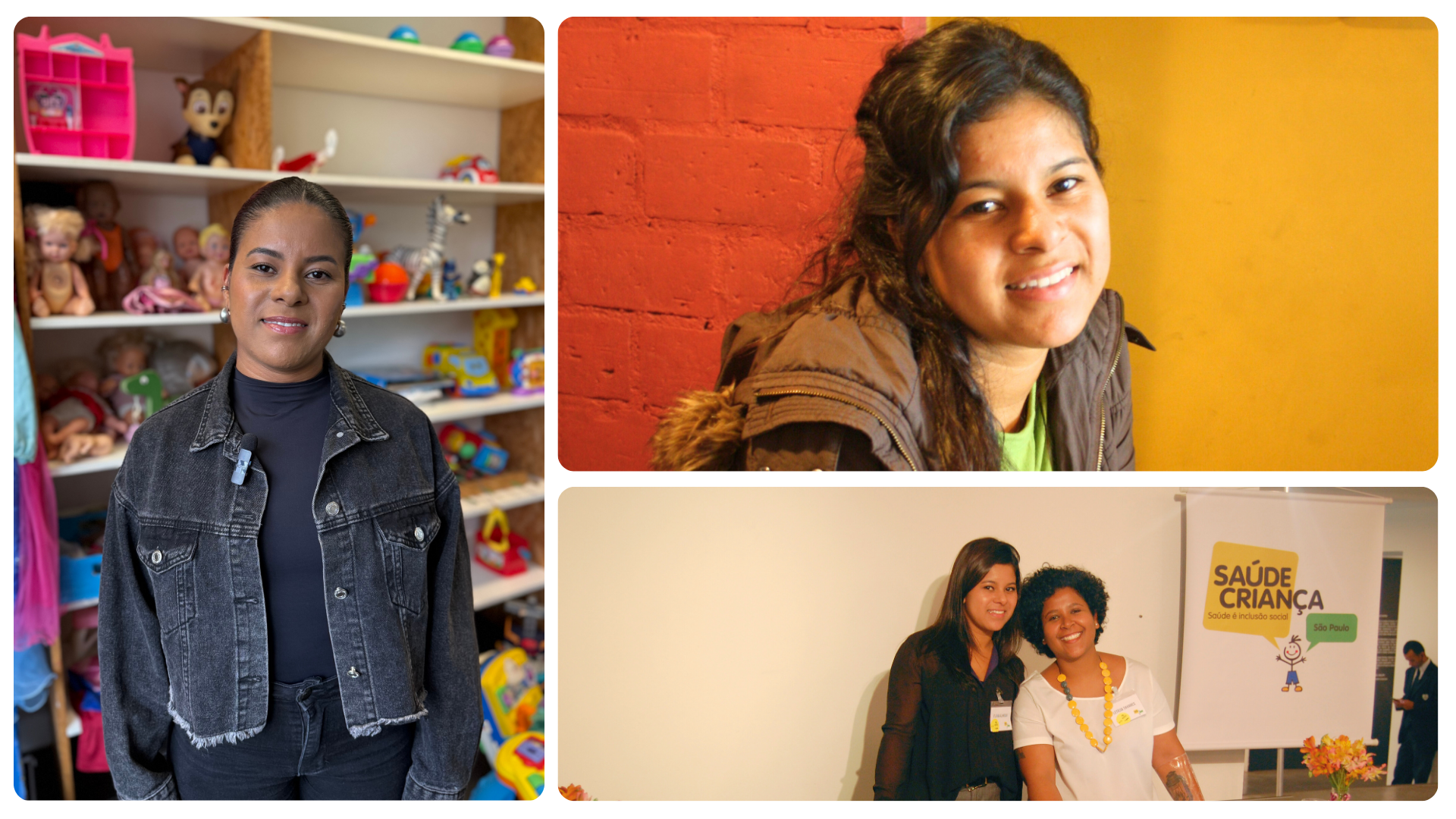
Paloma Costa, institutional relations manager, also highlights many personal milestones since joining the Institute, where she found stability and growth. She shares that the expansion to the North Zone was an especially happy and symbolic moment. Raised in Brasilândia—the region where our center is located—by a single mother who worked tirelessly to raise three children with dignity, Paloma felt this moment deeply.
“Being part of Instituto C’s arrival in Brasilândia meant so much. It felt like giving back to my community the kind of care my mother and so many other women never had access to,” she recalls.
She reflects on how essential a support network like IC is for so many families—and how the absence of such a network shaped her mother’s life when she and her siblings were children. “There was no space like Instituto C, a place that welcomes, guides, and supports women in their many journeys. Watching my mother face everything almost alone left deep marks on me and shaped what I believe social transformation truly is,” she shares.
The future we continue dreaming together
Much has changed—and much will continue to change—but on anniversaries like this, our hopes are renewed and a path full of possibilities becomes visible. For Vera, the wish for the coming years is that Instituto C continues to strengthen its role within the social assistance field, becoming a leading reference in intersectoral work and in a holistic, person-centered approach as a real strategy to fight poverty.
Kátia hopes the Institute can reach even more families and impact more lives, by strengthening existing centers and expanding into new territories. Her wish is that we continue supporting families toward long-term autonomy, transforming realities in a sustainable way. Flávia shares the same hope, wishing for continuous growth and improvement of IC’s practices to generate more social impact.
Paloma adds:
“My greatest wish is for this work to reach many more families, with a financially sustainable model, and that, just like me, many people may have the chance to achieve their dreams.”
As it completes 14 years, Instituto C reaffirms its commitment to comprehensive care, family strengthening, and building sustainable pathways out of poverty.
We continue to believe that care transforms—and that, together, we can transform even more stories.